If you’ve spent any time sourcing a padel court from China, you already know how overwhelming it gets. Dozens of factories on Alibaba, all claiming to be the “best manufacturer,” all showing glossy photos of courts that may or may not have actually been built by them. I’ve been through this process — on behalf of clients across Europe, the Middle East, and Latin America — and I’m going to share what actually matters when evaluating a China padel court factory. Not the polished sales pitch. The questions that reveal whether you’re dealing with a real manufacturer or a middleman with a well-designed website.
This guide covers three things every serious buyer needs before placing an order: how to screen genuine China padel court factories, how to find the one that fits your specific project, and the low-price traps that have burned buyers who focused only on the bottom line. If you’re not yet sure whether you’re talking to a factory or a trader, start with our guide on the three types of China padel court supplier and our step-by-step manufacturer verification checklist.
Why Sourcing from a China Padel Court Factory Can Go Either Way
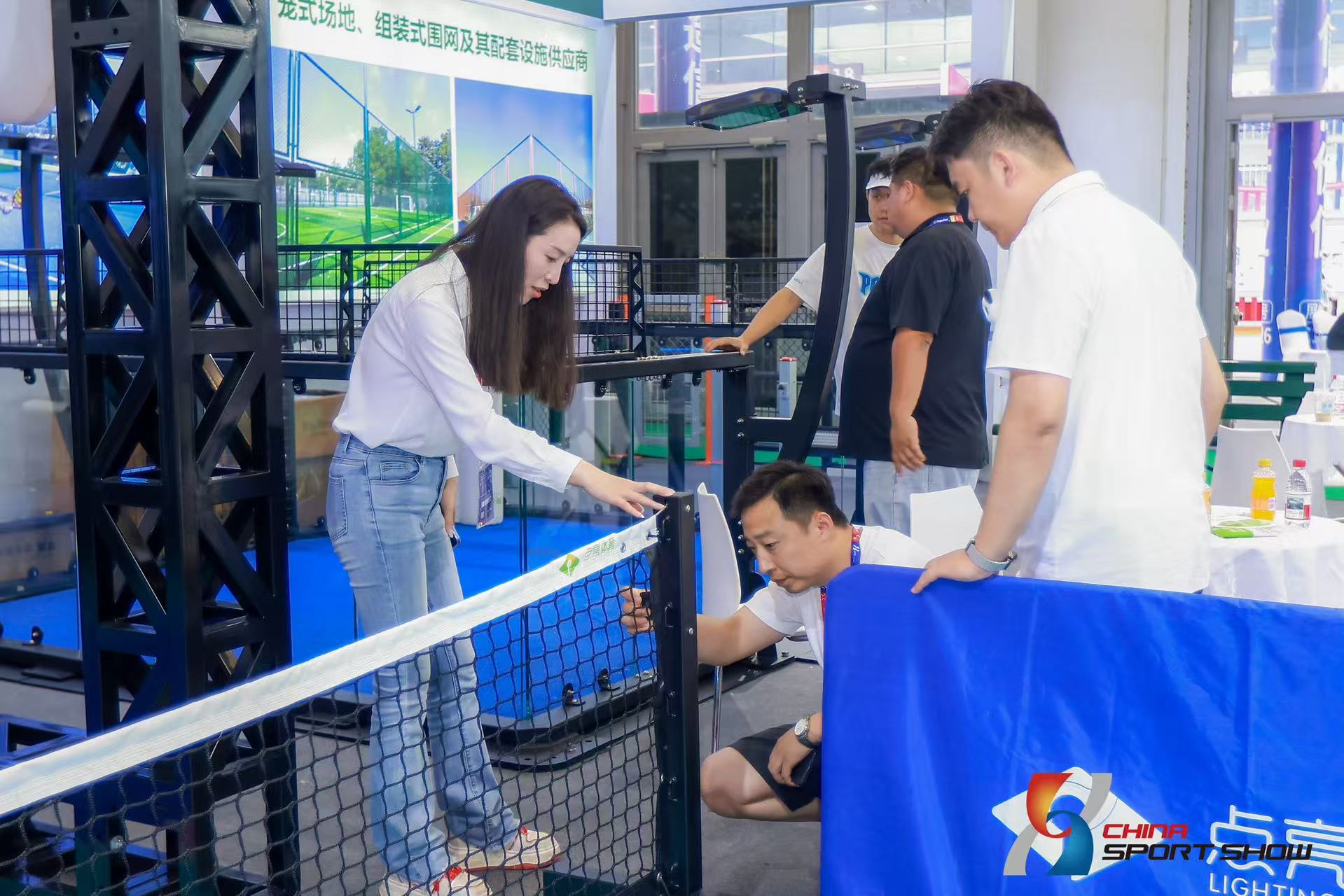
China is home to some of the best padel court manufacturers in the world. The steel infrastructure, glass tempering technology, and powder coating capacity are genuinely world-class at the top end. But the same ecosystem that produces excellent courts also enables a flood of low-quality suppliers who have mastered looking credible online.
The padel industry exploded after 2020. Demand outpaced supply in Europe, and hundreds of new “factories” appeared in China almost overnight. Many are trading companies, not manufacturers. Some are real factories but don’t meet international standards. A smaller number are genuinely excellent. Your job is to sort them out before you wire a deposit — not after the container arrives.
Section 1: How to Screen a Quality China Padel Court Factory
Start With Certifications — But Verify Every One
Any reputable China padel manufacturer should be able to provide documentation for their steel, glass, and hardware without hesitation. Ask specifically for:
- ISO 9001 quality management certification
- CE marking documentation (for European market sales)
- SGS, BV, or Intertek third-party test reports for glass impact resistance
- Steel mill certificates confirming grade (Q235B or Q345B at minimum)
Here is the catch most buyers miss: certifications can be faked or borrowed from a parent company or related entity. Always cross-reference the certificate number directly with the issuing body’s online verification database. If a factory pushes back on this simple request, you have learned something important about how they will handle disputes later.
Verify the Factory Is Actually a Factory
This sounds obvious. It is where most first-time buyers get caught. A trading company can have a stunning website, professional 3D renderings, and a physical showroom. What they cannot show you is a production floor on an unscheduled video call.
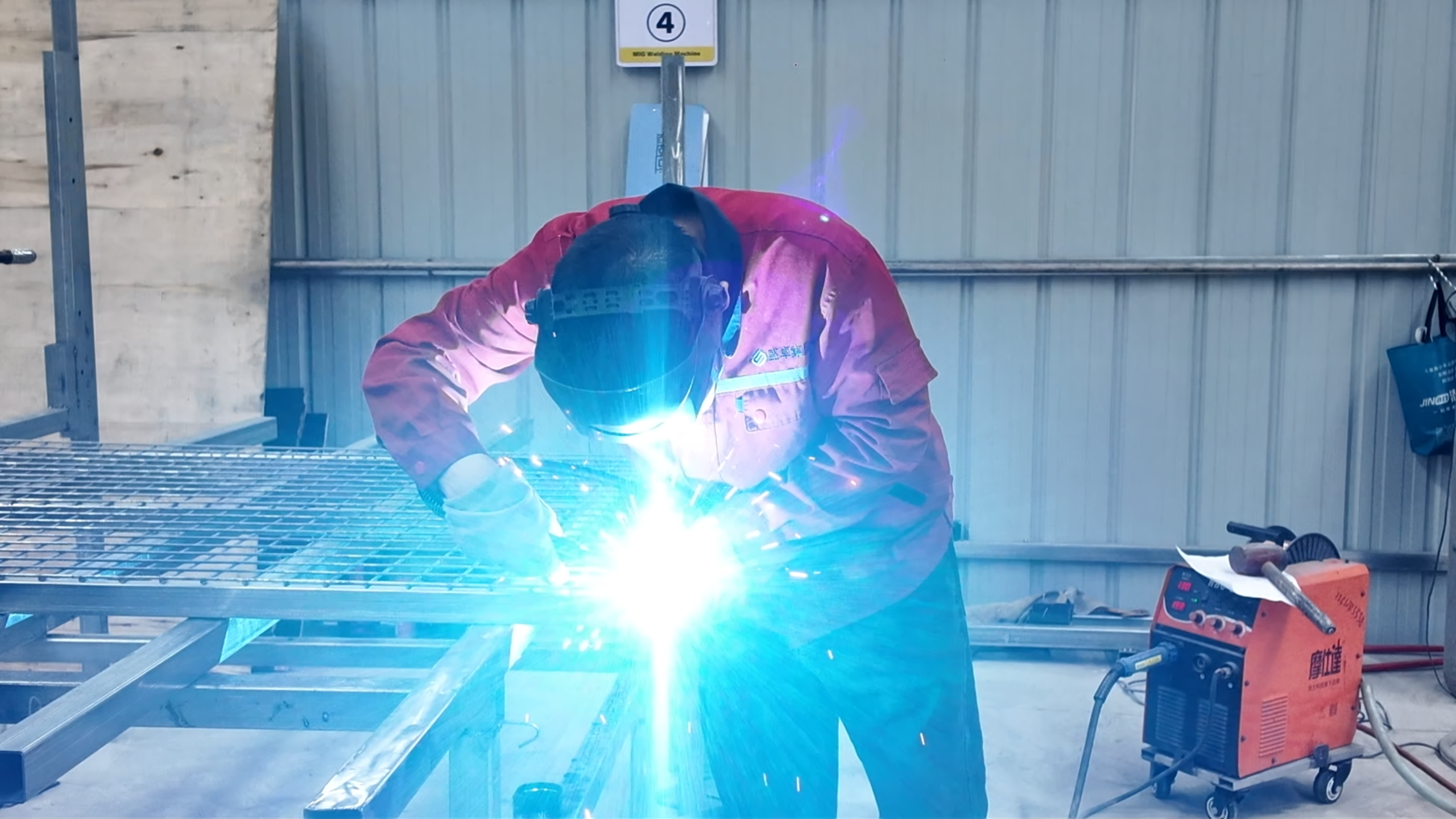
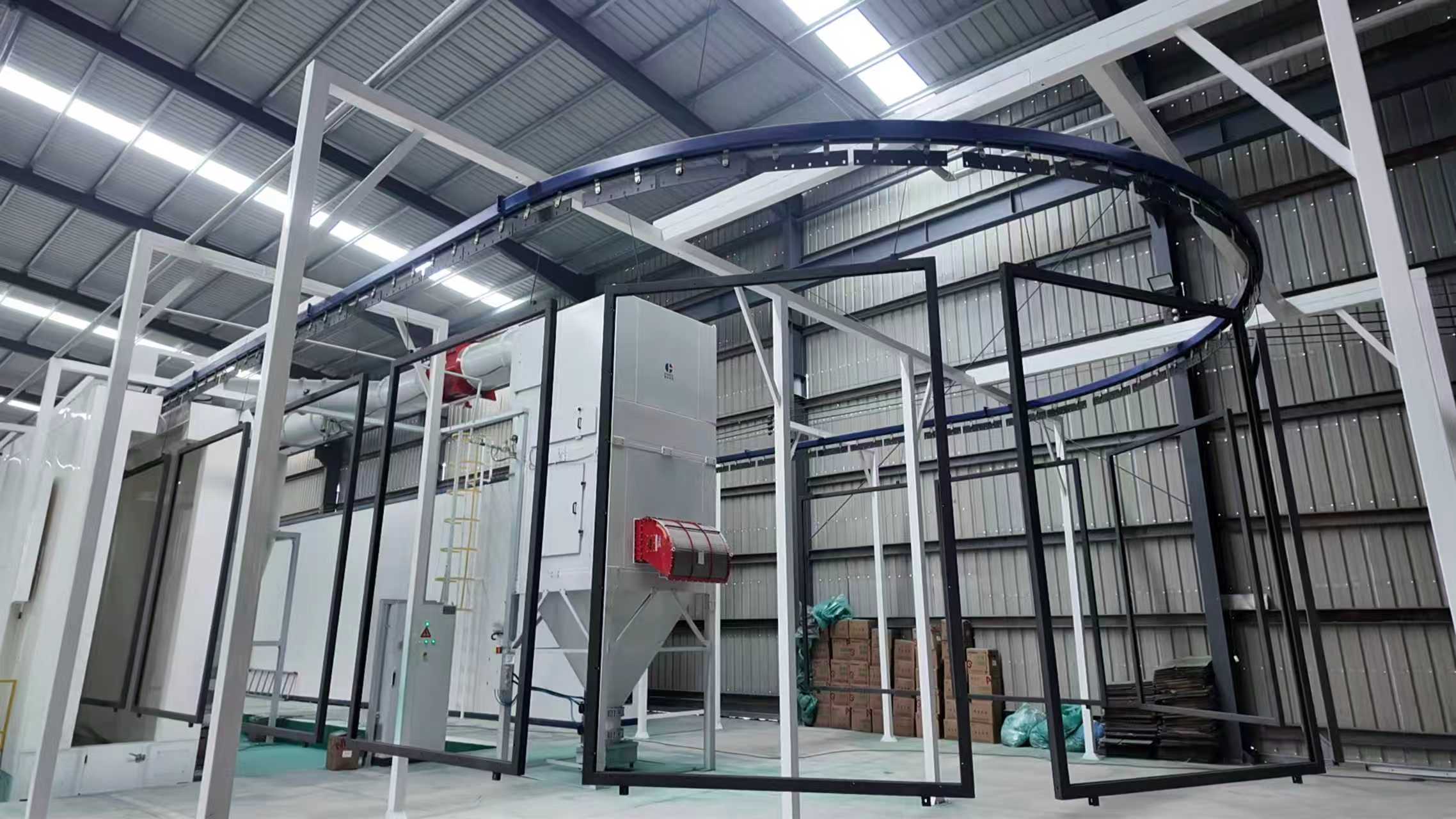
Request a live factory video tour — not a pre-recorded video, not a photo album. Schedule it with 24 hours’ notice if possible, or try to arrange it without notice. Walk through the steel welding area, the glass tempering furnace, and the powder coating line. If any of those do not exist on-site, you are dealing with a middleman. There is nothing wrong with working through a trading company if you know that is what you are doing — but the pricing and accountability structure should reflect it.
Also request a copy of the company’s Chinese business license (营业执照). The registered business scope should include manufacturing (制造), not just trading (贸易). Cross-check the company name against the address on any factory photos they send.
Ask for Installed Project References You Can Actually Contact
Any China padel factory worth considering should have a verifiable list of international installations. Do not just review their website gallery. Ask for contact details of past clients in your region or a comparable market. A five-minute phone call with someone who has received and installed courts from that factory will tell you more than two hours of email negotiation with a sales representative.
Pay close attention to how factories respond to this request. Hesitation, vague answers like “we have many clients but cannot share contacts,” or references that cannot be independently verified are meaningful signals.
Section 2: How to Find the Right China Padel Court Factory for Your Project
Define Your Technical Specifications Before You Reach Out
One of the costliest sourcing mistakes is approaching factories without a written specification sheet. When you leave the details open, factories will default to their cheapest option while implying it meets your requirements. The 国際パデル連盟(FIP) publishes the baseline standards for court dimensions, glass, turf, and lighting — use them as your reference point. Before contacting any China padel court factory, get specific about:
- Steel tube outer dimensions and wall thickness for primary and secondary structure
- Glass type, thickness (10mm or 12mm), and whether laminated or single-pane
- Court configuration (panoramic, indoor, outdoor, with or without roof structure)
- Artificial turf specification — pile height, fiber type, infill material
- LED lighting — lux level at court surface, pole height, fixture IP rating
- Container packing — how many complete courts fit in a 40HQ container
When you send a factory a detailed specification document, their response is revealing. A serious manufacturer will come back with technical questions, may flag specs that are inconsistent with each other, and will offer alternatives with clear reasoning. A less serious one will say yes to everything immediately. Our padel court supplier RFQ guide includes a ready-to-use specification framework.
Evaluate Communication Quality and Technical Depth
You are entering a relationship that spans months — from order placement through production, shipping, installation, and potential warranty claims. How a factory communicates during the sales phase is your clearest preview of how they will communicate when something goes wrong at 3 a.m. local time on an installation deadline.
Test their technical depth with specific questions: What is the minimum wall thickness on your primary frame tubes? What tempering standard does your glass meet? How thick is the powder coating applied, and what is the adhesion test result? If answers require multiple transfers, take more than 24 hours, or are vague, factor that into your decision.
Understand Lead Times and After-Sales Support
Padel court production lead times from China range from 35 to 90 days depending on factory capacity, customization level, and shipping schedule. Any factory promising a two-week turnaround on a custom order is either pulling old stock that may not match your spec or is not being honest about timelines.
More importantly, define what happens after the courts arrive. Do they provide installation drawings and manuals in your language? Is there technical support available by phone or video if your installation team hits an issue? For large orders, do they offer on-site supervision? These are not luxury extras — for first-time buyers, they are risk management. Budget planning should also account for freight, duties, and site work: see our full China padel court cost breakdown for the complete landed-cost model.
Section 3: Low-Price Traps — What Cheap China Padel Courts Are Really Hiding
Price is the most effective lever low-quality suppliers use to win business. When a China padel factory quotes 25 to 35 percent below market rate, there is always a reason. Here is where the corners get cut — and how to spot each one before you commit.
Trap 1: Thin Steel Tubing That Fails Under Load
The structural integrity of a padel court depends entirely on the steel frame. Reputable manufacturers use primary structural tubes with wall thickness of 3mm to 4mm. Low-cost factories routinely use 1.5mm or 2mm tubes — often listed as 3mm in the quotation. The visual difference is nearly undetectable after powder coating. The structural difference becomes visible over time: frames that flex under wind load, welds that crack at stress points, and tubes that rust from the inside out because thin walls trap condensation.
Insist on a steel mill certificate for every structural grade used, and specify that your pre-shipment inspection will include caliper measurement of wall thickness across a sample of tubes. A factory that objects to this clause is telling you something.
Trap 2: Substandard Tempered Glass
Padel court glass absorbs repeated high-velocity ball impacts. Glass that has not been properly tempered does not shatter safely — it breaks into large, sharp fragments rather than the small, blunt pieces that proper safety glass produces. This is not a performance issue. It is a liability issue that can end someone’s season or worse.
Some factories use glass processed at incorrect temperatures or with inconsistent tempering cycles. Others substitute glass below the quoted thickness to reduce material costs. Ask for test reports certified to EN 12150 (for thermally toughened glass) or EN 14449 (for laminated safety glass) from an accredited laboratory. If a factory cannot produce these, their glass is not verified to European safety standards — full stop.
Trap 3: Surface and Hardware Substitution
Artificial turf is a common substitution target. A quote might specify 12mm pile padel-specific turf, but the shipment arrives with cheaper multi-sport grass that plays differently and wears out in half the time. The same substitution happens with hinges, door locking mechanisms, net posts, and tension systems — items easy to swap without the buyer noticing until months after installation.
Specify minimum technical standards or named brands for every component in your purchase contract. If a factory pushes back on this with “we use equivalent quality,” ask for samples of the actual components before production begins. If they cannot provide samples, you cannot verify what you will receive.
Trap 4: No Warranty or After-Sales Support
A factory offering no written warranty, or one phrased as “we will help if problems arise,” is not planning to support you after the container departs. Standard terms from serious manufacturers cover structural components for two to five years and glass against manufacturing defects for one to two years. Get the warranty terms in English, in writing, before signing any contract.
Understand the claims process in detail: who do you contact, what documentation is required, and how are replacement parts shipped. A factory that cannot answer these questions clearly has not thought through the after-sales process because they do not expect to be doing much of it.
Quality vs. Low-Cost China Padel Court Factories: Comparison Table
| 基準 | Reputable China Padel Manufacturer | Low-Cost Supplier |
|---|---|---|
| Steel tube wall thickness | 3–4mm, verified by mill certificate | 1.5–2mm, frequently mislabeled |
| Glass certification | EN 12150 / EN 14449, accredited lab | No third-party test report available |
| Factory verification | Live unscheduled video tour available | Pre-recorded video only or refused |
| Installed references | Verifiable international client contacts | Vague, website-only, or unverifiable |
| Warranty terms | 2–5 years structural, written contract | Verbal only, vague wording, or none |
| Turf specification | Padel-specific, certified, branded | Generic multi-sport substitute |
| アフターサービス | Dedicated technical team, documented process | No dedicated contact post-delivery |
| 出荷前検査 | Third-party inspection welcomed | Access restricted or refused |
| Price range per court (FOB) | $8,000–$15,000 USD | $3,500–$6,000 USD |
For a spec-by-spec look at how a premium China padel court factory compares against Spanish brands like MejorSet on identical materials, see our MejorSet alternative verification guide そして、その China vs Spain factory-level comparison.
よくある質問
-
Is it safe to buy a padel court directly from a China padel court factory?
Yes, with proper due diligence. Buying directly from a verified manufacturer in China can reduce costs by 30 to 50 percent compared to purchasing through a regional distributor. The risk is concentrated in buyers who skip verification steps and choose on price alone. For first-time orders, consider hiring a sourcing agent or third-party inspection company to manage factory verification and pre-shipment quality checks.
-
What certifications should a China padel court manufacturer have?
At minimum, look for ISO 9001 quality management certification, CE marking documentation for European market sales, and third-party glass test reports to EN 12150 or EN 14449. Steel mill certificates confirming the grade of structural steel are also standard from serious manufacturers. Facilities that regularly export to Europe should have all of these on file and be able to share them quickly.
-
How do I make sure I receive exactly what I ordered?
Specify everything in the purchase contract — steel wall thickness with measurement tolerance, glass type and certification standard, turf pile height and fiber brand, hardware specifications by model or technical standard. Hire an independent inspection company (SGS, Bureau Veritas, Intertek) to conduct a pre-shipment inspection. This is not expensive relative to the order value and removes ambiguity before the goods leave China.
-
What is a realistic price for a quality padel court from China?
A panoramic outdoor padel court from a reputable China padel manufacturer — including tempered glass, certified turf, LED lighting, and standard hardware — typically ranges from $8,000 to $15,000 USD FOB Chinese port. Courts priced well below this range require careful scrutiny of where the cost savings come from before you commit.
-
How long does the full process take from order to installation?
Allow for a production lead time of 35 to 60 days for custom orders, plus 25 to 40 days for sea freight from major Chinese ports to European or Middle Eastern destinations, plus inland transit and installation time. A realistic total sourcing-to-operational timeline is three to five months. Factories promising faster delivery without a clear explanation of how should be questioned.
-
Should I use a sourcing agent when buying from a China padel factory?
For buyers placing their first order from China, a reputable sourcing agent adds meaningful value. They can verify factory credentials in-person, negotiate contract terms, manage communication across time zones, and coordinate pre-shipment inspection. Their fees are typically 3 to 8 percent of order value — a worthwhile cost against the risk of receiving non-compliant products on a large order.
Final Thoughts
The padel court market is expanding rapidly, and so is the number of suppliers claiming to serve it. The difference between a reliable China padel court factory and a problematic one is not always visible in the product catalog or the first quotation. It shows up in how they answer specific technical questions, what they are willing to commit to in writing, and what the buyers before you report when you call them directly.
Spend the time to verify before you commit. The savings from choosing a trustworthy manufacturer over a cheap alternative are not just financial — they are the installation delays you avoid, the client relationships you protect, and the courts that will still be standing and playing correctly five years from now.
Want to go deeper? See our related guides: the complete padel court cost and ROI breakdown, how to read a padel court technical specification sheet, 、および comparing panoramic vs. classic padel court designs for different markets.