スペイン語と中国語をめぐる議論 パデルコートのメーカー この話題については、光よりも熱を帯びた議論が繰り広げられている――その主な理由は、このテーマに関するコンテンツのほとんどが、自社の原産地を品質の指標としてアピールしようとするメーカーによって書かれているからだ。本ガイドでは、それとは異なるアプローチを採用している。つまり、購入者の成果を実際に左右する6つの側面について、体系的かつ証拠に基づいた比較を行っている。.
率直に申し上げますと、PanoCourtは中国の工場です。 また、スペインのメーカーが真に優位性を持つ分野、その優位性が単なるマーケティング上の宣伝文句に過ぎない分野、そして中国のメーカーが客観的に優位な立場にある分野についても、正直にお伝えします。$50,000~$300,000規模の調達決定を行うバイヤーには、売り込み話ではなく、冷静な分析が求められるのです。.
パデルコート製造国ランキング上位2カ国
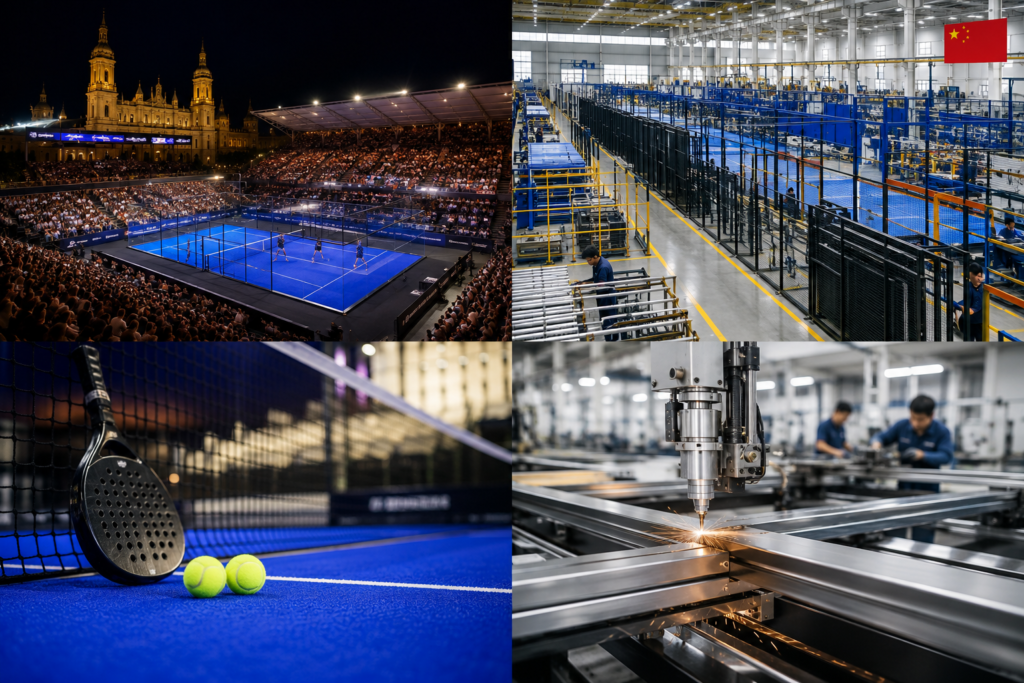
スペインは(アルゼンチン発祥のパデルを発展させて)現代のパデルを生み出し、1990年代から2015年頃にかけて世界のパデルコート製造市場を席巻しました。この期間、スペインのブランド(MejorSet、AFP、PADEL10、Jubopadel)が 技術基準 業界が評価の基準としている企業であり、真の革新と品質面でのリーダーシップを通じて、トーナメント用品の供給業者としての実績を築き上げた。.
2015年から2020年にかけて、中国のパデルコート製造は有力な選択肢として台頭した。当初は価格に敏感な新興市場向けだったが、中国の工場の生産能力が向上するにつれて、品質を重視する購入者層にも徐々に受け入れられるようになった。2026年までに、市場情勢は変化し、中国の主要メーカーは パデルコートのメーカー 欧州の中堅ブランドの技術仕様を満たす、あるいはそれを上回るシステムを、35~45%低いFOB価格で生産しています。もはや「中国製か欧州製か」という問題ではなく、「どのメーカーが自分のプロジェクトに最適な成果をもたらしてくれるか」が問われているのです。“
スペインの「Clear PADEL COURT」製造における強み
次元1:トーナメントの参加資格
この点は、スペインが持つ最も強力かつ正当な強みです。MejorSetは、プレミア・パデル(Premier Padel)およびFIPの公式コートとして認定されています。これらの認定は本物であり、検証可能であり、公認のプロ大会を施設で開催する購入者にとって大きな意味を持ちます。 Portico Sportは、「ジェネラリ・ヘキサゴン・カップ2026」の公式コートです。PADEL10は、4年連続で「ワールド・パデル・ツアー」の公式サプライヤーを務めました。こうした提携により、以下のメリットがもたらされます:
- 最高レベルの競技会における審判の質が検証済み
- FIP/プレミア・パデル大会の開催資格
- 世界中の熱心なパデルプレイヤーの間でのブランド認知度
率直な評価
トーナメント認定基準を満たすのは、世界中のパデルコートの0.5%未満に過ぎません。残りの99.5%は、クラブ、リゾート、自治体、住宅地にあるコートであり、そこでの基準はFIPの寸法基準への準拠、構造の品質、耐久性、および総コストです。これらはすべて、中国のメーカーが提供できるものです。 スペインのメーカーは、トーナメント以外の購入者に対して、トーナメントの威信を価格を正当化するストーリーとして利用している。このストーリーには感情的な共鳴はあるものの、実用的な意義は限定的である。.
結論:大会での実績という点ではスペインが勝っている。大会以外の要素を重視する購入者にとっては、この点は購入の判断には関係がない。.
第2の側面:工学基準と技術革新
スペインの歴史的なリーダーシップ
スペインのメーカーは、業界全体で採用された数々の真の革新を牽引してきました。その例として、MejorSet社の「Shock Lock」ガラス固定システム、Portico Sport社の「連続周縁ゴムシール」、AFP社の「可変剛性フレーム最適化」などが挙げられます。これらの革新は、世界中のコートの品質を向上させた、真の技術的貢献です。.
中国の追い上げと台頭するリーダーシップ
中国語 パデルコートのメーカー スペインの技術革新を取り入れており、一部の分野では現在、主導的な立場にある:
- 製造プロセス技術: 大規模なCNCプラズマ切断、ロボット溶接、および自動亜鉛めっきの生産ラインは、生産量において、スペインのほとんどのメーカーが達成している水準を上回っている。
- カスタマイズ機能: 中国の工場では、非標準の寸法、色、構成の製品を4~6週間のリードタイムで生産可能ですが、スペインのメーカーの場合、プレミアムモデルのビジネスモデル上、カスタマイズには時間がかかり、コストも高くなります。
- 気候工学: 中国のメーカーは、スペインのブランドよりも多様な輸出実績(60~100カ国以上)を有している。一方、スペインのブランドは欧州市場を主軸としているため、熱帯気候、地震多発地域、砂漠気候に関する技術データが限られている。
結論:レガシーイノベーションの分野ではスペインがリードしている。製造プロセス技術と気候工学の幅広さでは中国がリードしている。ほとんどの購入者にとって、重要な仕様レベルにおいて、この側面は互角である。.
第3の側面:材料の品質と仕様
率直な比較
仕様が同等である限り、中国製とスペイン製の裁判用資材の品質は同程度である。中国およびスペインのトップクラスのメーカーはいずれも、以下のものを使用している:
- EN 10025に準拠したS355構造用鋼
- EN ISO 1461に準拠した溶融亜鉛めっき(85µm以上)
- EN 12150-1に準拠した12mmの完全強化ガラス
- UV安定化処理を施したFIP規格の人工芝
最大の違いは、各ティア内のばらつきにあります。スペインのトップブランドは、プレミアム市場での位置づけ上、資材のコスト削減が許されないため、一貫して高仕様のコートを提供しています。一方、中国のパデルコート製造業界には、世界クラスの工場から、明らかに品質の低い製品を取り扱う純粋な商社まで、あらゆるタイプの企業が存在します。 中国のティアはより不均一であるため、見込みのあるサプライヤーがどのティアに属しているかを特定するには、工場監査が不可欠である。.
結論:両産地から、同等の仕様を持つ製品が入手可能です。中国製品の方がばらつきのリスクが高いため、中国メーカーからの調達においては、工場監査が必須となります。同等の仕様を満たし、工場監査を受けた中国メーカーの製品は、長期的な性能において、同等のスペイン製製品と遜色ありません。.
第4の側面:総着陸コスト
データ
ラテンアメリカの購入者(エクアドル、コロンビア、ペルー)が6個注文する場合 パノラマ式パデルコート:
| 原価要素 | スペイン(MejorSet/AFPクラス) | 中国(PanoCourt/同等の製品) | 違い |
|---|---|---|---|
| FOB価格(6面) | 168,000ユーロ~252,000ユーロ | $117,000~$156,000 | -35 ~ -45% |
| 貨物(ラテンアメリカの港向け) | $12,000~$18,000(28~35日) | $9,000~$13,000(18~22日) | -25 ~ -30% |
| 輸入関税(10–15%) | より高いCIF価格に基づいて算出 | より低いCIF価格に基づいて算出 | -$8,000~$16,000 |
| 総着陸コスト | $270,000~$380,000 | $175,000~$235,000 | -$95,000–$145,000 |
| コートごとの節約額 | — | — | $16,000~$24,000/コート |
6コートの施設において、$95,000~$145,000という総着陸コストの差は、プロジェクトの経済性に人生を変えるほどの影響を与える可能性があります。 ラテンアメリカにおける一般的なコートレンタル料金が$18~$25/時間、稼働率が70%である場合、この節約額は4~8ヶ月分の追加EBITDAに相当します。.
結論:欧州以外の買い手にとって、総着荷コストの面では中国が圧倒的に優位である。この差は構造的かつ持続的なものであり、製造コスト、賃金水準、サプライチェーンの地理的要因によって生じているものであり、排除可能なマーケティング要因によるものではない。.
第5の側面:物流とリードタイム
配送時間の比較
欧州以外の市場において、中国の地理的なサプライチェーン上の優位性は現実的かつ極めて大きい。
- スペインからコロンビアへ: 28~35日間の海上輸送(大西洋ルート)
- 中国からコロンビアへ: 18~22日(ブエナベンチュラ行きの太平洋ルート)
- スペインからインドネシアへ: 28~35日(スエズ/インド洋)
- 中国からインドネシアへ: 7~10日(南シナ海直行便)
- スペインからUAEへ: 18~22日間(地中海/スエズ)
- 中国からUAEへ: 18~25日(インド洋経由の場合と同程度の所要日数)
納期面での優位性は、収益の早期化とプロジェクトの資金調達コストの削減につながります。生産リードタイムはほぼ同等です(標準モデルの場合、スペインと中国のメーカーともに6~8週間)。.
結論:アジアおよび太平洋市場への物流面では、中国が圧倒的な差をつけて優位に立っている。欧州域内の輸送においては、EUのバイヤー向けにはスペインのブランドが優位にある。中東向けの輸送については、ほぼ互角である。.
第6の次元: アフターサービス および交換用部品
欧州市場におけるスペインの真の強み
欧州内では、スペインのメーカー各社が、現地語によるサポート、地域ごとの部品在庫、場合によっては現地での保証サービスを提供する販売代理店ネットワークを構築しています。フランスやドイツのクラブ運営者にとって、こうした地理的な近さと言語の共通性は、実用的な価値を大いに発揮します。例えば、ガラスパネルが破損した場合でも、数週間ではなく数日で地域の在庫から交換することが可能です。.
欧州以外:優位性が失われる
西ヨーロッパ以外の購入者にとって、スペインのメーカーのアフターサービス体制は、基本的に中国のメーカーのそれと変わらない。どちらもスペアパーツの国際配送が必要であり、どちらもヨーロッパのタイムゾーンで業務を行っており、どちらも現地の設置パートナーに依存している。スペインのブランドが謳う「優れたサポート」という主張は、主に自国のヨーロッパ市場に限った話である。.
中国を代表する パデルコートのメーカー 地域ごとのサポート体制を段階的に整備してきました。具体的には、ラテンアメリカの設置パートナー、地域ごとの流通拠点における予備部品の在庫確保、そして設置業者にリアルタイムのサポートを提供するスペイン語対応のWhatsAppサポートチャネルなどです。PanoCourtによるラテンアメリカへの予備部品の発送は、注文から3~5週間かかります。これは、スペインのメーカーが欧州の非主要市場へ部品を発送する際の納期と同程度です。.
結論:西ヨーロッパではスペインが優勢である。ヨーロッパ以外では、同等の品質を持ち、地域にインフラを整備している中国メーカーとの差はごくわずかである。.
スコアカード概要:非欧州のバイヤーを対象としたスペイン対中国
| 次元 | スペインの強み | 中国の強み | EU域外の購入者に対する裁定 |
|---|---|---|---|
| トーナメントの権威 | 強い | なし | 99.5%のプロジェクトには関係ありません |
| 技術基準 | 従来のリーダーシップ | プロセス技術 | 仕様レベルで描画する |
| 素材の品質 | 分散が小さい | 同等の仕様におけるコスト効率 | 工場監査の結果、中国が勝利を収めた |
| 総着陸コスト | なし | $16,000~$24,000/コート | 中国が圧勝した |
| 物流のスピード | なし(ほとんどの市場において) | アジア・ラテンアメリカへの輸送時間が短縮 | 中国、太平洋市場で勝利を収める |
| アフターサービス | ヨーロッパのみ | 地域ごとの改善 | 西ヨーロッパ以外の地域での引き分け |
| 全体(EU域外の商業バイヤー) | 中国は金融のあらゆる側面で勝利を収めている |
調達デューデリジェンスの枠組みの全容については、以下をご覧ください: パデルコートのサプライヤーを評価する方法:2026年版 見積依頼(RFQ)およびデューデリジェンス完全ガイド.
スペインを選ぶべき時。中国を選ぶべき時。.
次のような場合は、スペインのメーカーを選びましょう:
- 貴施設では、プレミア・パデルまたはFIPワールド・パデル・ツアー公認の大会を開催することになります(公式コート要件)。
- 貴社のターゲット市場は西ヨーロッパであり、そこではスペインブランドの認知度がプレミアム会員にとって真の商業的価値を持っています。
- プロジェクトの予算に制限はなく、ブランドストーリーが主要なマーケティング戦略となっています
- あなたは、スペインの販売代理店によるサポート体制が最も整っている英国、フランス、ドイツ、またはベネルクス諸国にお住まいですね
次のような場合は、工場の監査を受けた中国のメーカーを選びましょう:
- 貴社のプロジェクトは、ラテンアメリカ、アジア、中東、またはアフリカで実施されるものですか(コストや物流の面では、構造的に中国が有利です)
- ROIと資本効率は、投資判断における主要な指標である
- 4面以上のコートを建設しています(建設規模が大きいため、プロジェクト全体としてはコート1面あたりのコスト削減効果が非常に大きくなります)。
- 貴施設は、レクリエーションおよびクラブ大会の分野(世界パデル市場の99%を占める)をターゲットとしています。
- 気候、耐震、または非標準の仕様に対応するための技術的なカスタマイズが必要です
世界各国の費用の内訳の詳細はこちらをご覧ください: 2026年のパデルコートの建設費:地域別・コート種別ごとの建設費の内訳.
スペイン語の候補リストと併せて、PanoCourtを評価してください
PanoCourtは他社製品との比較を歓迎します。スペインのメーカーからの見積書とともに、材料試験報告書、FIP準拠に関する書類、および参考となる連絡先を含む当社の技術仕様書一式をご請求ください。仕様は他社製品と比較可能です。その経済性は、言うまでもありません。.
よくある質問:スペインと中国のパデルコートメーカー比較
中国のパデルコートは、スペインのコートと同じ品質なのでしょうか?
同等の仕様(S355鋼、85µmの溶融亜鉛めっき、12mmの強化ガラス、FIPグレードの人工芝)において、中国を代表する パデルコートのメーカー スペイン製の同等品に匹敵する長期的な性能を備えたシステムを製造している。 主な違いは品質のばらつきにある。中国のパデルコート製造業界には、高品質な工場もあれば、品質の低い業者も存在するため、取引先がどちらに該当するかを確認するには工場監査が必要となる。監査を経て確認された、同等の仕様を持つ中国のメーカー製品は、性能の面でスペインの中堅ブランドと遜色ない。.
MejorSetは、中国のパデルコートメーカーよりも優れているのでしょうか?
MejorSetは、トーナメントの権威やFIP公認ステータスの点において、真に世界をリードするパデルコートブランドです。特に「プレミア・パデル」やFIP公認コートの資格を必要とする購入者にとって、MejorSetは市場をリードする存在です。 レクリエーションやクラブレベルの施設を建設する購入者の99.5%にとって、MejorSetのエンジニアリング品質は優れていますが、その価格プレミアム(同等の中国メーカーと比較して総着陸コストが35~45%高い)は、商業クラブでの利用において、それに比例した性能上の優位性によって裏付けられているわけではありません。 この割高な価格は、優れた構造的耐久性やプレーヤーの体験ではなく、威信とブランドストーリーを購入するものです。.
中国のパデルコートメーカーがスペインの品質水準に合わせるためには、どのような認証が必要ですか?
中国人にとって パデルコートのメーカー スペインの製造品質に明らかに匹敵するためには、以下が必要となります:ISO 9001:2015品質マネジメント認証、すべてのガラスパネルに関するEN 12150-1準拠証明書(または同等の国内規格)、 EN ISO 1461に基づく溶融亜鉛めっき試験報告書;FIP規格への準拠を証明する文書;および第三者機関による工場監査の確認書(SGS、ビューローベリタス、またはインターテック)。スペインのメーカーはこれらの証明書類を標準的に提供しています。この一連の文書を揃えることができない中国のメーカーは、スペインのトップクラスのメーカーと同列に比較すべきではありません。.
中国のパデルコートは、スペインのものに比べてどれくらい安いのでしょうか?
ラテンアメリカの購入者にとって、コート1面あたりの総着陸・設置コストは$16,000~$24,000の削減となり、これはコート1面あたりのプロジェクト総コストの30~40%に相当します。 6 コートの施設の場合、これは調達コストの総額で $96,000~$144,000 の節約に相当します。 アジアのバイヤーの場合も差額は同様ですが、欧州のバイヤーの場合は、EU 産品に対する関税上の優遇措置により、その差は 20~30% に縮小します。この差は、一時的な価格戦略によるものではなく、中国の製造コスト構造や非欧州市場へのサプライチェーンの近接性によって引き起こされており、持続的なものです。.
注文する前に、中国のパデルコート工場の品質を確認することはできますか?
はい、以下の3つの仕組みを通じて行われます:(1) SGS、ビューローベリタス、またはインターテックによる第三者工場監査(1回の監査につき約$800~$1,500); (2) バイヤーによる工場訪問 — 正規のメーカーは、注文前の訪問に常に応じてくれます; (3) 完成品の出荷前検査。中国のどの パデルコートのメーカー これらの確認手段のいずれかを拒否する業者は、価格にかかわらず、検討対象から除外すべきです。PanoCourtはこれら3つの確認手段すべてに対応しており、海外バイヤーによる予約制の工場見学を積極的に推奨しています。.
中国のパデルコートはFIPの基準を満たしているのでしょうか?
中国を代表するパデルコートメーカー――ISO 9001認証を取得し、工場の運営状況が確認可能で、国際的な輸出実績が文書で証明されている企業――は、FIP準拠のコートを製造しています。FIP準拠の可否は、製造国ではなく、寸法仕様および材料基準(ガラスの厚さ、安全クラス、構造的完全性)によって定義されます。 中国や欧州を問わず、どのサプライヤーに対しても、FIP準拠を明確に証明する書類を要求してください。「FIP規格」という根拠のない主張は意味をなしませんが、「添付の材料試験報告書および寸法図面に基づきFIPに準拠している」という記述であれば、検証可能です。.