When buyers evaluate fabrikantoj de padelkorteoj, the conversation typically starts with price and ends with delivery time. The conversation about materials—the specification decisions that determine whether a court performs well for 5 years or 20 years—rarely gets the attention it deserves. This guide changes that.
When discussing Padel Court Materials, never overlook its impact on court performance. High-quality Padel Court Materials can significantly improve sports performance.
When choosing Padel Court Materials, it is crucial to understand the quality of the materials. Ensure each Padel Court Materials specification is met(FIP)standard. Ensure the long-term durability of the stadium, improve the game experience, reduce operating costs, and ensure the safety of the stadium.
We cover every major material category in a padel-korto system: structural steel, hot-dip galvanizing, glass panels, artificial turf,padel lighting, and hardware. For each, we explain what the FIP standard requires, what the market reality looks like across the provizanto de padelkortoj spectrum, and what specification you should demand in your RFQ. This is the technical due diligence document that buyers with six-figure procurement decisions need—and that most guides don’t provide.
Why Padel Court Materials Matter More Than Most Buyers Realize
All Padel Court Materials undergo rigorous quality inspections to ensure they can handle a variety of external environmental challenges.
High-quality Padel Court Materials effectively resist corrosion.
A padel-korto is an outdoor structural product that will be loaded by wind, UV radiation, thermal cycling, player impact, and environmental corrosion for 15–20 years. The material decisions made at the specification stage—steel grade, glass thickness, galvanizing specification—determine the degradation trajectory of every component from day one. You cannot retrofit material quality into a completed court.
Excellent padel court materials can improve sports performance.
La Global Padel Report 2025 notes that structural maintenance and material quality failures are among the top three sources of unplanned operational cost for padel club operators. The capital difference between adequate and excellent material specification is typically $2,000–$4,000 per court. The operational and replacement cost difference over a 10-year period can exceed $15,000 per court in accelerated maintenance and component replacement.
Padel Court Materials Quality is the Padel Court Foundation
Steel Structural Specification
Whether it is structural materials or accessories, the quality of Padel Court Materials directly affects the user experience.
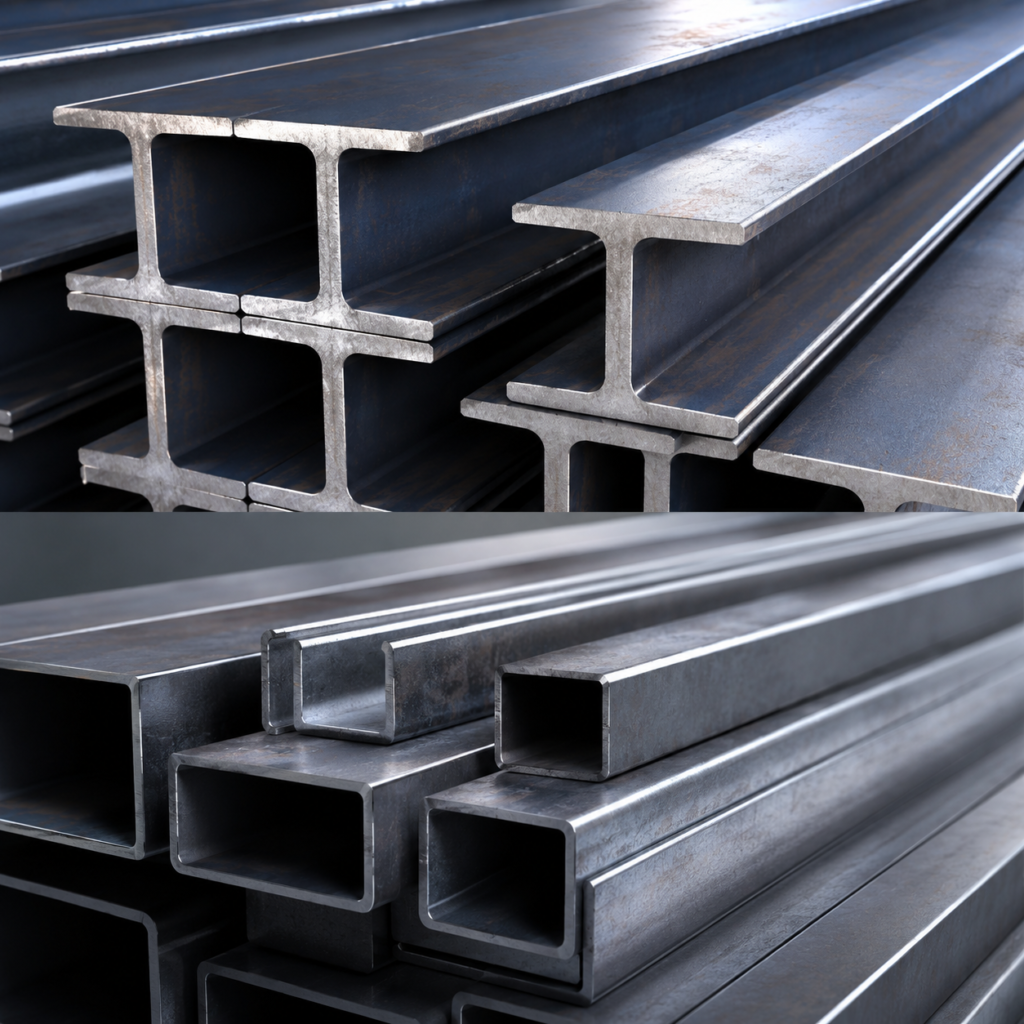
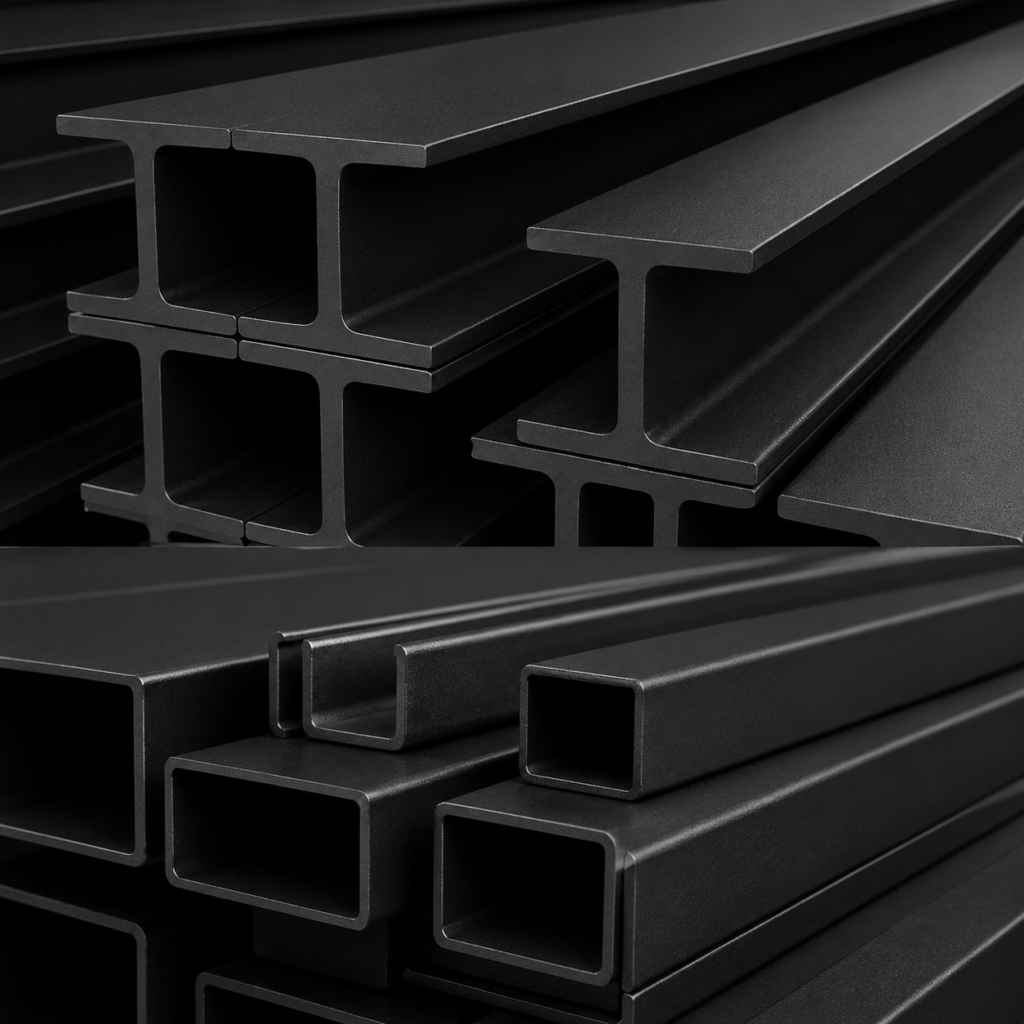
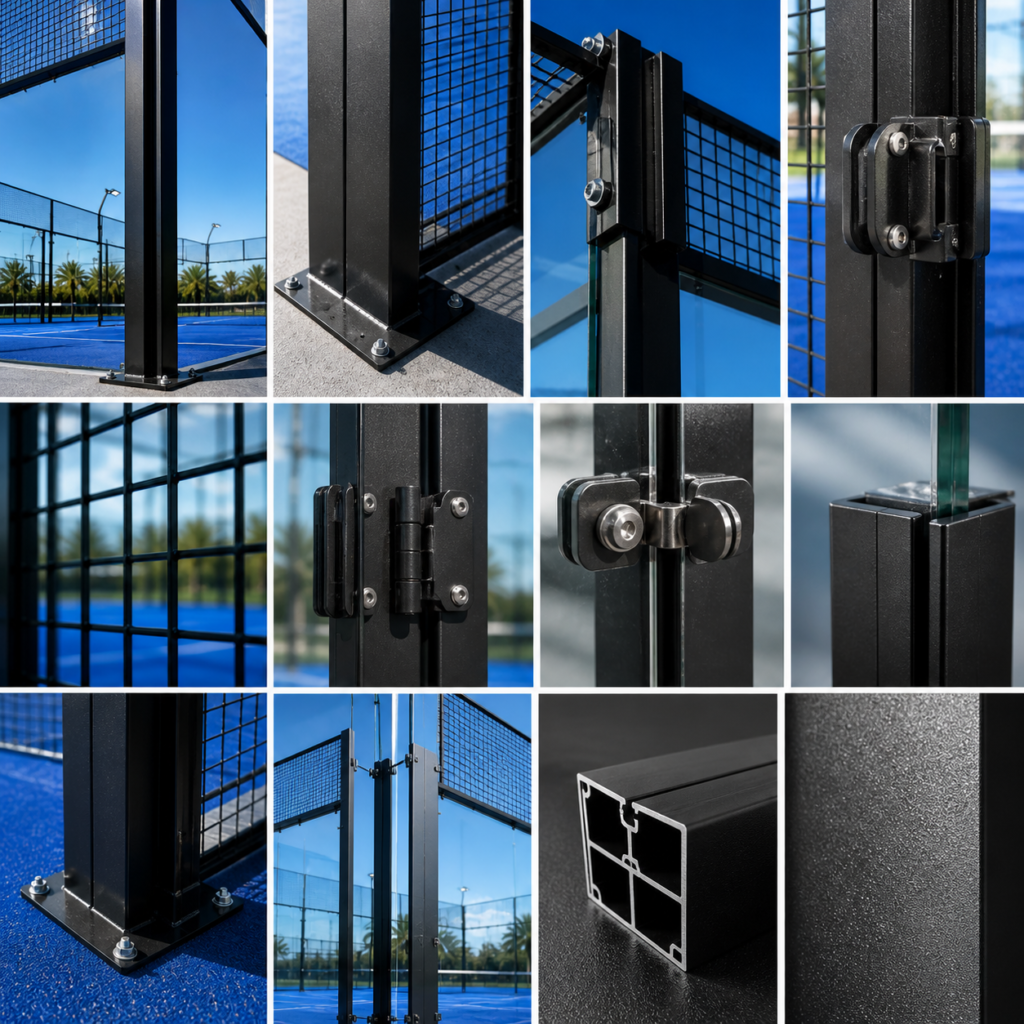
FIP-compliant padel-korto structural frames should be fabricated from S355 structural steel (yield strength 355 MPa) per EN 10025-2. This grade provides the stiffness and strength required to maintain glass panel alignment under wind loads and thermal expansion cycling. S235 steel (yield strength 235 MPa) is sometimes substituted by cost-cutting manufacturers—it’s not FIP-prohibited but results in more flexible structures that experience greater deflection under wind, potentially compromising glass panel seating.
What to request in your RFQ: “Confirm steel grade for all structural members (columns, horizontal beams, diagonal bracing). Provide EN 10025 material certificate for steel used in our order.”
Hot-Dip Galvanizing: The Corrosion Protection Decision
Considering safety and durability, it is crucial to choose Padel Court Materials.
Hot-dip galvanizing (HDG) is the most important single specification decision for padel court structural longevity. The process involves immersing fabricated steel components in molten zinc at ~450°C, creating a metallurgical bond between zinc and steel that cannot be scratched off or scraped—unlike zinc-rich paint or spray galvanizing.
The critical specification parameter is zinc coating thickness, measured in microns (µm). EN ISO 1461 (the international HDG standard) sets minimum averages depending on steel section thickness:
| Steel Thickness | EN ISO 1461 Minimum (µm) | Expected Corrosion-Free Life (C3 environment) | PanoCourt Specification |
|---|---|---|---|
| <3mm | 45µm | 8–12 years | N/A (structural members >3mm) |
| 3–6mm | 55µm | 12–18 years | 70µm minimum |
| 6–mm | 70µm | 15–22 years | 85µm minimum |
| >mm | 85µm | 20–30 jaroj | 85µm minimum, 100µm for coastal/tropical |
What to request: “Confirm hot-dip galvanizing standard (EN ISO 1461) and minimum zinc coating thickness (state: minimum 85µm average for all structural members). Provide HDG batch test report for our order.”
Red flag: Any supplier specifying “galvanized steel” without confirming hot-dip process and minimum micron thickness is potentially offering spray-galvanized steel (30–50µm, 5–8 year corrosion protection) at HDG prices.
Powder Coating: The Aesthetic and Secondary Protection Layer
Transparent Padel Court Materials specifications are critical to buyers.
Powder coating over galvanizing provides both aesthetic color customization and additional UV + mechanical damage protection. Key specifications:
- Coating thickness: 60–80µm for standard outdoor; 80–100µm for tropical/coastal
- Quality standard: QUALICOAT Class 2 (superior UV and weather resistance) for outdoor courts; Class 1 for indoor
- Adhesion: Applied over phosphate conversion coating for maximum adhesion to galvanized surface
- Color: Typically RAL palette standard colors; custom colors available at premium from most manufacturers
Glass Panels: The Technical Heart of Panoramic Padel Courts
Glass Type and Thickness
FIP specification mandates 12mm fully tempered (monolithic) safety glass (ESG) for all panorama padel-korto enclosure panels. This is non-negotiable for FIP compliance—panels manufactured to this specification provide:
- Impact resistance: 3–5x that of annealed glass of equivalent thickness
- Fracture safety: On breakage, tempered glass shatters into small blunt fragments rather than large sharp shards
- Thermal resistance: Withstands rapid temperature changes of up to 40°C without fracture
What to request: “Confirm glass specification: fully tempered (not heat-strengthened), 12mm thickness, EN 12150-1 compliance. Provide glass mill certificate including actual tempering process parameters and residual stress measurements for our order.”
Heat Soak Testing (HST): The Premium Quality Tier
Spontaneous glass breakage due to nickel sulfide (NiS) inclusions affects approximately 1 in 500–1,000 tempered glass panels. NiS inclusions are microscopic sulfide crystals present in raw float glass that expand during tempering and can cause fracture weeks or months after installation. Heat Soak Testing (HST) per EN 14179-1 eliminates >95% of panels with critical NiS inclusions by deliberately triggering failure in a controlled oven environment before installation.
HST adds approximately $15–$25 per panel to glass cost—for a full panorama padel-korto with 10 panels, this is $150–$250 additional cost. Against a glass panel replacement cost of $800–$1,500 per panel (including installation labor and court downtime), HST is a strongly positive ROI investment. Not all fabrikantoj de padelkorteoj offer HST as standard—ask explicitly.
Glass Seating and Retention Systems
How glass is mounted in the steel frame affects both structural performance and risk of spontaneous failure. Key requirements:
- Neoprene setting blocks at all glass support points: minimum 70 Shore A hardness, 150mm length
- Mechanical retention clips: stainless steel, providing secondary retention independent of adhesive or friction
- Perimeter silicone: weather-sealing grade, UV-stable, applied to manufacturer specification for joint width
- Minimum glass edge clearance: 5mm at all contact points to prevent thermal expansion stress
Artificial Turf: The Player Experience Material
Fiber Material and Construction
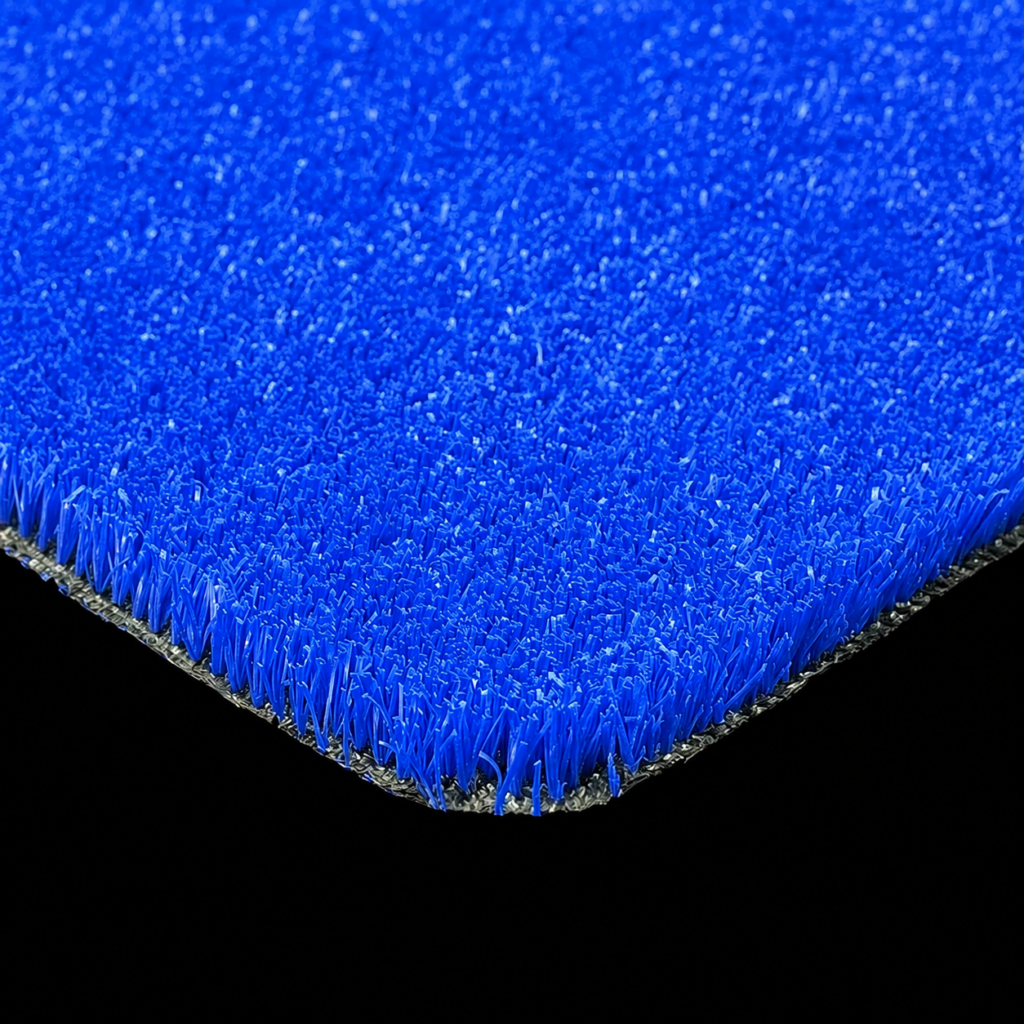
FIP-approved padel court turf uses monofilament or texturized polypropylene (PP) fiber. Polypropylene is specified (not polyethylene, which is common in football turf) because PP provides the higher fiber stiffness needed for consistent ball rebound on padel courts. Key specifications:
- Fiber material: Polypropylene (PP), minimum 90% PP content by mass
- Dtex (fiber linear density): 8,000–12,000 dtex for padel (affects pile weight and durability)
- Pile height: 10–12mm (short pile enables consistent low-bounce play; longer piles used in some recreational courts)
- Stitching gauge: 3/4″ or 5/8″ recommended (denser stitching = more durable surface)
UV Stability: The Climate-Critical Specification
Polypropylene without UV stabilization degrades rapidly under solar exposure—fiber embrittlement, color fading, and pile height loss can become visible within 12–18 months in equatorial/tropical markets. UV stabilizer specification:
- Minimum specification: 2,000 hours accelerated weathering per ISO 4892-3 without >25% tensile strength loss
- Recommended for tropical/high-altitude markets: 3,000+ hours ISO 4892-3
- Carbon black content: minimum 2% by mass is a secondary UV protection mechanism (relevant for non-green colored turf; green turf relies on UV stabilizer additives)
Backing System
Turf backing determines dimensional stability and long-term pile anchorage. Padel court turf should specify:
- Primary backing: woven polypropylene, minimum 100 g/m²
- Secondary backing: double-layer polyurethane (PU) or SBR latex, minimum 800 g/m² combined
- Tuft bind strength: minimum 30N per EN 13744 (resistance to pile extraction by players)
LED Lighting: Performance and Efficiency Specification
Lux Level and Uniformity Requirements
EN 12193 (Lighting of Sports Installations) defines requirements for padel courts:
- Recreational play (Club Class III): Minimum 200 lux horizontal illuminance, uniformity U1 >0.4
- Club competition (Class II): Minimum 300 lux, uniformity U1 >0.5
- High-performance competition (Class I): Minimum 500 lux, uniformity U1 >0.6
- TV broadcast (FIP/Premier Padel): Minimum 1,000 lux vertical, uniformity U1 >0.7
Most commercial club padel courts target Class II (300 lux) as the baseline—sufficient for recreational and club competition play without the expense of broadcast-level specification.
LED Fixture Quality Indicators
- Efficacy: Minimum 140 lm/W for quality LED fixtures (lower efficacy = higher energy cost)
- CRI (Color Rendering Index): Minimum 80 Ra for padel (accurate ball and court color perception)
- Color temperature: 5,000–6,500K (neutral to cool white) for outdoor sports lighting
- IP rating: IP65 minimum for outdoor fixtures (dust-tight, rain-proof)
- IK rating: IK08 or higher (impact protection against incidental ball strikes near fixture positions)
- Driver lifetime: L80B10 80,000 hours (80% lumen maintenance to 80,000 hours with 10% failure rate)
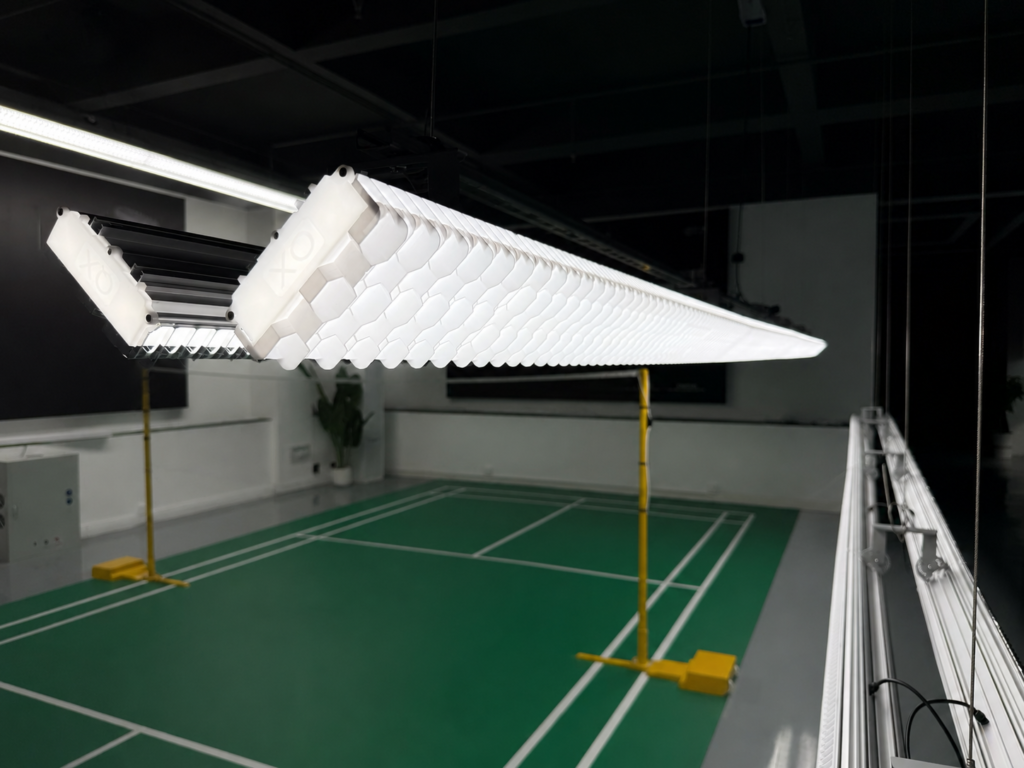
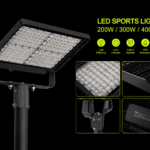
Expert opinion: Personalized lighting system design can be carried out according to the club or venue space. You can refer to the padel lighting system independently developed by Pano Court.
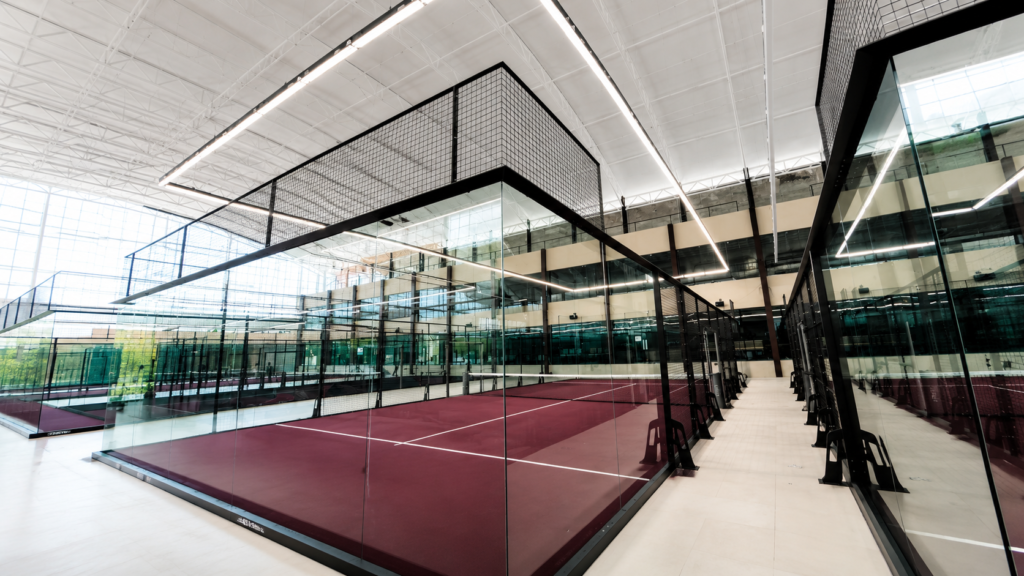
Hardware: The Details That Determine Long-Term Reliability
Door System
Padel court doors receive high-cycle loading—a typical commercial club court has 50–100 door open/close cycles per day. Specification requirements:
- Door frame: same steel specification as court frame (HDG 85µm+)
- Hinges: 316L stainless steel, minimum 60,000 cycle fatigue life
- Latch/catch: magnetic catch with manual release, stainless steel
- Glass in door: if glazed, same 12mm ESG specification as court panels
Fasteners
Structural fasteners (bolts, nuts, washers) are often under-specified by lower-tier suppliers. Requirements:
- Structural connection bolts: Grade 8.8 minimum (hot-dip galvanized or geometric zinc flake coating)
- Exposed outdoor fasteners in coastal/tropical environments: 316L stainless steel throughout
- Thread locking: critical structural connections should use prevailing torque nuts (Nyloc type) or thread locking compound
For a comprehensive view of how these specifications compare across manufacturers, see: Ĉefaj fabrikantoj de padelaj kortoj en Ekvadoro 2026 kaj The Padel Court Manufacturer USA Report 2026.
PanoCourt Material Standards: Our Specification Commitment
PanoCourt’s standard specification for all production orders:
- Steel: S355 structural steel per EN 10025-2; hot-dip galvanized per EN ISO 1461 at minimum 85µm (100µm for tropical/coastal)
- Vitro: 12mm fully tempered ESG per EN 12150-1; EN 14179-1 HST available as option
- Turf: PP monofilament, 10–12mm pile, ISO 4892-3 minimum 2,000 hours (3,000 hours for tropical orders)
- Lighting: LED, minimum 140 lm/W, 300+ lux average per court, IP65
- Hardware: Stainless 316L for hinges and door hardware; Grade 8.8 HDG for structural fasteners
Full material test reports, EN standard certificates, and batch traceability documentation provided with every order as standard.
Get PanoCourt’s Full Material Specification Package
Request PanoCourt’s complete material specification sheets, EN certification portfolio, and sample test reports—before committing to any purchase order. Specification transparency is our standard.
→ Request Material Specification Package
Frequently Asked Questions: Padel Court Materials and Specifications
What is the minimum glass thickness for a padel court?
FIP specification mandates 12mm fully tempered safety glass (ESG) for all panorama padel-korto enclosure panels. Some manufacturers supply 10mm glass to reduce cost—this is below FIP specification, provides less impact resistance, and should be refused. Always confirm glass thickness in writing and request a mill certificate with tempering process parameters for your specific order.
What is the difference between hot-dip galvanizing and spray galvanizing for padel courts?
Hot-dip galvanizing (HDG) creates a metallurgical bond between zinc and steel—the zinc alloy penetrates the steel surface and cannot be scraped off. HDG at 85µm provides 20–30 years corrosion protection in moderate environments. Spray galvanizing (also called cold galvanizing or zinc-rich paint) applies zinc particles in a binder to the steel surface—it can be scratched off and provides only 5–8 years protection. Many lower-tier provizantoj de padel-kortoj describe spray-galvanized steel as “galvanized” without distinguishing the method. Always specify hot-dip and confirm with EN ISO 1461 test certification.
Should I specify Heat Soak Tested (HST) glass for my padel courts?
For commercial club padel courts where spontaneous glass breakage causes revenue loss and member inconvenience, HST glass is worth the $150–$250 per court premium. HST eliminates >95% of panels with NiS inclusions that could cause spontaneous breakage post-installation. For municipal or budget facilities where breakage frequency is the primary driver (and one replacement in 5 years is acceptable), standard 12mm tempered glass without HST is a rational specification. For premium resort or high-utilization commercial courts, HST is recommended.
How long does padel court artificial turf last?
FIP-grade artificial turf with proper UV stabilization and sand infill maintenance should provide 8–12 years of serviceable life in temperate climates. In tropical/equatorial environments with inadequate UV specification, lifespan can drop to 4–6 years. Regular maintenance (mechanical brushing every 1–2 months, top-up sand infill annually) significantly extends turf lifespan. High-quality fabrikantoj de padelkorteoj should provide turf warranties of 5–8 years with documented UV stability certification.
What LED lighting specification is needed for a padel court?
For recreational and club competition use, specify minimum 300 lux average horizontal illuminance, uniformity U1 >0.5 (EN 12193 Class II), from LED fixtures rated minimum 140 lm/W, IP65, CRI >80. Request a photometric simulation report (Dialux or similar) from your provizanto de padelkortoj confirming these levels will be achieved by the proposed fixture layout before order confirmation. Post-installation lux measurement should be part of your