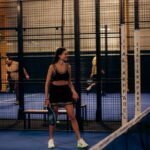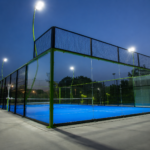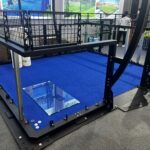
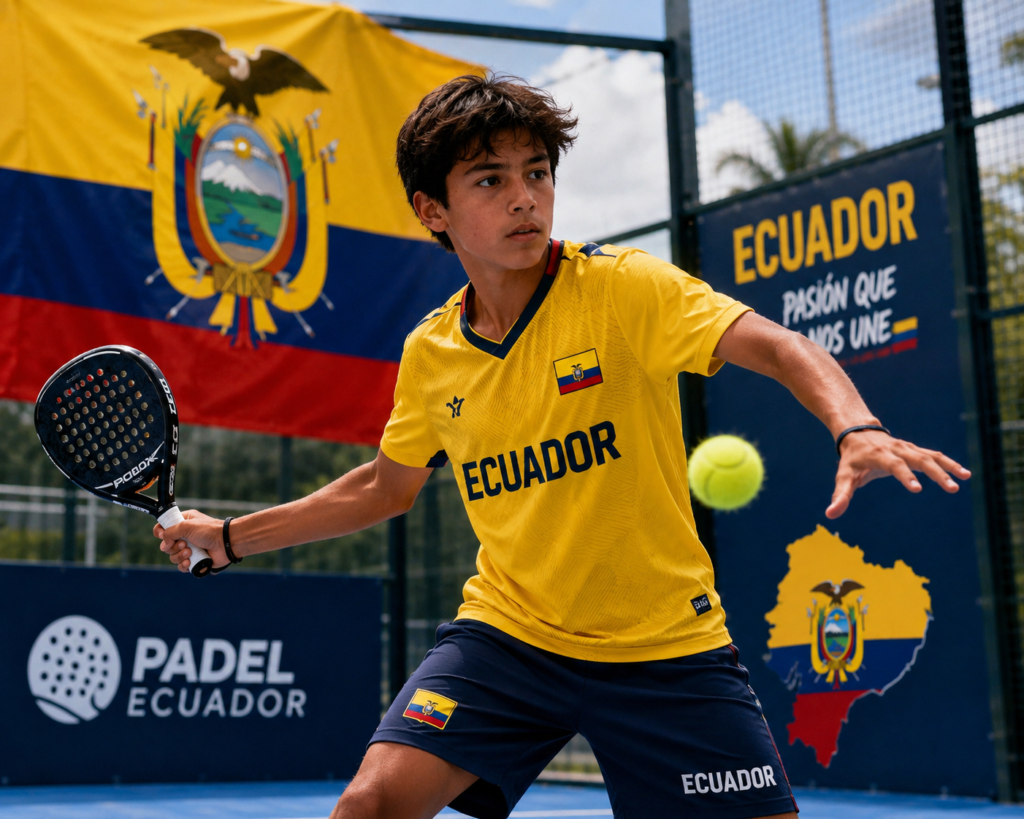
Le padel est le sport qui connaît la plus forte croissance en Équateur depuis une décennie — et pour les entrepreneurs qui construisent les terrains, il est discrètement devenu l’un des créneaux les plus rentables du secteur de la construction dans le pays. Selon des articles de presse locaux s’appuyant sur des estimations nationales concernant le padel, l’Équateur est passé d’environ deux clubs de padel en 2019 à plus de 70 clubs et à un nombre estimé entre 200 et 250 courts enregistrés d’ici fin 2025, principalement concentrés à Quito, Guayaquil, Manta, Ambato, Ibarra et Cuenca.
Rien que dans l'agglomération de Quito, le corridor Cumbayá–Puembo–Tumbaco compte plus de 60 tribunaux. Pour replacer cet essor local dans un contexte mondial : le Rapport mondial 2025 de la FIP sur le padel On a recensé 14 355 nouveaux terrains construits dans le monde en une seule année (soit une hausse annuelle de 15,21 TP3T, portant le total mondial à plus de 77 300 terrains répartis dans 150 pays), tandis que les données régionales montrent que les marchés d’Amérique latine, comme la Colombie, enregistrent une augmentation du nombre de terrains de plusieurs centaines de pour cent d’une année sur l’autre. Des prévisions indépendantes concernant le marché global du padel tablent sur une croissance annuelle soutenue à deux chiffres jusqu'au début des années 2030.
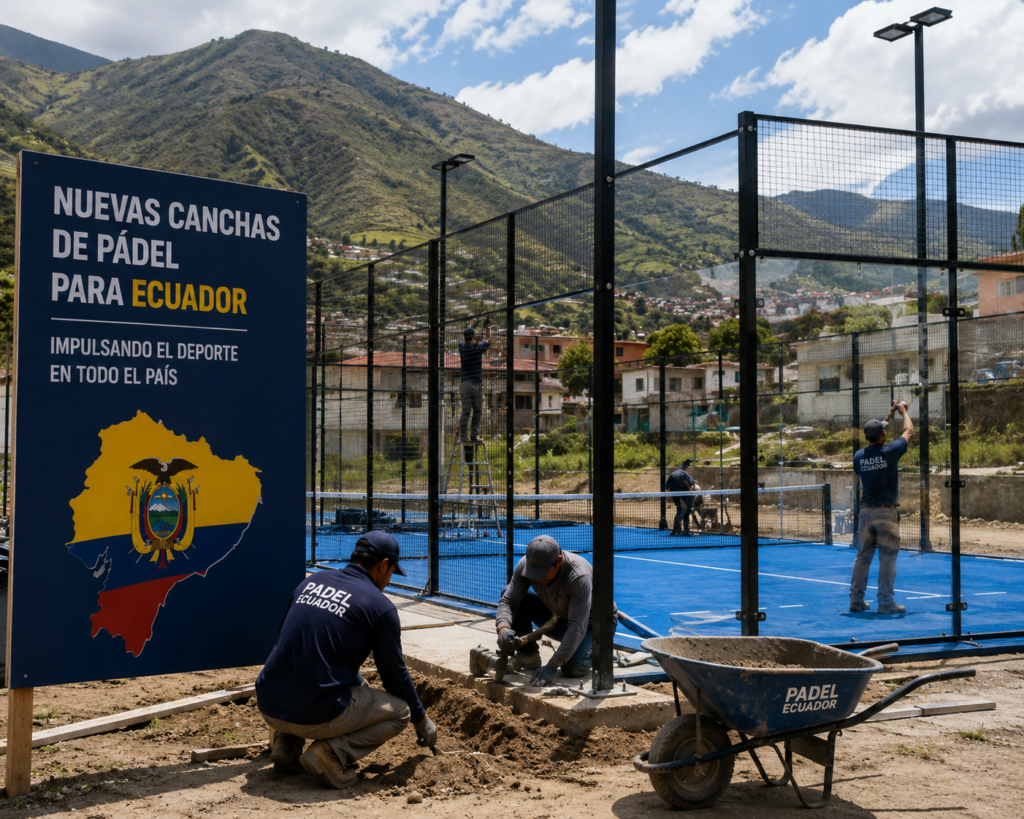
En se basant sur des estimations prudentes, si l'Équateur suit simplement la courbe de croissance observée en Amérique latine, le parc actuel de 200 à 250 tribunaux pourrait, de manière réaliste, doubler au cours des cinq prochaines années — ce qui représenterait plusieurs centaines de tribunaux supplémentaires. Cette demande ne s'arrête pas au poteau du filet. L'essor du padel stimule l'ensemble de la chaîne d'approvisionnement des installations sportives. Fabricants de terrains de padel en Équateur: travaux de génie civil et fondations, charpente métallique, verre trempé, gazon synthétique, éclairage LED, clôtures et systèmes d'ombrage/de toiture. Pour un entrepreneur équatorien bien établi, chaque nouveau terrain représente une marge supplémentaire tirée des capacités dont il dispose déjà.
Importations de padel en Équateur en 2025 : d'où proviennent réellement les terrains ?
L'Équateur ne fabrique pas sur son territoire de systèmes complets de courts de padel panoramiques ; il les importe. L'analyse de notre ensemble de données douanières équatoriennes pour la période 2025-2026 (couvrant 513 déclarations d'importation liées au padel, de juin 2025 à mai 2026) met en évidence deux réalités claires pour les entrepreneurs :
- L'Espagne fait figure de référence en matière de marque et de design. Les fabricants espagnols — avec en tête MejorSet, l'inventeur du terrain « Full Panoramic » — définissent le segment haut de gamme et la norme de compétition à laquelle se réfèrent les acheteurs équatoriens.
- La Chine est le principal fournisseur en termes de volume. D'après les registres douaniers analysés, 100% des envois d'équipements de padel suivis sont physiquement arrivés de usines chinoises. Grâce à l'intégration de ses matières premières (acier Q235, verre flotté), à sa grande capacité de galvanisation et à une politique tarifaire très compétitive, la Chine est devenue le premier fournisseur de matériel pour terrains de padel de l'Équateur.
La valeur totale déclarée de l’ensemble des importations de padel figurant dans l’ensemble de données s’élevait à environ $440 000 dollars américains, dont les livraisons destinées spécifiquement aux installations de padel (terrains complets, structures, verre trempé, gazon synthétique et clôtures) représentaient environ $92 000 dollars américains, pour un total d’environ 56 tonnes d’acier et de verre. La conclusion pour un entrepreneur est simple : le style architectural est espagnol, mais l’acier qui compose la quasi-totalité des terrains équatoriens est chinois.
Fabricants de terrains de padel en Équateur — MejorSet (Espagne)
MejorSet est un fabricant espagnol basé à Alicante, en activité depuis 2003 (plus de 20 ans), présent dans plus de 70 pays. C'est l'entreprise qui a initialement conçu le terrain « Full Panoramic » utilisé dans les circuits d'élite tels que le Premier Padel et le Championnat du monde de padel, et c'est un constructeur de terrains référencé par la FIP. En bref, MejorSet est la marque à laquelle les autres fabricants — y compris les usines chinoises — se comparent.
Comment MejorSet s'implante en Équateur : un modèle de distribution reposant sur des agents
MejorSet ne vend pas directement en Équateur. Sa stratégie de commercialisation consiste à… réseau de distributeurs officiels: elle désigne des partenaires exclusifs par territoire, leur fournit des supports marketing et un accompagnement commercial, et distribue par leur intermédiaire ses produits haut de gamme (notamment les courts panoramiques de marque adidas et RedSport qu'elle fabrique). Sur l’ensemble du continent américain, ce modèle est le même que celui utilisé aux États-Unis et au Canada (PadelBox) ainsi que dans les Caraïbes (Padel Court Caribe).
En Équateur, la prime Lignes panoramiques de marques espagnoles (par exemple, adidas AFP Panorámica, adidas V Panorámica, RedSport AFP) sont représentées par Padel Box Ecuador, tandis que des importateurs généraux tels qu’Ecuagrass fournissent des structures panoramiques, des tubes galvanisés et du verre trempé de 10 mm pour le segment intermédiaire du marché. Il convient de noter qu’un cas régional souvent cité — l’installation de quatre courts de padel dans une grande université de Salinas, en Équateur — figure dans le portefeuille des installateurs du système espagnol, illustrant ainsi comment ce dernier remporte des projets phares axés sur la visibilité.
MejorSet en Équateur : atouts, faiblesses et position tarifaire
Le consensus des installateurs est unanime : l'atout de MejorSet réside dans la conception et l'ingénierie, et non dans le prix. Les systèmes espagnols sont conçus sur mesure pour chaque projet : ils optimisent non seulement le terrain, mais aussi l'aménagement spatial de l'ensemble du club de padel (visibilité, circulation des spectateurs, géométrie des terrains multiples, image de marque). C'est grâce à cette rigueur conceptuelle qu'ils dominent le marché des installations de niveau tournoi et des clubs phares. Le revers de la médaille, c’est le coût : un court panoramique de marque espagnole installé en Équateur coûte généralement bien plus cher qu’un équivalent d’origine chinoise.
| MejorSet (Espagne) — évaluation | Détail / donnée |
|---|---|
| Profil du fabricant | Alicante, Espagne. Depuis 2003 (plus de 20 ans). Présent dans plus de 70 pays. Inventeur du court « Full Panoramic ». |
| Certification / statut | Certifié FIP ; terrain officiel du Premier Padel / Championnat du monde de padel. Revêtement MONDO en standard. |
| Stratégie de commercialisation en Équateur | Distributeurs officiels uniquement (pas de vente directe). Gammes panoramiques haut de gamme adidas / RedSport via un partenaire local ; projets phares (par exemple, l'université de Salinas, 4 courts). |
| Point fort | Conception sur mesure et optimisation de l'espace dédié au club ; visibilité et finitions dignes d'un tournoi ; forte image de marque. |
| Principale faiblesse | Gamme de prix la plus élevée ; délais de livraison plus longs ; pièces de rechange et service après-vente liés au distributeur. |
| Prix indicatif à l'installation (panneau panoramique, Équateur) | ≈ 25 000 à 40 000 US1TP4 ou plus par terrain (marque espagnole haut de gamme, installation comprise). À privilégier lorsque le budget le permet. |
| Le plus adapté | Tournois, projets phares menés par les pouvoirs publics et les collectivités locales, clubs haut de gamme et hôtels disposant de budgets plus importants. |
Remarque concernant les tarifs : Les chiffres relatifs aux installations « premium » en Espagne sont des estimations calculées à partir de références régionales « clé en main » (installation « clé en main » panoramique au Mexique ≈ $27 000 US$ par terrain ; coût des matériaux « structure + vitrage » en Équateur : US$12 000–20 000 avant le gazon synthétique, l’éclairage et la main-d’œuvre) ainsi que du positionnement haut de gamme de MejorSet. Veuillez toujours vérifier ces informations à l’aide d’un devis officiel.
Fabricants de terrains de padel en Équateur — Pano Court (Chine)
Si l'Espagne domine le podium, la Chine domine le secteur des pipelines. Chaque expédition de terrains de sport complets figurant dans notre base de données douanière équatorienne pour la période 2025-2026 provenait d’une usine chinoise spécialisée dans les équipements sportifs. Le tableau ci-dessous présente les expéditions réelles de terrains de sport complets et de composants ayant été dédouanées en Équateur au cours de cette période : importateurs réels, fournisseurs chinois réels, valeurs déclarées réelles.
| Date | Importateur en Équateur | Fournisseur chinois (origine) | Article / SH | Quantité | Poids | Valeur déclarée |
|---|---|---|---|---|---|---|
| 2025-08 | Cimerconsa S.A. | (Shandong) | Terrains de sport complets (9406) | 3 séries | 32 700 kg | $61,389 |
| 2025-11 | Ceniferr S.A.S. | Wanhe Industrie et Commerce | Structure et composantes du tribunal (9406) | 1 lot | 6 500 kg | $12,327 |
| 2025-11 | W. Arias Guevara | Sports Tech (Tianjin) | Court Deluxe (9506) | 1 lot | 3 825 kg | $7,172 |
| 2026-03 | Defaz Chevez D. | Century Star Sports | Set complet de tennis (9406) | 1 lot | 7 900 kg | $5,252 |
| 2025-10 | Inplastic | Youshan Intl Trade | Verre de padel (7007) | 18 unités | 1 169 kg | $1,787 |
| 2025-10 | Rodriguez H.F. | Binzhou, dans le Shandong | Filet de clôture pour terrain de sport (7314) | 100 rouleaux | 2 300 kg | $1,750 |
| 2026-02 | Parra Piedra I.O. | Gazon synthétique Jiangsu Lvbo | Gazon pour padel (5703) | 300 m² | 672 kg | $1,107 |
Les livraisons destinées aux complexes sportifs ont totalisé environ $92 000 dollars US pour un volume d’environ 56 tonnes. Les valeurs FOB déclarées sous-estiment le coût d’installation (le prix FOB d’un terrain complet peut ne représenter qu’une fraction du prix « clé en main »), mais la tendance est sans équivoque : les usines chinoises du Shandong, de Tianjin, du Jiangsu et de Qingdao équipent aujourd’hui les clubs équatoriens.
Pourquoi les usines chinoises de padel sont adaptées au marché équatorien
Les atouts concurrentiels d'une usine chinoise spécialisée dans la fabrication de terrains de padel correspondent presque parfaitement à ce dont un entrepreneur équatorien a besoin pour remporter et mener à bien des projets dans les meilleurs délais :
- Garantie structurelle de plus de 10 ans et durabilité — Châssis en acier au carbone Q235, galvanisés à chaud puis revêtus d'une peinture en poudre par projection électrostatique, conçus pour une durée de vie en extérieur de plus de 15 ans.
- Sécurité et verre trempé de 12 mm — des systèmes panoramiques utilisant du verre trempé de 12 mm d'épaisseur, dont la résistance aux chocs est plusieurs fois supérieure à celle des structures standard.
- Certification internationale — Géométrie conforme aux normes FIP et WPT, fournisseurs certifiés par SGS, choix de gazon synthétique de qualité MONDO.
- Rapport qualité-prix — systèmes panoramiques à des prix compris entre environ $8 200 et 13 500 US FOB, systèmes super-panoramiques entre $10 000 et 11 500 US — nettement inférieurs aux prix pratiqués en Espagne pour les modèles haut de gamme.
- Personnalisation et accompagnement clé en main — Conception de projets en 3D, couleurs et logos personnalisés, délais d'installation rapides (7 à 15 jours) et service complet de logistique et d'emballage.
Conclusion : Compte tenu de la multiplication rapide du nombre de terrains de sport en Équateur — où les entrepreneurs doivent livrer de nombreux terrains dans le respect des délais et du budget —, le modèle d’approvisionnement chinois est celui qui s’adapte le mieux à la structure du marché. Les entreprises équatoriennes spécialisées dans les installations sportives (installateurs de gazon synthétique, entrepreneurs en revêtements en caoutchouc et en aires de jeux, à l’image d’Astro Global Corp, qui gère déjà des installations de gazon synthétique, de revêtements en caoutchouc et d’aménagements de courts de padel dans trois villes, conformément à la norme ISO 9001) peuvent mettre directement à profit leur expérience de terrain dans la construction de courts de padel. Pour elles, le padel n’est pas une nouvelle activité : il s’agit d’un complément à forte marge qui vient s’ajouter aux compétences dont elles disposent déjà.
Pano Court — Présentation
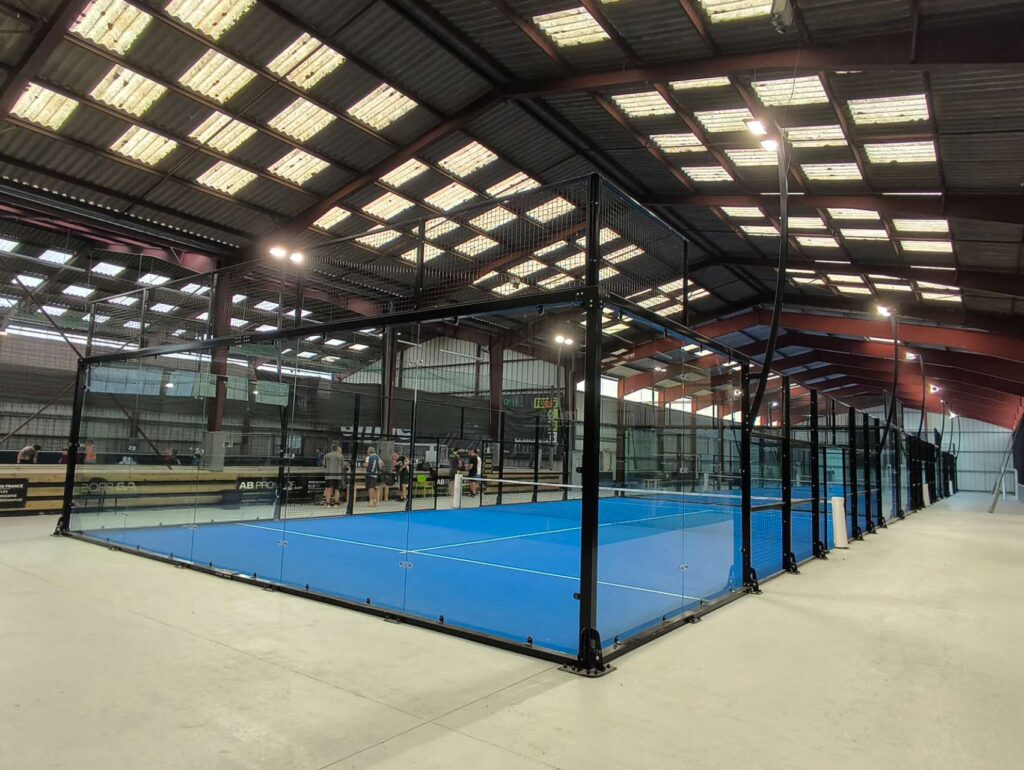
Pano Court (panocourt.com) est un fabricant chinois de terrains de padel panoramiques qui produit des systèmes complets destinés à l’exportation — structure, verre trempé, gazon synthétique, éclairage LED et accessoires — conformes aux dimensions FIP/WPT. Le positionnement de Pano Court est spécialement conçu pour répondre précisément au cas d’utilisation des entrepreneurs à l’exportation décrit ci-dessus :
- Conception structurelle renforcée — Châssis en acier galvanisé à chaud, doté d'une conception originale (non standard) des colonnes d'angle qui renforce la résistance aux charges dues au vent et aux chocs, pour les installations extérieures soumises à des conditions difficiles.
- Gamme complète — Modèles Classic, Panoramic et Super Panoramic, ainsi que des options d'auvents et de toitures adaptées aux climats tropicaux.
- Garantie de plus de 10 ans, personnalisable — personnalisation de l'image de marque, des couleurs et de l'épaisseur du verre en fonction de chaque projet ; accompagnement clé en main pour l'exportation (conception → production → emballage → expédition).
- Une situation économique favorable aux entrepreneurs — des tarifs et des délais de livraison adaptés aux revendeurs et aux installateurs qui ont besoin de projets de courts de tennis récurrents et rentables.
Comment choisir un fabricant de terrains de padel en Équateur
Il n'y a pas de meilleur fabricant en soi — il y a un meilleur fabricant pour votre projet. Le choix approprié dépend de quatre facteurs : (1) le type de projet et les utilisateurs cibles, (2) le climat local, (3) le capital/budget, et (4) le modèle de mise en œuvre et d'exploitation. Examinez-les dans cet ordre.
1) Type de projet — adapter le terrain aux joueurs
Commencez par déterminer qui utilisera le plus le terrain : des enfants, des jeunes en entraînement, des adultes jouant pour le plaisir, ou bien des joueurs participant à des compétitions ou à des tournois. C'est le public cible qui détermine avant tout la taille du terrain, son modèle et le budget alloué.
| Utilisateurs principaux | Tribunal recommandé | Taille | Modèle adapté | Prix indicatif (source) |
|---|---|---|---|---|
| Enfants / juniors | Court simple / mini-court | 20 × 6 m (simple) ou plus petit (mini) | Single classique | $ 6 000–10 000 |
| Formation des jeunes / centre de formation | Classique fermé | 20 × 10 m (doubles) | Classique (mailles + verre) | $ 10 000–16 000 |
| Club social / commercial pour adultes | Panoramique | 20 × 10 m | Panoramic (Chine) / adidas Panorámica (Espagne) | $ 15 000–25 000 |
| Tournois / événements / démonstrations | Super / Panorama complet | 20 × 10 m | Super panoramique ; MejorSet Full Panoramic | 1TP4 25 000–45 000+ |
Les prix indiqués sont des fourchettes à titre indicatif pour des solutions « clé en main », combinant des options d'origine chinoise et des options haut de gamme espagnoles ; les produits de marque espagnole se situent dans le haut de chaque fourchette. Veuillez vérifier ces informations via un devis officiel.
2) Conditions climatiques — intérieur ou extérieur, humide ou sec
Les microclimats de l'Équateur vont de la chaleur humide du littoral (Guayaquil, Manta, Salinas) aux hautes terres plus fraîches et plus pluvieuses (Quito, Cuenca, Ambato). Le climat détermine le modèle et les matériaux choisis : si vous vous trompez, vous en paierez le prix en termes de corrosion, d'éblouissement et d'interruptions dues à la pluie.
En intérieur : choisissez « Super Panoramique ». Pour les installations couvertes, optez pour un système panoramique intégral : la conception entièrement vitrée et sans colonnes offre aux spectateurs et aux joueurs une visibilité optimale et une impression d’espace bien plus grande, ce qui correspond exactement aux attentes des clubs et des lieux d’événements haut de gamme en salle.
En extérieur : optez pour un terrain « Classic » équipé d'un auvent. En extérieur — et en particulier dans les régions très pluvieuses ou très ensoleillées —, un court Classic équipé d’un auvent protège les joueurs du soleil et du vent et permet de continuer à jouer même sous la pluie. Optez pour des tubes et du verre plus épais afin d’améliorer la sécurité et la résistance au vent, et prêtez attention à la conception des poteaux d’angle : la conception profilée (non standard) des poteaux d’angle de Pano Court est spécialement conçue pour augmenter la résistance aux charges dues au vent sur les sites exposés.
La toiture revêt une importance bien plus grande que ne le pensent les acheteurs. Pour les terrains couverts ou en salle, le choix de la toiture constitue une décision d’approvisionnement à part entière. En Équateur, la demande en toitures isolées — reflétée par des termes de recherche tels que « panneau sandwich Équateur », « prix au m² des panneaux sandwich en Équateur », « panneau en acier Équateur » et « panneaux de polyuréthane Quito » — montre que les entrepreneurs locaux achètent déjà des toitures en panneaux sandwich pour des structures sportives et industrielles. Un fournisseur de courts de padel capable de proposer un devis pour la verrière ou la toiture en même temps que le court (ou de se coordonner avec le fournisseur de panneaux habituel de l’entrepreneur) remporte davantage de contrats « clé en main ».
3) Capital / budget
Le budget fixe un plafond, mais il faut raisonner en termes de coût total de possession, et non en fonction du prix affiché. Voici une estimation réaliste des coûts de construction en Équateur : structure + verre trempé : 12 000 à 20 000 US$ ; gazon synthétique (fibrillé ou monofilament) : 1 500 à 3 000 US$ ; éclairage LED : 2 000 à 4 000 US$ ; filet, poteaux et signalétique : environ 1 000 US$ ; sans compter la dalle de béton (une dalle homogène armée de 12 à 15 cm) et la main-d’œuvre. Un terrain panoramique d’origine chinoise permet de libérer des capitaux pour construire davantage de terrains et d’accélérer le retour sur investissement ; un terrain haut de gamme espagnol préserve le positionnement de la marque pour un site phare. Adaptez les dépenses au modèle de revenus : les clubs sociaux à forte fréquentation privilégient la rentabilité, tandis qu’un tournoi unique de prestige met en avant une image de marque haut de gamme.
Quelle est la procédure à suivre pour importer depuis une usine chinoise spécialisée dans la fabrication de terrains de padel ?
Pour un prestataire équatorien, l'importation d'un tribunal constitue un processus reproductible et prévisible dès lors qu'on l'a effectué une première fois. Le parcours complet type est le suivant :
- Demande de renseignements et conception : Indiquez le type de terrain, la quantité, s'il s'agit d'un terrain intérieur ou extérieur, ainsi que les dimensions du site. L'usine vous enverra alors un plan en 3D, une fiche technique et un devis FOB (généralement dans un délai de 24 à 72 heures).
- Devis et contrat : Confirmer le modèle, l'épaisseur du verre, la qualité du gazon synthétique, les couleurs/le marquage, les conditions Incoterms (FOB/CIF), le délai de livraison et la garantie. Signer le bon de commande ; verser un acompte (généralement 30%).
- Production : Découpe, galvanisation à chaud, thermolaquage, trempe du verre, production de gazon en rouleaux. Délai habituel : 20 à 35 jours, selon la quantité.
- Contrôle et équilibrage : Inspection avant expédition / inspection SGS ; paiement du solde (généralement 70%) sur présentation des documents ou d'une copie du connaissement.
- Fret maritime : Chine → Guayaquil (principal port équatorien), durée de transit généralement comprise entre 30 et 40 jours environ. Un conteneur correspond approximativement à un chargement partiel ; plusieurs chargements permettent un groupage efficace.
- Dédouanement : Déclarer sous les codes SH 9406 (structures préfabriquées) / 9506 (équipements sportifs). Payer les droits de douane + la TVA (IVA) au taux 15%. Un commissionnaire en douane se charge des formalités administratives.
- Livraison et installation : Transport jusqu'au chantier ; montage de la structure, vitrage, pose du gazon synthétique, installation de l'éclairage. Durée des travaux sur site : environ 7 à 15 jours par court, sur la base des plans d'usine.
Conseil : Regroupez plusieurs lots en un seul envoi afin de réduire les frais de transport unitaires, et demandez à l'usine de vous fournir un manuel d'installation ainsi qu'une aide vidéo — la plupart des exportateurs sérieux proposent gratuitement une assistance à distance pour l'installation.
Comment choisir un fabricant chinois de terrains de padel
Toutes les “ usines ” ne sont pas forcément des usines. De nombreux vendeurs en ligne sont en réalité des sociétés de négoce. Utilisez cette liste de contrôle pour distinguer un véritable partenaire industriel d'un simple revendeur :
- Une véritable activité industrielle, et non du simple commerce — Vérifiez les lignes de production internes de galvanisation, de trempe du verre et de gazon synthétique (demandez une vidéo de l'usine / l'audit SGS de l'usine). Une véritable usine maîtrise à la fois la qualité et les prix.
- Conformité aux normes FIP / WPT et rapports d'essais — demander les certificats relatifs au verre, les certificats de l'aciérie et la confirmation des dimensions FIP.
- Garantie écrite — Une garantie structurelle de 10 ans stipulée dans le contrat, et pas seulement sur le site web.
- Expérience dans le domaine de l'exportation et en Amérique latine — les expéditions antérieures vers l'Équateur, la Colombie et le Pérou, une classification SH correcte, ainsi que des documents permettant un dédouanement sans encombre à Guayaquil.
- Personnalisation et assistance à la conception — Conception en 3D, identité visuelle, renforcement adapté aux conditions climatiques (tubes/verre plus épais, poteaux d'angle profilés pour résister au vent).
- Un service après-vente réactif — la disponibilité des pièces de rechange et les conseils d'installation ; un partenaire qui répond rapidement est un partenaire qui préserve votre réputation auprès de vos clients.
Conclusion pour les entrepreneurs équatoriens : Comparez votre conception à celle des leaders espagnols tels que MejorSet, puis élaborez votre modèle économique en vous appuyant sur un fabricant chinois éprouvé comme Pano Court. C'est cette combinaison — une conception de niveau espagnol, des coûts et une rapidité de fabrication de niveau chinois — qui vous permettra de remporter davantage d'appels d'offres, de livrer plus rapidement et de transformer l'essor du padel en Équateur en une marge durable et reproductible.
Sources :
Chiffres relatifs au marché et à la croissance : Rapport mondial sur le padel 2025 du FIP ; presse équatorienne (Expreso, Extra) et commentaires de marché d’OnData ; rapports régionaux sur le secteur du padel. Chiffres relatifs aux importations : ensemble de données douanières exclusif de l’Équateur pour 2025-2026 (513 enregistrements liés au padel). Tarification : références de coûts « clé en main » équatoriennes et régionales, ainsi que fourchettes de prix FOB des usines chinoises. Tous les prix sont des estimations indicatives à des fins de planification uniquement — à confirmer par un devis officiel. Cet article est fourni à titre informatif et ne constitue pas un conseil financier.
- Coastal Padel Court: How to Choose the Right Model and Steel Specification (2026)
- Padel Court Design Guide for Clubs: Specs, Costs & ROI (2026)
- Padel Court Foundation Requirements: Concrete, Asphalt, Clay and Floating Bases Compared (2026)
- Outdoor Panoramic Padel Court: How to Judge If the Structure Is Safe (2026)
- Padel Court Manufacturers 2026: Quality, Price and Lead Time Compared