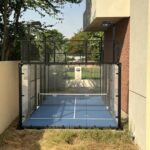
A fabricant de terrains de padel‘s price depends on four core factors: steel tube thickness and welding process, tempered glass quality and mesh fencing, powder coating treatment, and court type (panoramic vs. classic) plus customization.
For B2B buyers in 2026, factory FOB pricing falls into clear bands. Terrains de padel panoramiques ship at USD $6,000–$10,000 per court ex-works. Terrain de padel classique models with full mesh-and-glass walls run USD $8,000–$12,000 per court.
This guide breaks down the full Bill of Materials (BOM), production process, raw material sourcing, and supplier selection criteria — written for padel court contractors, investors, and distributors evaluating real factory costs before placing orders.
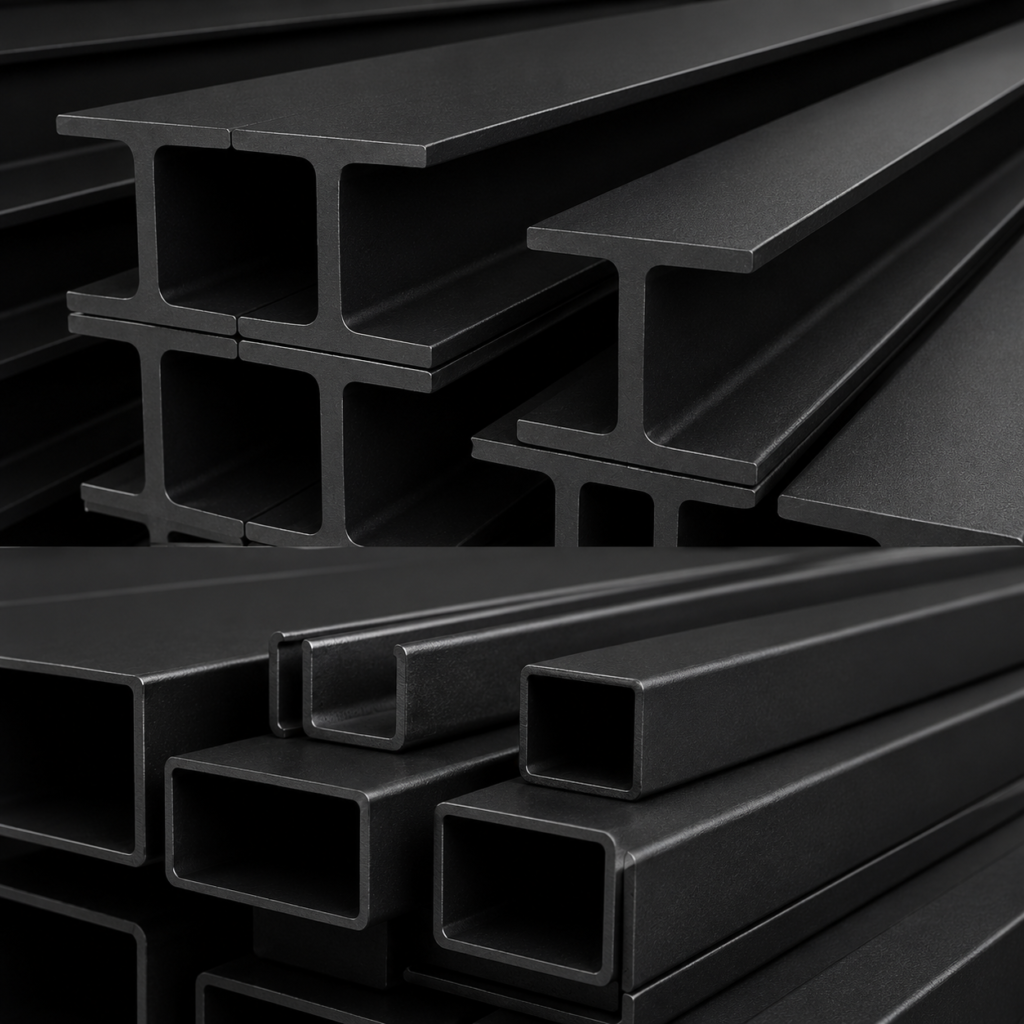
Complete Padel Court BOM Master Checklist (2026)
Below is the complete production Bill of Materials used by a professional padel court manufacturer to build one standard 20m × 10m court — covering structure, glazing, fencing, surfacing, hardware, packaging, and certifications.
Use this checklist as your RFQ template when evaluating any factory quote. Suppliers unable to reference these line items typically lack in-house production capability.
| Catégorie | Article | Caractéristiques techniques | Qty / Court | Subtotal (USD) | Certification |
|---|---|---|---|---|---|
| Structure | Square steel tube | 80×80×3mm, Q235, hot-dip galv. | ~1.5 tons | $1,200 | EN 10219 |
| Structure | Round steel tube | Ø60×3mm, Q235, hot-dip galv. | ~1.0 ton | $800 | EN 10219 |
| Structure | Connection brackets & gussets | 6–8mm steel plate | ~80 pcs | $180 | — |
| Glazing | Tempered glass back walls | 12mm, 2.0×1.9m, heat-soaked | ~30 m² | $840 | EN 12150-2 |
| Glazing | Tempered glass side walls | 12mm, varying sizes, heat-soaked | ~110 m² | $3,080 | EN 12150-2 |
| Glazing | Glass clamps + EPDM gaskets | Stainless 304 | ~120 pcs | $240 | — |
| Fencing | Welded mesh panel | 50×50mm, 4mm PVC-coated wire | ~50 m² | $325 | EN 10223 |
| Fencing | Mesh frame tubes | 40×40×2mm galvanized | — | $120 | — |
| Surfacing | Monofilament artificial turf | 12mm pile, PE, FIP-approved | 210 m² | $903 | FIP |
| Surfacing | Silica sand infill | 0.5–1.2mm rounded | ~4 tons | $200 | — |
| Finish | Powder coating powder | Polyester, exterior grade | ~25 kg | $75 | Qualicoat |
| Finish | Shot-blasting media | Steel shot S330 | ~15 kg | $30 | — |
| Matériel | Bolts / nuts / washers | M10–M12 galvanized | ~500 pcs | $80 | DIN 933 |
| Matériel | Net posts + tension system | Aluminum + steel | 2 lots | $150 | — |
| Matériel | Padel net (PE) | Tournament grade | 1 pc | $90 | FIP |
| Matériel | Door hinges + latches | Stainless 304 | 2 lots | $60 | — |
| Lighting (opt.) | LED floodlight | 200W, 5000K, IP66 | 6–8 pcs | $480 | CE |
| Lighting (opt.) | Poteaux d'éclairage | 6m galvanized | 4 pièces | $320 | — |
| Packaging | Wooden glass crates | Plywood + foam, fumigated | 3–4 crates | $180 | ISPM-15 |
| Packaging | Steel strapping + corner protectors | — | — | $60 | — |
| TOTAL (panoramic, no lighting) | — | — | — | ~$8,611 | — |
| TOTAL (panoramic, with lighting) | — | — | — | ~$9,411 | — |
💡 Practical insight: The materials subtotal represents raw input cost only. Add 25–35% for shot-blasting, labor, QC, packaging, and factory margin to arrive at FOB price. A reputable padel court manufacturer will share itemized BOM on request — opacity at this stage signals a trading company.
What materials does a padel court manufacturer use in production?
A standard padel court is built from five core raw material categories, plus hardware and finishing inputs. These materials account for roughly 65–75% of the FOB price.
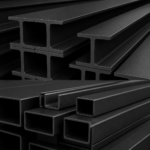
- Hot-dip galvanized steel tube — Q235 or international S275/S335 grade
- 12mm tempered glass panels — heat-soaked, EN 12150 certified
- Mesh fencing (welded or woven) — PVC-coated wire frame
- Gazon synthétique — FIP-approved monofilament, 12–15mm pile height
- Powder coating powder + shot-blasting media — for surface treatment
Raw Material Grade Comparison
| Matériau | Entry-Tier | Standard (FIP-aligned) | Premium |
|---|---|---|---|
| Steel tube grade | Q195 / Q215 | Q235 hot-dip galv. | S355 / S275 (EN) |
| Verre trempé | 10mm, non-HST | 12mm, heat-soaked | 12mm, HST + laminated |
| Mesh wire | 3mm PVC-coated | 4mm PVC-coated | 4mm galv. + PVC double-coat |
| Turf certification | None / generic | Approuvé par la FIP | FIP Pro / WPT-grade |
| Peinture en poudre | Single layer | Qualicoat single coat | Qualicoat Class 2 + zinc primer |
| FOB price impact | −15% to −25% | Valeur de référence | +20% to +35% |
💡 Practical insight: Most B2B buyers should specify “Standard (FIP-aligned)” — it balances cost and durability. Premium grade is only justified for tournament venues or coastal/extreme climates. Entry-tier should be avoided for any outdoor or commercial installation.
How much steel tube does one padel court require?
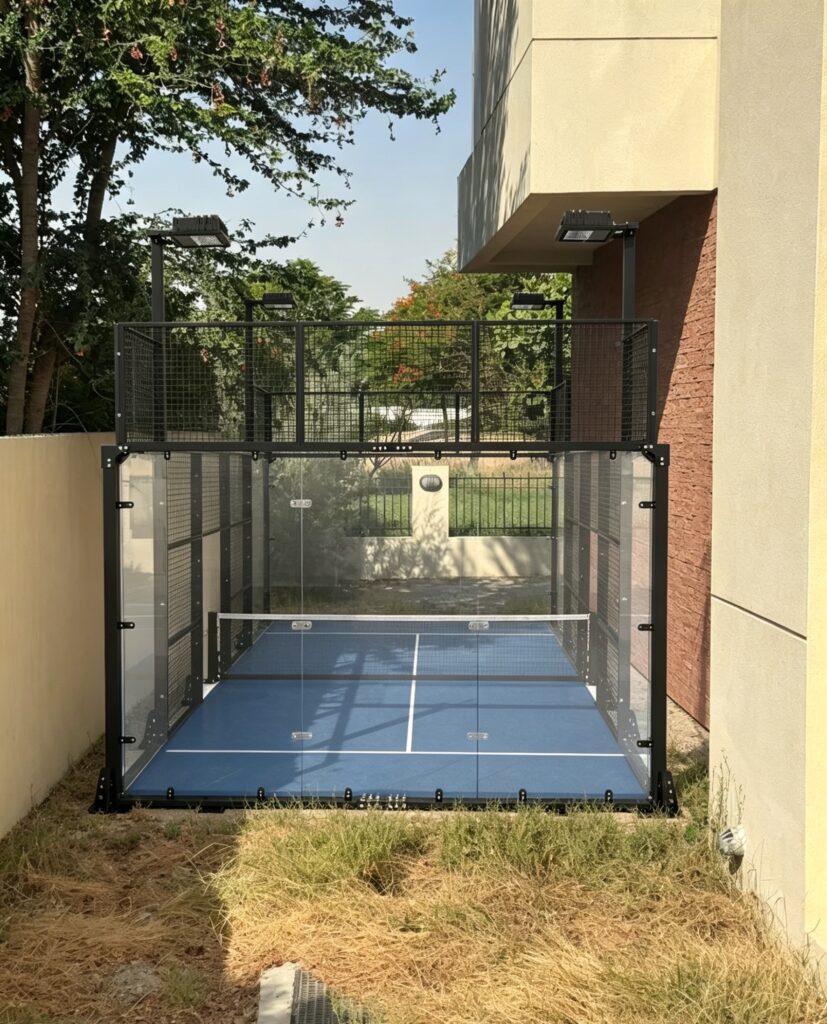
A standard panoramic padel court measures 20m × 10m with enclosure heights of either 3m or 4m. Steel tube consumption ranges from 2 to 3 tons per court.
Classic models use more steel due to denser mesh framing, which is why classic padel court prices run higher than panoramic versions. See our panoramic vs classic comparison for full structural differences.
Steel Consumption by Court Type and Enclosure Height
| Type de tribunal | Enclosure Height | Steel Weight | Avg. Steel Cost (USD) | Includes Light Poles? |
|---|---|---|---|---|
| Panoramic (open back) | 3m | ~1.8 tons | $1,440 | Non |
| Panoramic (open back) | 4m | ~2.4 tons | $1,920 | Non |
| Panoramique complet | 3m | ~2.0 tons | $1,600 | Non |
| Panoramique complet | 4m | ~2.6 tons | $2,080 | Non |
| Classic (mesh + glass) | 3m | ~2.3 tons | $1,840 | Non |
| Classic (mesh + glass) | 4m | ~3.0 tons | $2,400 | Non |
| Any type + lighting | — | +0.2–0.3 tons | +$160–240 | Oui |
💡 Real-world insight: Hebei Province in China — where PanoCourt’s factory is located — is the world’s largest steel-producing region. Identical 3mm Q235 galvanized tube costs USD $700–$1,000/ton here, versus USD $1,200–$1,800/ton in Spain or Western Europe. This single input gap explains most of the price difference between Chinese and European padel court manufacturers — covered in detail in our China vs Spain manufacturer comparison.
What factors affect padel court steel tube pricing?
Steel tube pricing is driven by commodity market rates and five manufacturing variables that buyers should clarify before signing a purchase agreement.
Steel Tube Type Comparison
| Tube Type | Production Method | Price (USD/ton) | Use Case in Padel Courts | Strength |
|---|---|---|---|---|
| ERW Welded | Electric resistance weld | $700–$900 | Standard frames, posts, mesh frames | Bien |
| Seamless | Hot-rolled, extruded | $1,400–$2,200 | Rarely used — overkill for padel | Excellent |
| Spiral Welded | Helical seam | $650–$850 | Large-diameter columns only | Modéré |
| Hot-Dip Galvanized ERW | ERW + zinc bath | $800–$1,000 | Industry standard for padel | Good + corrosion-resistant |
| Pre-galvanized ERW | Galv. coil + welding | $750–$900 | Indoor only — weld seams rust | Modéré |
- Tube type — welded, seamless, or spiral-welded carry significantly different costs
- Diameter and wall thickness — same wall but larger OD = higher cost per meter
- Galvanization method — hot-dip galvanized adds USD $70–$140/ton vs. black steel
- Order volume — bulk orders unlock 5–15% discounts; spot purchases pay retail
- Zinc coating thickness — measured in μm; affects price and lifespan
💡 Practical insight: Always request the mill certificate (材质证明书) showing actual chemical composition and zinc coating thickness in microns. A factory that can’t produce this is either a trading company or running uncertified stock — both are red flags. Our supplier RFQ guide includes the exact documents to request at quote stage.
How can buyers verify steel tube thickness meets spec?
Professional buyers use a calibrated digital caliper or ultrasonic thickness gauge to measure delivered tubes against the contracted specification.
The critical reference point: 3mm wall thickness in padel court contracts refers to the raw tube before welding, shot-blasting, and powder coating. Post-treatment thickness may vary slightly.
Steel Verification Methods & Cost
| Méthode | What It Measures | Coût | Quand l'utiliser ? |
|---|---|---|---|
| Digital caliper | Wall thickness, OD | $20–$50 tool | On-site spot check |
| Ultrasonic gauge | Wall thickness without cutting | $150–$400 tool | QC inspection at factory |
| Magnetic coating gauge | Zinc layer thickness (μm) | $80–$200 tool | Verify hot-dip galv. depth |
| SGS / BV inspection | Full mill cert + dimensions | $300–$800 per audit | Orders > $50K |
| Mill certificate review | Chemistry + tensile strength | Free (request from supplier) | Every order |
- Wall thickness measured at multiple points along each tube
- Zinc coating thickness (should be 60–85 μm for hot-dip)
- Weld seam consistency on welded tubes
- Mill marking and batch traceability
- Third-party SGS or BV test reports for high-value orders
💡 Real-world insight: Request photo or video documentation of incoming raw material inspection before production starts. Reputable padel court manufacturers welcome this — it filters out trading companies pretending to be factories.
How much tempered glass does a padel court use?
A standard panoramic padel court requires approximately 140 m² of 12mm tempered glass, distributed across the back walls and side panels.
Glass is the single highest material risk category — both for safety liability and budget control during padel court installation.
Factors Affecting Tempered Glass Price (per m²)
| Facteur | Spec Option | Price Impact (USD/m²) | Safety Impact |
|---|---|---|---|
| Thickness | 10mm vs 12mm | +$5–$8 for 12mm | 12mm = FIP standard |
| Heat-Soak Test (HST) | With HST vs without | +$2–$4 with HST | HST reduces self-explosion 30× |
| Edge finishing | Ground vs polished | +$1–$2 polished | Polished = safer, longer life |
| Corner treatment | Square vs 6mm chamfer | +$0.50 chamfer | Chamfer prevents chipping |
| Hole drilling | Per hole (clamp mount) | +$1–$2 per hole | Required for clamp systems |
| Tinting / printing | Custom logo on glass | +$8–$15 per m² | Branding only |
| Third-party certification | SGS / BV report | +$1–$2 per m² avg | Required for tournament |
| Origin | China vs EU manufacturer | EU adds $15–$25 per m² | Quality depends on factory, not country |
- Épaisseur : 10mm or 12mm (12mm is the FIP-recommended standard)
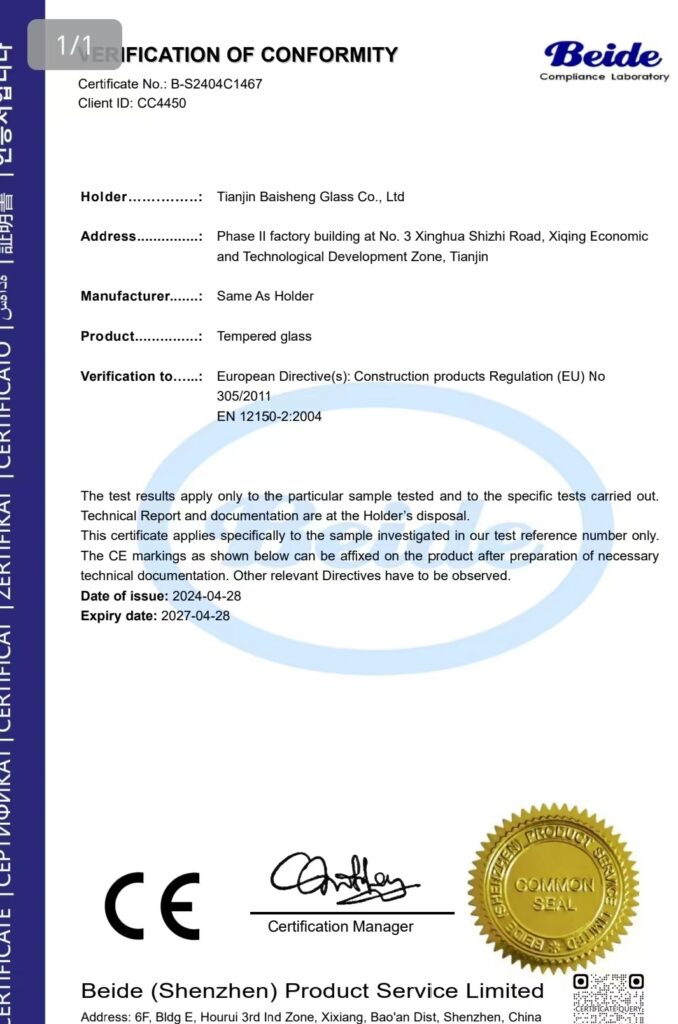
- Treatment: EN 12150-1 tempered + EN 12150-2 heat-soak tested
- Edge finishing: ground and polished, no chips
- Corner radius: 6mm chamfer minimum
- Certifications: SGS or 3C report from accredited lab
💡 Practical insight: Heat-soak testing (HST) reduces spontaneous self-explosion rates from ~3 per 1,000 panels to under 0.1 per 1,000. Factories that skip HST save USD $2–$4 per m² — but pass the liability risk to you. Always require HST documentation in writing.
pano expert insight :
Always insist on certified tempered glass. Padel court glass carries an inherent self-explosion risk, and a single failure is never just a material cost — it cascades into project delays, missed delivery dates, liability exposure, and lasting damage to your commercial reputation. The savings from uncertified glass are measured in dollars per square meter; the losses from a single broken panel are measured in weeks of delay and lost client trust.
How much mesh fencing does a padel court need?
A standard padel court uses approximately 50 m² of welded or woven mesh fencing, mounted into PVC-coated steel frames.
Mesh fencing surrounds the upper portions of the court walls where glass is not installed — typically corners and upper rear sections.
Mesh Fencing Type Comparison
| Mesh Type | Wire Diameter | Coating | Price (USD/m²) | Idéal pour | Lifespan |
|---|---|---|---|---|---|
| Welded wire (PVC-coated) | 4mm | PVC only | $5.50–$7 | Standard indoor / mild climates | 8–10 years |
| Welded wire (double-coat) | 4mm | Galv. + PVC | $8–$11 | Coastal / humid climates | 15+ years |
| Woven chain-link (PVC) | 3 mm | PVC only | $3.50–$5 | Budget builds only | 5 à 7 ans |
| Welded panel (powder-coated) | 4mm | Polyester powder | $7–$9 | Premium aesthetics | 10–12 years |
| FIP-compliant welded | 4mm | Galv. + PVC double-coat | $9–$12 | Terrains de niveau compétition | 15+ years |
- Wire diameter: 4mm pre-coated
- Aperture: 50mm × 50mm (FIP-compliant)
- Coating: PVC or polyester powder, UV-resistant
- Frame: galvanized steel, welded corners
- Tension specification: must withstand ball impact without permanent deformation
💡 Practical insight: Cheap mesh oxidizes within 18–24 months in coastal or high-humidity climates. For projects in the Middle East, Southeast Asia, or coastal Europe, specify double-coated (galvanized + PVC) wire — the $2/m² premium prevents a full mesh replacement after year three.
How much artificial turf does a padel court require?
One padel court needs 210 m² of artificial turf to cover the playing surface, including run-off zones.
Turf quality directly affects ball behavior, player experience, and the court’s competitive certification status under FIP rules.
Artificial Turf Grade Comparison
| Grade | Pile Height | Density (stitches/m²) | Price (USD/m²) | Certification | Use Case |
|---|---|---|---|---|---|
| Recreational | 10mm | 30,000–36,000 | $3.00–$3.80 | Aucun | Low-budget / casual play |
| Club Standard | 12mm | 40,000–44,000 | $4.00–$5.00 | Generic ISO | Commercial clubs |
| FIP-Approved | 12mm | 44,000–48,000 | $5.50–$7.00 | FIP | Standard tournament |
| FIP Pro / WPT-Grade | 12–15mm | 48,000+ | $7.50–$10.00 | FIP Pro | Pro tour venues |
| European Premium (Mondo, Dom Sport) | 12mm | 48,000+ | $12.00–$18.00 | FIP Pro | Elite competition |
- Hauteur de la pile : 12mm or 15mm (FIP standard)
- Material: 100% monofilament polyethylene
- Densité : 40,000–48,000 stitches/m²
- Color options: sand, blue, green, red, terracotta
- Sand infill: 18–22 kg/m² of rounded silica sand
💡 Practical insight: FIP-certified turf is required for tournament-grade courts. Non-certified turf is acceptable for commercial or recreational projects and saves USD $1.50–$2.50/m². Confirm with your end client which certification level they need before quoting.
What other production costs make up a padel court FOB price?
Beyond raw materials, factories layer in surface treatment, hardware, packaging, labor, and overhead — typically 25–35% of the total FOB padel court cost.
Production Cost Components Breakdown
| Élément de coût | USD Range / Court | % of Total FOB | Ce que cela couvre |
|---|---|---|---|
| Raw materials (steel, glass, mesh, turf) | $5,500–$8,500 | 65–75% | BOM line items |
| Shot-blasting + powder coating | $200–$350 | 3–4% | Surface prep + finishing |
| Hardware kit | $120–$200 | 1.5–2% | Bolts, clamps, brackets, gaskets |
| Packaging (wood crates + strapping) | $180–$280 | 2–3% | Glass crates, ISPM-15 wood, corner guards |
| Labor + pre-assembly QC | $100–$200 | 1.5–2.5% | Test assembly, marking, photo docs |
| Factory overhead | $300–$500 | 4–6% | Utilities, depreciation, admin |
| Margin | $600–$1 200 | 8–15% | Factory profit |
| Total FOB (panoramic) | $6,000–$10,000 | 100% | — |
💡 Practical insight: Ask for an itemized quote, not just a total. A factory unwilling to break down costs is either hiding margin or doesn’t know its own BOM — both are red flags for serious B2B buyers.
China vs Spain: Padel Court Raw Material Comparison
Spain is the spiritual home of padel and produces some of the world’s best-engineered courts. China dominates on raw material cost, manufacturing scale, and export logistics. Each origin has clear structural advantages — and weaknesses.
Below is a head-to-head material and process comparison every B2B buyer should review before committing to a sourcing region.
China vs Spain Material Sourcing Comparison
| Catégorie | 🇨🇳 China Advantage | 🇪🇸 Spain Advantage | Cost Delta (per court) | Winner |
|---|---|---|---|---|
| Steel tube (Q235) | Hebei = world’s #1 steel hub; $700–$1,000/ton | Limited domestic mills; imports EU steel; $1,400–$1,800/ton | China saves $1,500–$2,000 | 🇨🇳 China |
| Tempered glass (12mm) | ~65% of global tempered glass produced in China | Higher avg. QC; shorter EU logistics | China saves $1,000–$1,500 | 🇨🇳 China (cost) |
| Heat-soak (HST) standard | Available but not universal — must specify | Standard practice across most factories | Spain more consistent | 🇪🇸 Spain (quality) |
| Gazon synthétique | Lower cost; many FIP-approved factories | Premium EU brands (Mondo, Dom Sport) | China saves $200–$400 | 🇨🇳 China (cost) / 🇪🇸 Spain (premium) |
| Mesh fencing | Lower wire cost; mature manufacturing | Stricter EU corrosion compliance | China saves $100–$200 | 🇨🇳 China |
| Powder coating (Qualicoat) | Improving; Qualicoat-licensed plants available | Long-established Qualicoat compliance | Negligible if spec’d | 🤝 Tie |
| Labor cost | 4–6× cheaper | Higher cost but faster turnaround | China saves $500–$800 | 🇨🇳 China |
| Sea freight to EU | $1,200–$1,800 / 40HQ (~$300–$400 per court) | None (local delivery) | Spain saves shipping cost | 🇪🇸 Spain (logistics) |
| Délai de livraison | 30 days production + 30 days sea | 15–20 days + local delivery | Spain faster by 30+ days | 🇪🇸 Spain (speed) |
| QC consistency | Highly factory-dependent | More homogeneous across suppliers | — | 🇪🇸 Spain (consistency) |
| FOB per court (panoramic) | $6,000–$10,000 | $10,000–$16,000 | China saves $4,000–$6,000 | 🇨🇳 China |
💡 Strategic verdict: For projects valuing cost efficiency at scale (10+ courts), Chinese padel court manufacturers are the obvious choice. For premium tournament installations needing local lead time and consistent QC without due diligence, Spanish or other EU manufacturers may justify the 40–60% premium. The right answer depends on project type — not nationalism. For a deeper analysis, see our 2026 China vs Spain vs Europe manufacturer comparison.
Why choose a China padel court factory over European suppliers?
China padel court factories — particularly those in Hebei Province — combine the world’s largest steel supply base with mature export infrastructure, producing 30–50% cost savings versus European padel court manufacturers.
- Steel input cost — USD $300–$800/ton cheaper than EU mills
- Glass production scale — China produces ~65% of global tempered glass
- Labor cost differential — 4–6× lower than Spain or Italy
- Container loading efficiency — typically 4–5 panoramic courts per 40HQ
- Documents d'exportation — mature systems for EU, Middle East, North America
💡 Practical insight: The cost gap is real, but supplier selection matters more than country of origin. A poorly-built Chinese court costs the same to ship as a well-built one — and replacement glass takes 60+ days by sea. Choose factories with documented export experience to your specific market. See our verified shortlist of the best padel court manufacturers in China.
How does padel court installation affect total project cost?
Padel court installation cost typically adds USD $3,000–$6,000 per court on top of the FOB factory price, depending on site conditions and local labor rates.
For B2B distributors and contractors, installation is the largest variable in landed project pricing. See our full padel court construction guide for phase-by-phase build planning.
Installation Cost by Region (per court)
| Region | Foundation | Labor | Lighting + Electric | PM + Travel | Total Install (USD) |
|---|---|---|---|---|---|
| États-Unis | $2,500–$4,000 | $1,500–$3,000 | $600–$1 200 | $800–$2,000 | $5,400–$10,200 |
| Western Europe | $2,200–$3,800 | $1 200 – $2 500 | $500–$1,000 | $700–$1,800 | $4,600–$9,100 |
| Middle East (GCC) | $1,500–$2,800 | $700–$1,500 | $400–$800 | $600–$1,500 | $3,200–$6,600 |
| Southeast Asia | $1,000–$2,000 | $400–$900 | $300–$600 | $500–$1,200 | $2,200–$4,700 |
| Latin America | $1 200 – $2 500 | $500–$1,100 | $350–$700 | $600–$1,400 | $2,650–$5,700 |
💡 Practical insight: Some Chinese factories offer overseas installation supervision (engineer dispatched on-site) for USD $150–$250/day plus flights. For first-time importers, this is worth the cost — installation errors crack glass panels and void warranties.
Expert Opinion: How to Evaluate a Padel Court Manufacturer in 2026
After five years of producing padel courts for export markets across Europe, the Middle East, and the Americas, three patterns consistently separate reliable manufacturers from problem suppliers.
“The cheapest FOB quote is almost always the most expensive landed cost. We see B2B buyers lose USD $15,000–$30,000 on glass replacement, install rework, and project delays — all to save USD $2,000 per court at the quote stage. The factories that win long-term aren’t the cheapest. They’re the ones that ship 4% spare glass without being asked, answer technical drawings in English within 24 hours, and put delivery penalties in the contract.”
— PanoCourt Engineering Team, Hebei Factory
The Three Filters We Recommend Every Buyer Apply
| Filter | What to Demand | Red Flag if Missing |
|---|---|---|
| 1. Material Transparency | Itemized BOM, mill certificates, HST reports | Only renders + total price |
| 2. Export Track Record | 3+ completed projects in your region with contactable references | “We have many clients” without specifics |
| 3. Communication Discipline | 24-hour technical response in English; CAD drawings; install videos | Vague timelines and stalled questions |
💡 Founder insight from PanoCourt: If your supplier can’t tell you exactly how many panoramic courts fit in a 40HQ — or won’t show you a real photo of one of their loaded containers — they have not exported at scale. That single question separates real factories from trading companies more reliably than any certificate.
Conclusion: Choosing the Right Padel Court Manufacturer in 2026
Padel court manufacturer pricing in 2026 is transparent if you understand the BOM. Raw materials drive 65–75% of cost; the rest is processing, packaging, and margin.
The cheapest quote is rarely the best deal — heat-soaked glass, hot-dip galvanized steel, and verified export experience matter more than headline FOB price.
For B2B buyers evaluating Chinese factories, the right fabricant de terrains de padel combines material quality, documented certifications, container-load efficiency, and post-sale support.
PanoCourt builds panoramique, full panoramic, et terrain de padel classique models to FIP and EN standards from our Hebei factory. Request our 2026 quotation package for itemized BOM pricing on all seven court models.
About PanoCourt: A Decade of Padel Court Manufacturer
PanoCourt is built on more than 10 years of focused padel court manufacturing experience, backed by Hebei Province’s world-leading steel production base and a fully integrated, in-house production chain.
Unlike trading companies or assembly-only suppliers, we control every step of the production process: raw material sourcing, steel cutting and welding, hot-dip galvanizing, shot-blasting, powder coating, tempered glass verification, mesh fabrication, and final pre-shipment QC. This vertical integration is what allows us to guarantee material specifications down to the micron of zinc coating thickness — and to pass the resulting cost savings to our B2B clients.
Our raw material standard is non-negotiable. Every batch of Q235 steel tube is mill-certified, every glass panel is heat-soak tested per EN 12150-2, and every finished court passes a multi-stage QC checklist before crating. The process advantage is structural: by sitting at the world’s largest steel manufacturing hub, we source 3mm hot-dip galvanized Q235 tubes at prices European competitors simply cannot match — without compromising on certification or wall thickness.
PanoCourt by the numbers:
- ✅ 10+ years of dedicated padel court manufacturing experience
- ✅ 500+ projects successfully delivered across 30+ countries
- ✅ Direct mill access in Hebei for the world’s best Q235 steel pricing
- ✅ New product launches every month — continuously evolving panoramic, full panoramic, classic, and portable court models
- ✅ Full customization available: RAL color matching, branded glass printing, custom turf colors, FIP-grade specifications, and modular configurations for clubs, schools, hotels, and tournament venues
- ✅ End-to-end production control — from raw steel coil to FOB-loaded container
Whether you’re an EPC contractor sourcing for a multi-court installation, a distributor building regional inventory, or an investor launching a new padel club, PanoCourt’s manufacturing depth, export track record, and customization flexibility translate directly into shorter lead times, lower landed cost, and predictable project delivery.
Foire aux questions
1. How do I verify a padel court manufacturer’s glass quality and certification?
Request EN 12150-1 (tempering) and EN 12150-2 (heat-soak) certificates from an accredited third party — SGS, BV, or TÜV, not factory-printed PDFs. Also confirm actual thickness with calipers on arrival; some factories label 12mm but ship 10mm. If a supplier provides only renders and refuses certificates, walk away.
2. What’s the difference between hot-dip galvanized and powder-coated-only steel?
Hot-dip galvanizing immerses steel in molten zinc, creating a 60–85μm corrosion-resistant layer that lasts 15–25 years. Powder-coated-only steel rusts within 24 months in humid or coastal climates. For outdoor padel courts, hot-dip galvanization is non-negotiable — always request the zinc thickness in microns.
3. How many padel courts fit in a 40HQ container?
A well-packed 40HQ typically holds 4–5 panoramic padel courts including glass, steel, mesh, turf, and hardware. Factories that can’t give you a specific number have likely never exported. This number directly determines your per-court shipping cost — ask before signing.
4. What’s the typical glass breakage rate during shipping, and who pays?
Industry average breakage runs 2–5% of panels with proper crating. Reputable padel court manufacturers ship 3–5% spare panels free of charge and replace any additional breakage at cost. Get the spare-panel policy in writing before order confirmation — replacement glass takes 45–60 days by sea.
5. How reliable are padel court manufacturer delivery times?
Production lead time is typically 25–40 days after deposit, plus 25–35 days sea freight. Reliable factories commit to delivery dates in writing with penalty clauses for delay. Vague answers like “soon” or “around 30 days” indicate either inexperience or overcapacity — both will hurt your grand opening date.
6. How do I tell a real padel court factory from a trading company?
Demand a live video factory tour (not edited footage), check export records via your shipping forwarder, and ask for completed project photos with verifiable client contacts — not renders. Real factories answer technical questions instantly in English; trading companies stall and “check with engineering.”
7. What warranty terms should I expect from a padel court manufacturer?
Expect 10 years on steel structure, 5 years on glass against manufacturing defects, et 2–3 years on hardware. Warranties must be split by component — a single “warranty” without breakdown is unenforceable. Also confirm spare parts availability for 10+ years; small factories often disappear after 3–5 years.
8. What’s the difference between panoramic padel court and classic padel court pricing?
Panoramic courts (FOB USD $6,000–$10,000) use minimal steel framing with maximum glass for visibility — preferred by clubs and broadcasters. Classic courts (FOB USD $8,000–$12,000) use more steel and mesh, costing more in raw materials but offering simpler glass replacement. Full panoramic models sit between the two on price.
9. Can I customize padel court colors and branding from a China padel court factory?
Yes — most manufacturers offer custom powder coating colors (RAL chart), custom turf colors, and printed graphics on glass or turf for branding. Custom colors add USD $200–$500 per court and 5–10 days to lead time. Provide your RAL codes and brand artwork at the quote stage to avoid revisions.
10. How should I evaluate technical communication quality from a supplier?
A professional padel court manufacturer responds within 24 hours, sends detailed technical drawings (not just renders), provides installation videos in English, and can discuss FIP specifications fluently. Slow or vague technical communication is itself a quality signal — production problems will follow the same pattern.