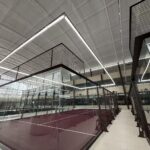
Mengubah ruang dalam ruangan yang sudah ada—seperti lapangan tenis, gedung olahraga, gudang, atau unit ritel—menjadi sebuah lapangan padel Fasilitas ini merupakan salah satu peluang investasi padel paling menjanjikan di tahun 2026. Kombinasi antara biaya teknik sipil yang lebih rendah, waktu persetujuan perencanaan yang lebih cepat, dan infrastruktur pengunjung yang sudah ada membuat konversi gedung indoor jauh lebih efisien dari segi modal dibandingkan pengembangan dari nol di banyak pasar perkotaan.
Namun, konversi di dalam ruangan juga menimbulkan kendala teknis yang biasanya pembangunan lapangan padel hal-hal yang tidak dibahas secara memadai dalam panduan: batasan ketinggian langit-langit, batasan beban lantai, persyaratan akustik, Integrasi HVAC, serta kepatuhan terhadap peraturan keselamatan kebakaran. Panduan ini memberikan kerangka kerja teknis dan komersial yang lengkap untuk konversi lapangan padel dalam ruangan—apa yang berhasil, apa yang gagal, dan apa yang Anda produsen lapangan padel hal-hal yang perlu mereka ketahui sebelum mengirimkan penawaran harga kepada Anda.
Mengapa Konversi Lapangan Padel Dalam Ruangan Semakin Marak pada Tahun 2026
Beberapa faktor pasar yang saling bersinergi telah menjadikan konversi ruang dalam sebagai tren yang dominan pembangunan fasilitas padel model di Eropa Utara, Amerika Serikat, dan pasar-pasar Asia yang sedang berkembang:
- Tingkat kekosongan pasca-penjualan: Krisis ritel pada periode 2020–2024 telah menyebabkan tersedianya sejumlah besar ruang ritel perkotaan (1.000–5.000 m²) dengan harga sewa di bawah harga pasar—yang sangat cocok sebagai lokasi fasilitas padel dengan area parkir yang sudah tersedia
- Gedung olahraga yang kurang dimanfaatkan: Fasilitas tenis dalam ruangan milik pemerintah kota, pusat squash, dan gedung olahraga serbaguna yang jumlah anggotanya terus menurun merupakan kandidat potensial untuk dikonversi
- Efisiensi perencanaan: Perubahan fungsi pada bangunan yang sudah ada sering kali dapat menghindari proses perizinan tata ruang yang memakan waktu lama, yang biasanya diperlukan untuk pembangunan fasilitas olahraga baru
- Ketahanan terhadap cuaca: Fasilitas dalam ruangan menghilangkan risiko pendapatan musiman yang membatasi klub padel luar ruangan di Eropa Utara, Amerika Utara, dan pasar-pasar di Asia yang terkena musim hujan
- Posisi merek premium sepanjang tahun: Fasilitas dalam ruangan memiliki tarif sewa per jam yang 15–25% lebih tinggi daripada fasilitas luar ruangan yang setara di pasar yang sebanding
Menurut Laporan Padel Global Playtomic & PwC 2025, lebih dari 40% fasilitas padel baru yang dibuka di Eropa Utara pada tahun 2025 merupakan hasil konversi gedung yang sudah ada, bukan pembangunan dari nol—sebuah tren yang semakin menguat menjelang tahun 2026.
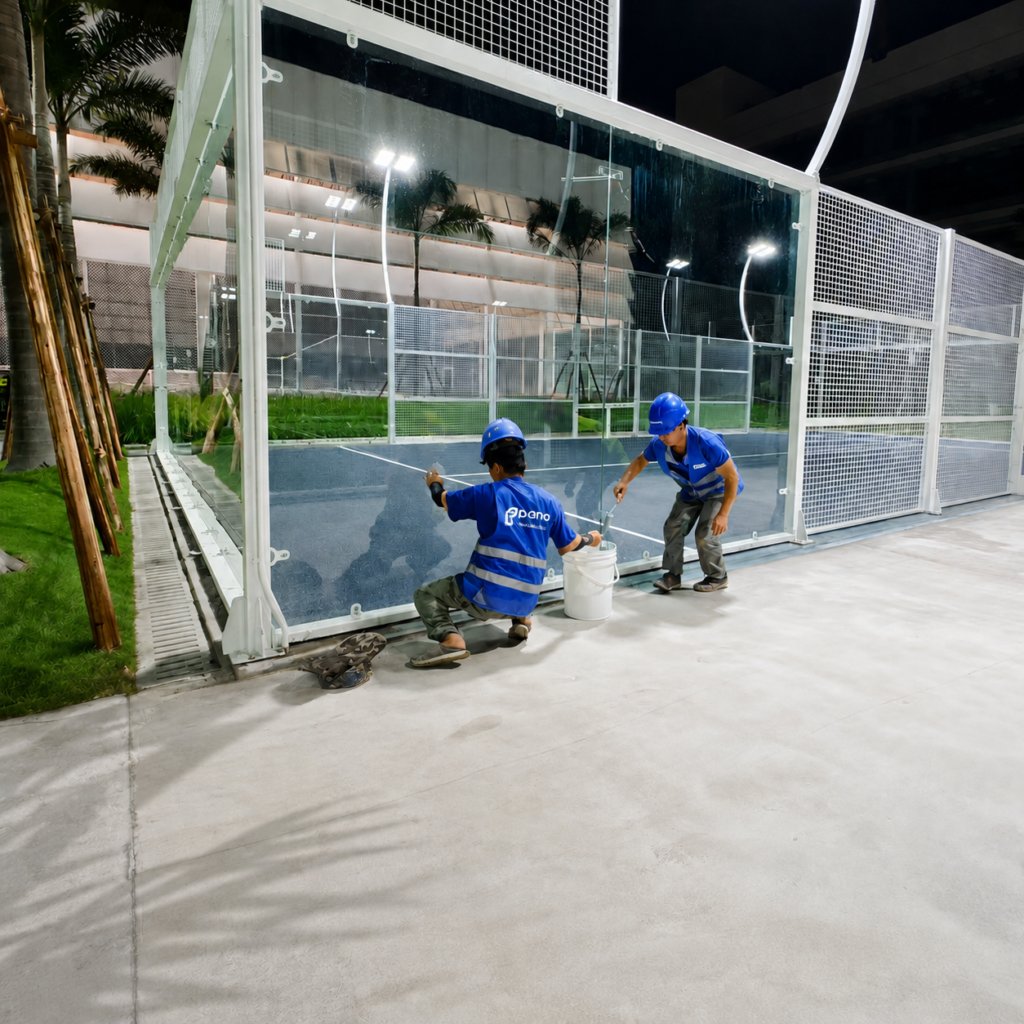
Persyaratan Tinggi Langit-Langit yang Kritis: Kesalahan yang Sering Dilakukan oleh Sebagian Besar Panduan
Persyaratan ketinggian langit-langit merupakan kendala kelayakan yang paling penting dalam proses konversi lapangan padel dalam ruangan. Pedoman teknis FIP menetapkan:
- Rekomendasi minimum: Tinggi bebas 8,0 m di tengah lapangan (diukur hingga penghalang terendah—struktur atap, balok, perlengkapan pencahayaan, atau saluran HVAC)
- Kompromi yang dapat diterapkan: 7,0–8,0 m — masih bisa dimainkan meski dengan beberapa keterbatasan pada pukulan lob tinggi; cocok untuk permainan rekreasi dan tingkat menengah di klub
- Ambang batas yang menantang: 6,5–7,0 m — pembatasan lemparan yang signifikan; pemain tingkat kompetitif menyadarinya dan keberatan; tidak disarankan untuk klub yang menargetkan pemain tingkat lanjut atau pertandingan liga
- Tidak layak: Di bawah 6,5 m — permainan ini pada dasarnya tidak layak; investasi tidak disarankan kecuali sebagai fasilitas permainan santai murni untuk hiburan
Titik pengukuran yang krusial adalah hambatan terendah yang berada tepat di atas area permainan—bukan ketinggian atap di dinding tepi. Balok struktural, rangka lampu, saluran HVAC, dan sistem sprinkler semuanya mengurangi ketinggian bebas. Kesalahan umum: mengukur hingga bagian bawah dek atap dan mendapati bahwa instalasi yang ada mengurangi ketinggian bebas hingga di bawah batas minimum setelah tahap desain.
Cara Mengukur Tinggi Bebas Secara Akurat
Protokol untuk menilai kelayakan konversi dalam ruangan yang akurat:
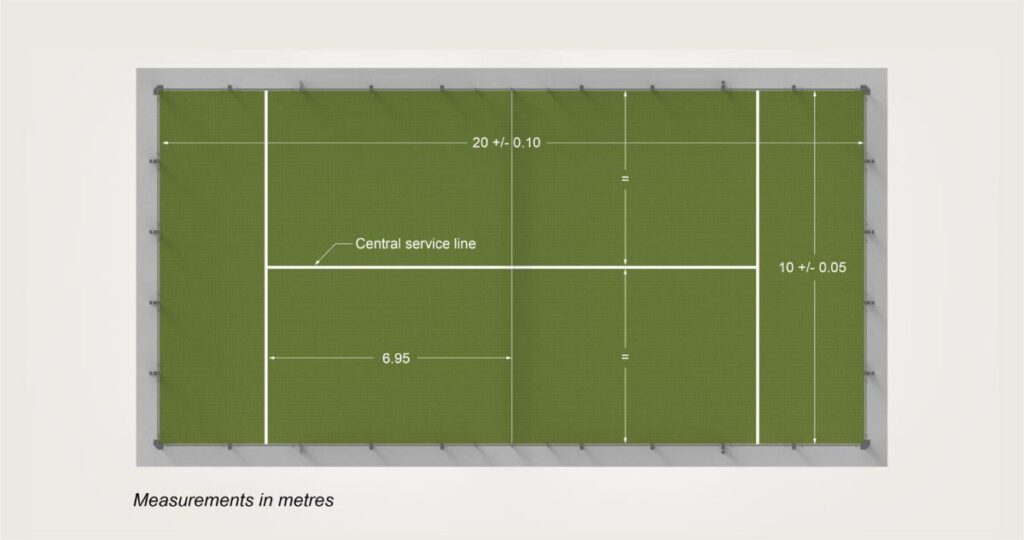
- Tentukan luas lapangan yang tepat di dalam gedung (luas lapangan permainan 20 m × 10 m + area di sekitar lapangan = sekitar 26 m × 12 m)
- Ukur ketinggian struktur langit-langit/atap pada 9 titik pengukuran di seluruh area bangunan ini
- Identifikasi semua instalasi (balok, saluran udara, pipa kabel, sprinkler) di dalam area bangunan dan catat ketinggian titik terendahnya
- Hitung ketinggian bebas minimum di seluruh area bangunan—inilah batasan yang sebenarnya
- Rencanakan agar sistem layanan baru (HVAC, pencahayaan, kelistrikan) dipasang di sepanjang garis kolom, bukan melintasi lapangan, guna memaksimalkan ketinggian bebas di garis tengah
Konversi Lapangan Tenis Menjadi Lapangan Padel: Skenario yang Paling Umum
Mengubah lapangan tenis dalam ruangan yang sudah ada menjadi lapangan padel merupakan skenario konversi yang paling umum di seluruh dunia, didorong oleh menurunnya jumlah pemain tenis dan pertumbuhan padel yang pesat. Aspek ekonominya sangat menarik:
Aritmatika Luar Angkasa
Luas lahan standar lapangan tenis tunggal (36 m × 18 m termasuk area tambahan di tepi lapangan) dapat menampung tepat 2 lapangan padel yang berdampingan (masing-masing membutuhkan sekitar 26 m × 12 m) dengan modifikasi struktural minimal. Lapangan tenis ganda (36 m × 18 m + area tambahan ≈ 42 m × 22 m) dapat menampung 2 lapangan padel ditambah koridor akses bersama. Konversi penggunaan lahan 2-untuk-1 ini merupakan pendorong ekonomi utama dari proyek-proyek konversi lapangan tenis menjadi lapangan padel.
Tinggi Langit-langit di Fasilitas Tenis
Fasilitas tenis dalam ruangan biasanya dirancang dengan ketinggian bebas 7,5–10 m, sehingga secara alami cocok untuk diubah menjadi lapangan padel. Sebagian besar pusat tenis dalam ruangan yang dibangun khusus memiliki ketinggian bebas yang memadai. Gedung olahraga serbaguna yang lebih tua mungkin memiliki ruang yang lebih sempit—selalu pastikan sesuai dengan standar minimum FIP seperti yang disebutkan di atas.
Spesifikasi Lantai
Lantai lapangan tenis yang ada saat ini (lapangan keras akrilik, karpet dalam ruangan, atau poliuretan cor) perlu dievaluasi untuk penggunaan padel:
- Permukaan tenis akrilik keras: umumnya digunakan sebagai substrat dasar untuk pemasangan lapangan padel. Memerlukan pembersihan menyeluruh dan pengikisan mekanis untuk meningkatkan daya rekat. Tidak cocok jika terdapat retakan yang signifikan atau permukaan yang tidak rata
- Permukaan karpet di dalam ruangan: harus dilepas seluruhnya; rumput sintetis harus dipasang di atas substrat pelat beton
- Beton yang dipoles: substrat yang sangat baik untuk lapangan padel; pastikan kerataan permukaan memenuhi toleransi ±3 mm di sepanjang lapangan sepanjang 20 m
Peran Produsen Lapangan Padel dalam Konversi Lapangan Tenis
Kualitas produsen lapangan padel untuk renovasi ruangan dalam menyediakan:
- Pilihan rangka non-penetrasi (berdiri di lantai) untuk situasi di mana pengeboran pada pelat lantai yang sudah ada tidak disarankan atau dilarang oleh perjanjian sewa bangunan
- Pelat dasar kolom berprofil rendah yang meminimalkan risiko tersandung di sekeliling lapangan
- Bagian rangka modular yang ukurannya disesuaikan agar dapat melewati pintu akses bangunan standar (hal ini penting jika peralatan harus dibawa melalui koridor, bukan melalui dermaga bongkar muat)
- Gambar teknik yang menunjukkan integrasi struktur lapangan dengan kolom dan garis balok bangunan yang sudah ada
Untuk memahami sepenuhnya apa yang membedakan produsen berkualitas: Cara Mengevaluasi Pemasok Lapangan Padel: Panduan Lengkap Permohonan Penawaran (RFQ) dan Uji Tuntas 2026.
Konversi Gudang dan Unit Ritel: Peluang Baru
Konversi ruang ritel kosong, gudang logistik, dan unit industri menjadi pusat padel merupakan kategori konversi dengan pertumbuhan tertinggi pada tahun 2025–2026. Faktor-faktor kelayakan utama:
Kapasitas Beban Lantai
Lapangan padel memerlukan beban titik pada posisi jangkar dasar kolom. Beban reaksi dasar kolom lapangan padel standar (angin + operasional): 5–15 kN vertikal per kelompok baut jangkar, yang didistribusikan pada pelat dasar berukuran 300 × 300 mm. Sebagian besar pelat beton gudang (ketebalan minimal 150 mm, beton C30) dapat menahan beban ini tanpa perlu penguatan. Lantai ritel dengan ubin di atas screed mungkin memerlukan verifikasi—silakan berkonsultasi dengan insinyur struktur jika spesifikasi lantai tidak diketahui.
Persyaratan Pencahayaan
Gudang dan unit ritel sering kali sudah dilengkapi dengan pencahayaan LED high-bay. Perlengkapan pencahayaan ini hampir tidak pernah sesuai untuk digunakan di lapangan padel karena jenis luminer, ketinggian pemasangan, dan pola distribusi cahayanya yang tidak tepat. Penerangan LED khusus lapangan padel yang baru (penerangan olahraga terarah yang dioptimalkan untuk permukaan permainan vertikal) harus dipasang. Anggaran: $2.500–$5.000 per lapangan untuk penerangan LED di lingkungan dalam ruangan, termasuk braket pemasangan dan sambungan listrik ke panel distribusi yang sudah ada.
HVAC dan Ventilasi
Fasilitas padel dalam ruangan memerlukan pertukaran udara yang memadai untuk mengendalikan kelembapan akibat napas dan keringat pemain—hal ini sangat penting baik untuk kenyamanan pemain maupun umur pakai lapangan rumput sintetis dan permukaan baja. Minimum: 6–8 kali pertukaran udara per jam (ACH) untuk ruang padel. Di iklim dingin, unit ventilasi pemulihan panas (HRV) mengurangi biaya energi pemanasan dengan memulihkan 70–80% energi panas dari udara buangan. Anggaran: $15.000–$40.000 untuk sistem HVAC pada gedung dalam ruangan dengan 4–6 lapangan, yang sangat bervariasi tergantung pada ukuran bangunan dan sistem saluran udara yang sudah ada.
Perlakuan Akustik
Padel adalah olahraga yang berisik di lingkungan tertutup berbahan kaca—benturan bola pada kaca menghasilkan suara benturan yang cukup keras (puncak 85–95 dB), dan dinding kaca tersebut memantulkan suara ke seluruh ruangan. Untuk fasilitas yang terletak di dekat kawasan pemukiman atau yang memiliki area kafe/resepsionis terbuka yang bersebelahan dengan lapangan:
- Panel dinding akustik pada dinding perimeter bangunan (panel akustik dengan lapisan wol mineral setebal 50–100 mm, NRC >0,80)
- Isolasi anti-getaran pada sambungan dasar kolom lapangan (bantalan neoprene, Shore A 50–60)
- Perlakuan akustik pada langit-langit di mana langit-langit bangunan berada tepat di atas lapangan (ubin akustik berlubang atau baffle yang digantung)
Anggaran untuk peredaman suara: $8.000–$25.000 untuk gedung dengan 4 lapangan—angka ini sangat bervariasi tergantung pada kondisi akustik bangunan yang ada dan persyaratan peraturan kebisingan setempat.
Rincian Biaya Lapangan Padel Dalam Ruangan: Proyek Konversi
| Pos CAPEX | Konversi Gudang 4-Court | Konversi Kotak Ritel 6 Lapangan |
|---|---|---|
| Lapangan padel (CIF, produsen asal Tiongkok) | $88.000–$120.000 | $132.000–$180.000 |
| Bea masuk + PPN (tergantung negara) | $18.000–$30.000 | $26.000–$45.000 |
| Persiapan bangunan (lantai, dinding) | $15.000–$35.000 | $20.000–$50.000 |
| Biaya pemasangan di pengadilan | $12.000–$20.000 | $18.000–$30.000 |
| Sistem HVAC | $20.000–$45.000 | $30.000–$65.000 |
| Penerangan (lampu LED khusus olahraga) | $12.000–$22.000 | $16.000–$32.000 |
| Resepsionis, ruang ganti, ruang penyimpanan | $20.000–$50.000 | $30.000–$70.000 |
| Perlakuan akustik | $8.000–$20.000 | $12.000–$28.000 |
| Keamanan kebakaran (sistem sprinkler, pintu darurat) | $5.000–$15.000 | $8.000–$22.000 |
| Papan petunjuk, perabotan, peralatan | $5.000–$12.000 | $8.000–$18.000 |
| Kisaran Total Belanja Modal (CAPEX) | $203.000–$369.000 | $300.000–$540.000 |
Angka-angka ini tidak termasuk uang jaminan sewa, modal kerja, dan modifikasi struktural besar apa pun. Untuk perbandingan fasilitas luar ruangan: Berapa Biaya Pembangunan Lapangan Padel?
Memilih Lapangan Padel yang Tepat untuk Pemasangan di Dalam Ruangan
Di dalam ruangan lapangan padel Pemilihan ini memiliki beberapa pertimbangan khusus dibandingkan dengan pemasangan di luar ruangan:
Spesifikasi Kaca: Uji Heat Soak Lebih Penting di Ruangan Tertutup
Kerusakan kaca secara tiba-tiba lebih mengganggu di dalam ruangan (penutupan gedung demi keselamatan) daripada di luar ruangan (pembatasan sementara akses ke lapangan). Kaca yang telah lulus uji Heat Soak Test (HST) sesuai standar EN 14179-1 sangat direkomendasikan untuk pemasangan di dalam ruangan. Biaya gangguan akibat pecahnya kaca yang tidak direncanakan di fasilitas dalam ruangan yang ditutup membenarkan premi HST sebesar $150–$250 per lapangan dengan lebih jelas dibandingkan dengan alternatif di luar ruangan.
Spesifikasi Korosi: Ditingkatkan untuk Lingkungan Dalam Ruangan yang Terkendali
Gedung padel dalam ruangan yang berventilasi baik termasuk dalam lingkungan korosi kategori C1–C2—yang jauh lebih tidak agresif dibandingkan lingkungan luar ruangan. Lapisan galvanis celup panas standar 85 µm sudah sepenuhnya memadai; spesifikasi 100 µm untuk daerah pesisir tidak diperlukan. Hal ini menghasilkan penghematan biaya yang sedikit pada spesifikasi baja untuk proyek-proyek dalam ruangan.
Panoramic Courts: Standar untuk Lapangan Komersial Dalam Ruangan
Fasilitas padel dalam ruangan hampir secara universal menggunakan lapangan padel dengan pemandangan panorama—keterbukaan visual yang ditawarkan oleh dinding kaca justru lebih penting di dalam ruangan, di mana dinding padat lapangan padel klasik akan menciptakan lingkungan bermain yang sesak dan menghalangi pandangan penonton. Penutup kaca tersebut juga memaksimalkan masuknya cahaya alami (hal ini penting di tempat-tempat yang memiliki area jendela terbatas, seperti pada bangunan bekas gudang yang telah direnovasi).
Lihat rangkaian lengkap produk lapangan tenis panorama dari PanoCourt: 3 Pabrik Lapangan Padel Terbaik di Tiongkok: Panduan Pembeli 2026.
Dukungan Konversi Ruang Dalam PanoCourt
PanoCourt telah memasok sistem lapangan tenis untuk proyek konversi ruang dalam ruangan di seluruh Eropa, Asia, dan Amerika. Layanan khusus ruang dalam ruangan kami:
- Pilihan rangka yang dipasang di lantai (tanpa pengeboran) untuk bangunan sewaan yang melarang pengeboran
- Pengiriman rangka modular yang dioptimalkan untuk akses ke bangunan (ukuran panel disesuaikan dengan lebar pintu standar)
- Rekomendasi spesifikasi pencahayaan dalam ruangan, termasuk simulasi fotometrik
- Paket gambar teknik integrasi bangunan (DWG) yang menunjukkan tata letak lapangan tenis relatif terhadap kolom bangunan yang ada, pintu keluar darurat, dan instalasi utilitas
- Peningkatan kaca HST tersedia sebagai fitur standar untuk pesanan di dalam ruangan
Berencana Mengubah Ruangan Menjadi Lapangan Padel? Mulailah dengan PanoCourt
Beritahukan kepada kami dimensi bangunan, tinggi langit-langit, dan segmen pasar yang dituju, dan tim teknis PanoCourt akan menyusun usulan tata letak serta perkiraan biaya terperinci dalam waktu 48 jam — tanpa biaya apa pun.
→ Minta Denah Konversi Ruang Dalam dan Penawaran Harga
Pertanyaan yang Sering Diajukan: Pembangunan Lapangan Padel Dalam Ruangan dan Konversi
Berapa tinggi langit-langit minimum untuk lapangan padel dalam ruangan?
Pedoman teknis FIP menetapkan ketinggian bebas minimum 8,0 m di bagian tengah jaring untuk permainan padel dalam ruangan standar. Pada ketinggian 7,0–8,0 m, permainan masih dapat dilakukan untuk tingkat rekreasi dan menengah dengan pembatasan lob yang ringan. Di bawah 7,0 m, permainan kompetitif akan sangat terganggu. Ketinggian bebas minimum yang praktis untuk perencanaan adalah 7,0 m, diukur hingga hambatan terendah (balok, saluran, atau perlengkapan pencahayaan) yang berada tepat di atas area permainan. Selalu ukur hingga hambatan terburuk, bukan ketinggian dek atap.
Apakah saya bisa mengubah lapangan tenis menjadi lapangan padel?
Ya, dan ini merupakan salah satu skenario konversi lapangan padel yang paling menarik secara ekonomi. Luas lapangan tenis ganda dalam ruangan standar (sekitar 42 m × 22 m) dapat menampung 2 lapangan padel berdampingan dengan ruang untuk koridor layanan bersama. Lempengan beton dan struktur bangunan yang sudah ada secara signifikan mengurangi biaya modal (CAPEX) konversi dibandingkan dengan pembangunan dari nol. Persyaratan teknis utama: pastikan ketinggian langit-langit memenuhi standar minimum 7,0 m atau lebih; nilai toleransi kerataan lantai (±3 mm per 20 m); dan lepaskan jaring tenis, tiang, serta garis marka yang ada sebelum pemasangan rumput padel.
Berapa biaya yang diperlukan untuk mengubah sebuah gudang menjadi fasilitas padel?
Total biaya modal (CAPEX) untuk pembangunan fasilitas padel dengan 4 lapangan berkisar antara $200.000–$370.000, tergantung pada kondisi bangunan, spesifikasi lapangan, dan negara tempat pemasangan. Lapangan-lapangan tersebut sendiri (dari Tiongkok produsen lapangan padel (CIF ditambah bea masuk) mencakup $106.000–$150.000 dari total tersebut; sedangkan sistem HVAC, pencahayaan, peredam suara, dan penyempurnaan fasilitas mencakup sisanya. Pemodelan pendapatan dapat mencapai masa pengembalian modal dalam 18–30 bulan di pasar dengan permintaan padel yang tinggi dan persediaan lapangan yang terbatas.
Apakah lapangan padel dalam ruangan memerlukan spesifikasi yang berbeda dari lapangan luar ruangan?
Ya, dengan beberapa perbedaan utama: (1) Spesifikasi ketahanan korosi dapat menggunakan standar (lingkungan C1–C2), sehingga menghilangkan biaya tambahan untuk wilayah pesisir; (2) Kaca HST lebih direkomendasikan untuk penggunaan di dalam ruangan karena biaya gangguan yang lebih tinggi akibat kegagalan mendadak; (3) Persyaratan stabilisasi UV untuk rumput sintetis berkurang secara signifikan (cahaya buatan, bukan sinar UV matahari); (4) Persyaratan struktural beban angin tidak berlaku (lingkungan dalam ruangan yang terkendali); (5) Sistem jangkar yang ditanam di lantai mungkin lebih disukai daripada jangkar yang dibor pada bangunan sewaan. Spesifikasi bahan inti—kaca tempered 12 mm, baja galvanis S355—tetap sama dengan yang digunakan di luar ruangan.
Izin perencanaan apa saja yang diperlukan untuk mengubah ruangan menjadi lapangan padel dalam ruangan?
Persyaratan sangat bervariasi tergantung pada yurisdiksi. Di banyak pasar, mengubah bangunan yang sudah ada menjadi fasilitas olahraga hanya memerlukan izin perubahan peruntukan (lebih cepat daripada izin perencanaan untuk pembangunan baru). Pertimbangan utama: keselamatan kebakaran (sistem sprinkler, pintu darurat, perhitungan kapasitas penghuni); penilaian struktural jika menambahkan beban baru pada lantai atau atap yang sudah ada; dampak kebisingan/getaran jika berdekatan dengan kawasan perumahan atau penggunaan yang sensitif terhadap kebisingan; kecukupan tempat parkir untuk kapasitas puncak klub. Sangat disarankan untuk memulai dengan diskusi pra-permohonan dengan otoritas perencanaan setempat sebelum memutuskan untuk menyewa atau membeli.
Apakah saya bisa memasang lapangan padel di dalam gedung tanpa perlu mengebor lantai?
Ya. Sistem lapangan padel yang berdiri di lantai (dengan alas pemberat) memang dirancang khusus untuk bangunan di mana pengeboran pada pelat beton dilarang oleh perjanjian sewa atau tidak praktis dilakukan. Sistem ini menggunakan pelat alas pemberat yang berat (terbuat dari beton atau baja) alih-alih baut jangkar yang dicor. Sistem ini lebih mahal daripada sistem jangkar bor (biaya tambahan $3.000–$8.000 per lapangan) dan memerlukan permukaan lantai yang rata dan akurat. Sistem ini cocok untuk pemasangan sementara dan lokasi sewa di mana pemilik bangunan melarang modifikasi struktural. PanoCourt menyediakan konfigurasi berdiri di lantai berdasarkan permintaan.