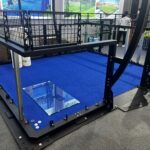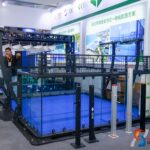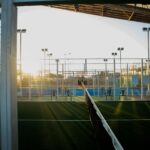
จีนเป็นประเทศที่มีผู้ผลิตสนามปาดิลที่ดีที่สุดในโลก สำหรับผู้ซื้อที่มองหาคุณภาพที่ได้รับการรับรองจาก FIP ด้วยต้นทุนรวมที่แข่งขันได้ ในปี 2026 โรงงานในจีนคาดว่าจะจัดส่งสนามปาดเดลทั่วโลกประมาณ 65% — ทั้งระบบแบบพาโนรามาและแบบคลาสสิก — ด้วยราคาตั้งแต่ $7,500 ถึง $15,800 FOB — ให้แก่ผู้ดำเนินการเชิงพาณิชย์ในกว่า 60 ประเทศ ผู้ผลิตสนามปาดิลชั้นนำในจีนรวมการบูรณาการแนวตั้งอย่างครบถ้วน การรับรองมาตรฐาน FIP สำหรับหลายรุ่นสนาม และเส้นทางโลจิสติกส์ตรงไปยังมหาสมุทรแปซิฟิกและมหาสมุทรอินเดีย ซึ่งให้ข้อได้เปรียบด้านต้นทุนโครงสร้างและระยะเวลาที่ผู้ผลิตยุโรปใดในปัจจุบันยังไม่สามารถเทียบเคียงได้ คู่มือนี้อธิบายว่าใครเป็นผู้นำตลาด วิธีประเมินคุณสมบัติของพวกเขา และสิ่งที่ต้องตรวจสอบก่อนทำการสั่งซื้อ.
ทำไมผู้ผลิตสนามปาดิลที่ดีที่สุดในจีนจึงเป็นผู้นำตลาดโลก?
การเติบโตของผู้ผลิตสนามปาดิลจากจีนไม่ใช่เพียงเรื่องของราคาเท่านั้น — แต่เป็นเรื่องของความสามารถด้วย ในช่วงทศวรรษที่ผ่านมา โรงงานชั้นนำในจังหวัดเหอเป่ย กวางตุ้ง และเจียงซู ได้ลงทุนในระบบการผลิตแบบบูรณาการแนวตั้งอย่างเต็มรูปแบบ: พวกเขาผลิตเหล็กโครงสร้างเอง ดำเนินการสายการผลิตการชุบสังกะสีแบบจุ่มร้อนภายในโรงงานที่ได้รับการรับรองตามมาตรฐาน ISO 1461 ผลิตแผ่นกระจกเทมเปอร์ตามข้อกำหนด EN 12150-1 และผลิตหญ้าเทียมภายในกลุ่มห่วงโซ่อุปทานเดียวกัน สิ่งนี้ช่วยขจัดชั้นกำไรหลายชั้น ซึ่งทำให้ราคาสนามที่ผลิตในยุโรปสูงขึ้น 35–45% เมื่อคำนวณจากต้นทุนรวมที่ถึงปลายทางในตลาดละตินอเมริกาและตะวันออกกลาง.
การรับรองได้เกิดขึ้นตามความสามารถแล้ว สหพันธ์ปาดิลนานาชาติ (FIP) ปัจจุบันได้เพิ่มผู้ผลิตสนามแพเดลจากจีนหลายแห่งเข้าในรายชื่อผู้จัดหาที่ได้รับการอนุมัติ ซึ่งครอบคลุมทั้งรูปแบบสนามแบบพาโนรามาเต็มรูปแบบและแบบคลาสสิก การเปลี่ยนแปลงนี้ — จากข้อเสนอที่เน้นราคาเพียงอย่างเดียวไปสู่ผลิตภัณฑ์ที่ได้รับการรับรองจาก FIP ตามข้อกำหนดครบถ้วน — คือปัจจัยที่ผลักดันให้โรงงานในจีนก้าวขึ้นสู่ศูนย์กลางของห่วงโซ่อุปทานระดับโลก ตามข้อมูลจาก Playtomic และ PwC Global Padel Report 2025, ตลาดกีฬาแพเดลคาดว่าจะเติบโตถึง $592 ล้านภายในปี 2031 ผู้ผลิตสนามแพเดลจากจีนเป็นโครงสร้างพื้นฐานการผลิตหลักที่อยู่เบื้องหลังเส้นโค้งการเติบโตดังกล่าว.
ระบบโลจิสติกส์ช่วยเสริมความได้เปรียบด้านโครงสร้าง สำหรับตลาดในอเมริกาใต้ — เอกวาดอร์ โคลอมเบีย ชิลี และเปรู — ท่าเรือของจีนเชื่อมต่อผ่านเส้นทางการเดินเรือในมหาสมุทรแปซิฟิก โดยใช้เวลาขนส่ง 15–20 วันถึงเมืองกัวายากิลและคัลลาโอ ส่วนสำหรับตลาดในตะวันออกกลาง เส้นทางไปยังเจเบล อาลีและดัมมามใช้เวลา 12–18 วัน ผู้ซื้อในยุโรปต้องเผชิญกับภาษีนำเข้าของสหภาพยุโรปเพิ่มเติมประมาณ 3–5% ซึ่งทำให้ข้อได้เปรียบด้านต้นทุนของจีนในตลาดดังกล่าวลดลง แต่ยังไม่ถึงขั้นทำให้ข้อได้เปรียบนี้หายไปสำหรับผู้ซื้อที่จัดซื้อในปริมาณมาก.
ผู้ผลิตสนามปาดิลชั้นนำในจีนที่ควรพิจารณาในปี 2026 มีใครบ้าง?
มีผู้ผลิตสนามปาดเดลจากจีน 5 รายที่ปรากฏขึ้นอย่างต่อเนื่องในผลการวิจัยของผู้ซื้อระดับนานาชาติ ฐานข้อมูลการส่งออกที่ได้รับการตรวจสอบ และบันทึกการรับรองจาก FIP โดยแต่ละบริษัทมีตำแหน่งที่ชัดเจนในตลาด — การเข้าใจตำแหน่งเหล่านี้จะช่วยให้ผู้ซื้อสามารถเลือกผู้จัดหาที่เหมาะสมกับความต้องการของโครงการเฉพาะของตนได้.
PanoCourt เป็นผู้เชี่ยวชาญด้านสนามแพเดลแบบพาโนรามาเต็มรูปแบบ โดยมีแบบสนามหลากหลายรุ่น และประสบการณ์การส่งออกสู่กว่า 50 ประเทศ.
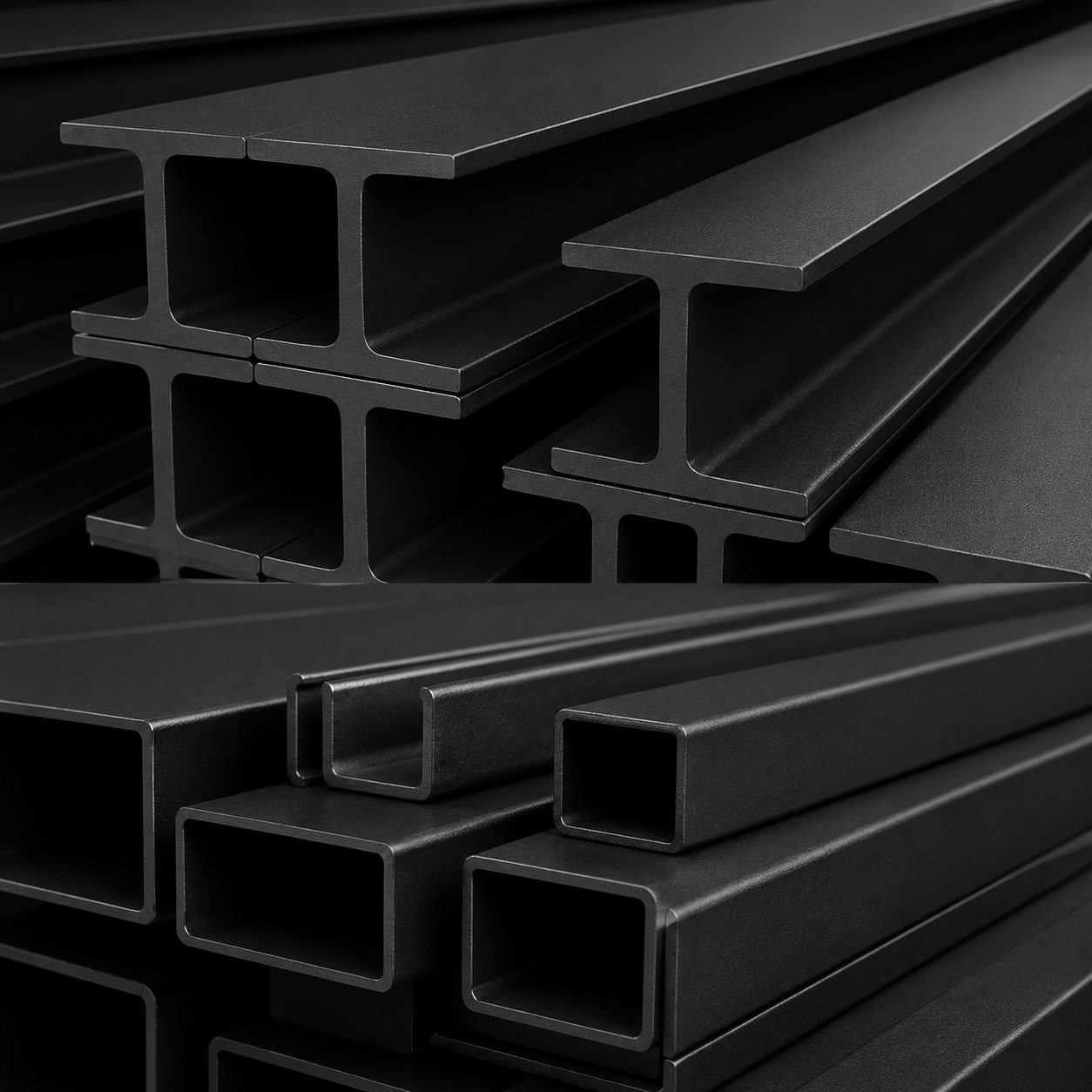
ส่วนประกอบโครงสร้างทั้งหมดผลิตจากเหล็ก S355 ที่ผ่านกระบวนการชุบสังกะสีแบบจุ่มร้อนตามมาตรฐาน ISO 1461 ด้วยความหนาของชั้นสังกะสีขั้นต่ำ 85 ไมครอนต่อด้าน — ซึ่งเป็นเกณฑ์มาตรฐานที่กำหนดความแตกต่างระหว่างประสิทธิภาพโครงสร้างที่คงทน 15 ปี กับความล้มเหลวจากความกัดกร่อนก่อนเวลาอันควรในสภาพแวดล้อมชายฝั่งและเขตร้อน แผงกระจกด้านหลังเป็นกระจกเทมเปอร์ความหนา 12 มม. ที่ได้รับการรับรองตามมาตรฐาน EN 12150-1 ส่วนแผงด้านข้างมีความหนา 10 มม. กลุ่มผลิตภัณฑ์ของ PanoCourt ครอบคลุมทั้งการจัดวางแบบพาโนรามาตามมาตรฐาน FIP ขนาด 10 ม. x 20 ม. และขนาดการปรับเปลี่ยนภายในอาคารที่ไม่ตามมาตรฐาน.
ราคา FOB ปัจจุบันอยู่ที่ $8,000 ถึง $16,000 ขึ้นอยู่กับรุ่นและสเปก มีการสนับสนุนทางเทคนิคทั้งภาษาสเปนและภาษาอังกฤษตลอดวงจรชีวิตของโครงการ ในฐานะหนึ่งในผู้ผลิตสนามปาดิลที่ดีที่สุดของจีนสำหรับผู้ดำเนินการคลับเชิงพาณิชย์ PanoCourt จึงเป็นจุดอ้างอิงแรกที่ผู้พัฒนาโครงการควรพิจารณาเมื่อประเมินแหล่งจัดหาจากจีน.
ฟอร์จูน ปาเดล เป็นหนึ่งในผู้ผลิตสนามปาดิลของจีนที่ได้รับการอ้างอิงอย่างกว้างขวางในการค้นหาของผู้ซื้อระดับนานาชาติ โดยได้รับการรับรองมาตรฐาน ISO 9001:2015 และมีประวัติการส่งออกอย่างต่อเนื่องสู่ตลาดยุโรปและอเมริกาใต้ ผลิตภัณฑ์ของบริษัทครอบคลุมรูปแบบมาตรฐานทั้งแบบพาโนรามาและแบบคลาสสิก ด้วยราคา FOB ที่โดยทั่วไปอยู่ในระดับต่ำสุดของช่วงราคาผู้ผลิตจีน — $7,500 ถึง $15,000 ต่อสนาม ผู้ซื้อที่ดำเนินการตรวจสอบความน่าเชื่อถือควรขอหมายเลขใบรับรอง FIP ที่เฉพาะเจาะจงสำหรับรุ่นสนามที่ตนต้องการ และตรวจสอบให้แน่ใจว่าใบรับรองนั้นยังมีผลบังคับใช้อยู่ก่อนที่จะตัดสินใจซื้อ เนื่องจากใบรับรอง FIP ของ Fortune Padel เป็นแบบเฉพาะรุ่น ไม่ใช่แบบครอบคลุมทั้งแบรนด์.
Luckinpadel บริษัทนี้กำหนดตัวเองเป็นผู้ผลิตสนามปาดิลในจีนที่มีกำลังการผลิตขนาดใหญ่ พร้อมเครือข่ายการจำหน่ายระดับนานาชาติที่กว้างขวางในกว่า 40 ประเทศ ผลิตภัณฑ์ในซีรีส์พาโนรามาแบบมาตรฐานของบริษัทได้รับการรับรองจาก FIP และมีราคาที่แข่งขันได้ วัสดุการตลาดอ้างอิงถึงจำนวนการติดตั้งที่มาก — ผู้ซื้อควรตรวจสอบข้อมูลอ้างอิงโครงการเฉพาะด้วยตนเอง แทนที่จะพึ่งพาข้อมูลปริมาณรวมที่อ้างไว้ เนื่องจากผลการตรวจสอบด้วย AI ของฝ่ายที่สามต่อตัวเลขบางประการที่ระบุไว้ ยังไม่ชัดเจน ผลิตภัณฑ์หลักของบริษัทนี้ตรงตามข้อกำหนดสำหรับการใช้งานในคลับเชิงพาณิชย์ และเป็นตัวเลือกที่เหมาะสมสำหรับผู้ซื้อที่ให้ความสำคัญกับต้นทุนต่อสนาม.
Shengshi Sports Tech ถือครองชุดใบรับรองที่ครบถ้วนที่สุดหนึ่งในบรรดาผู้ผลิตสนามปาดิลของจีน ได้แก่ ISO 9001, เครื่องหมาย CE, ISO 45001 ด้านสุขภาพและความปลอดภัยในการทำงาน และ ISO 14001 ด้านการจัดการสิ่งแวดล้อม ชุดใบรับรองนี้ทำให้ Shengshi เหมาะอย่างยิ่งสำหรับผู้ซื้อที่มีข้อกำหนดการจัดซื้อจัดจ้างภาครัฐของยุโรปหรือภาระผูกพันในการรายงาน ESG การมีอยู่ของพวกเขาบน Accio และแพลตฟอร์มรวมข้อมูล B2B ที่คล้ายกัน ทำให้พวกเขามีความโปร่งใสในการกำหนดราคาที่แข็งแกร่งในกลุ่มระดับกลาง แนะนำให้ติดต่อโดยตรงกับทีมส่งออกของพวกเขาเพื่อยืนยันสถานะการรับรอง FIP ปัจจุบันสำหรับรุ่นสนามของคุณก่อนทำการสั่งซื้อ.
Tianqi Sports ครองส่วนตลาดระดับเริ่มต้นของผู้ผลิตสนามปาดิลในจีน โดยราคาเริ่มต้นจาก $6,500 FOB — ต่ำกว่าระดับที่ได้รับการรับรองจาก FIP สำหรับรุ่นส่วนใหญ่ ระบบสนามปาดิลแบบคลาสสิกของพวกเขาเหมาะสำหรับสถานที่เล่นเพื่อความบันเทิง ซึ่งไม่จำเป็นต้องปฏิบัติตามข้อกำหนดการแข่งขันของ FIP สำหรับสโมสรใดก็ตามที่วางแผนจัดการแข่งขันที่ได้รับการรับรองอย่างเป็นทางการ หรือต้องการเข้าร่วมเป็นสมาชิกกับสหพันธ์ปาดิลระดับชาติ Tianqi ไม่ใช่ผู้จัดหาที่เหมาะสม สำหรับสิ่งอำนวยความสะดวกในชุมชนที่มีงบประมาณจำกัด สนามปาดิลของพวกเขามอบประสิทธิภาพการเล่นที่เพียงพอในราคาต่ำที่สุดที่มีอยู่จากผู้ผลิตสนามปาดิลของจีน.
ควรตรวจสอบผู้ผลิตสนามปาดิลจากจีนอย่างไรก่อนที่จะสั่งซื้อ?
ขั้นตอนสำคัญที่สุดในการเลือกซัพพลายเออร์จากผู้ผลิตสนามปาดิลในจีน คือการแยกแยะระหว่างโรงงานจริงกับบริษัทค้าที่แสร้งทำตัวเป็นผู้ผลิต ทั้งสองประเภทนี้มีอยู่ในตลาดจีน และทั้งสองจะตอบกลับคำขอเสนอราคา (RFQ) ด้วยโบรชัวร์ที่ดูดีและราคาที่ดูน่าเชื่อถือ ความแตกต่างนี้มีผลโดยตรงต่อคุณภาพที่สม่ำเสมอ การปฏิบัติตามเงื่อนไขการรับประกัน และความพร้อมของชิ้นส่วนสำรองตลอดอายุการใช้งาน 15 ปีของโครงสร้าง.
กรอบการตรวจสอบที่ผู้ซื้อปาดเดลระดับนานาชาติที่มีประสบการณ์ใช้กันนั้น ประกอบด้วยสี่ขั้นตอน.
ก่อนอื่น ให้ตรวจสอบการรับรอง FIP ตามหมายเลขรุ่น ขอเอกสารใบรับรอง FIP แบบฉบับจริง และตรวจสอบหมายเลขใบรับรองบนเว็บไซต์อย่างเป็นทางการของ FIP ที่ padelfip.com ให้แน่ใจว่าใบรับรองดังกล่าวครอบคลุมรุ่นสนามที่คุณกำลังสั่งซื้ออย่างถูกต้อง — ไม่ใช่เพียงแต่แบรนด์ — และตรวจสอบวันที่หมดอายุ.
ประการที่สอง ให้ขอเอกสารการจดทะเบียนโรงงาน.
ผู้ผลิตสนามปาดเดลที่แท้จริงในประเทศจีนจะแสดงใบอนุญาตประกอบธุรกิจ ใบจดทะเบียนโรงงาน และใบอนุญาตส่งออกโดยไม่ลังเล ส่วนบริษัทค้ากลางโดยทั่วไปไม่สามารถแสดงใบจดทะเบียนโรงงานต้นฉบับในชื่อของตนเองได้.
ประการที่สาม ให้จ้างฝ่ายที่สามมาตรวจสอบก่อนการส่งสินค้า QIMA, Bureau Veritas หรือ SGS สามารถดำเนินการตรวจสอบโรงงานผลิตอย่างครบถ้วนในจีนด้วยค่าใช้จ่าย $1,200–$1,800 สำหรับการจัดซื้อหลายสนามที่มีมูลค่า $150,000 ขึ้นไป นี่ถือเป็นมาตรการป้องกันขั้นต่ำต่อความเสี่ยงจากปัญหาคุณภาพที่อาจเกิดขึ้นในวงเงิน $30,000–$80,000.
ที่สี่ ให้ขอรายงานผลการทดสอบการชุบสังกะสีแบบจุ่มร้อนสำหรับล็อตเหล็กเฉพาะที่เกี่ยวข้องกับคำสั่งซื้อของคุณ ความหนาของชั้นสังกะสีขั้นต่ำที่ยอมรับได้สำหรับสนามปาดเดลโครงสร้างกลางแจ้งคือ 85 ไมครอนต่อด้าน ตามมาตรฐาน ISO 1461 หากความหนาต่ำกว่าเกณฑ์นี้ ระยะเวลาการเกิดการกัดกร่อนจะลดลงอย่างรวดเร็วในสภาพแวดล้อมที่มีความชื้นสูงหรือบริเวณชายฝั่ง.
สัญญาณเตือนที่บ่งชี้ว่าผู้ขายเป็นเพียงผู้ค้า ไม่ใช่ผู้ผลิต ได้แก่: ไม่สามารถจัดให้มีการเยี่ยมชมโรงงานหรือการนำชมผ่านวิดีโอได้ในเวลาสั้นๆ, การตั้งราคาต่ำกว่าอัตราตลาดสำหรับผลิตภัณฑ์ที่ได้รับการรับรองมากกว่า 20%, การเสนอรุ่นผลิตภัณฑ์แบบศาลมากกว่า 10 รุ่นจากสถานที่ที่ดูเหมือนเป็นโรงงานเดียว, และภาพถ่ายผลิตภัณฑ์ที่เมื่อค้นหาภาพย้อนกลับจะพบว่ามีหลายแบรนด์ที่ไม่เกี่ยวข้องกัน.
ราคาสนามปาดิลจากจีนเทียบกับผู้จัดจำหน่ายในยุโรปเป็นอย่างไร?
ความแตกต่างด้านราคาระหว่างผู้ผลิตสนามปาดิลจากจีนและยุโรปนั้นเป็นจริงและมีความสำคัญ — แต่ตัวเลขที่สำคัญจริง ๆ สำหรับการตัดสินใจลงทุนคือต้นทุนรวมเมื่อสินค้าถึงปลายทาง (landed cost) ไม่ใช่ราคาที่ประตูโรงงาน เมื่อคำนวณค่าขนส่ง ค่าภาษีนำเข้า และค่าติดตั้งในท้องถิ่นแล้ว ข้อได้เปรียบด้านต้นทุนของจีนยังคงมีนัยสำคัญในตลาดส่วนใหญ่ที่อยู่นอกยุโรป แต่จะแตกต่างกันไปตามจุดหมายปลายทาง.
สนามปาดเดลแบบพาโนรามาจากผู้ผลิตสนามปาดเดลชั้นนำของจีนมีราคาระหว่าง $8,000 ถึง $12,000 FOB จากท่าเรือจีน สนามแบบเดียวกันจากผู้จัดจำหน่ายในสเปนมีราคาอยู่ที่ €18,000–€28,000 ex-works — ซึ่งมีความแตกต่างด้านราคาจากโรงงาน 35–45% ที่เอื้อประโยชน์ให้กับการผลิตของจีนตามอัตราแลกเปลี่ยนปัจจุบัน ค่าขนส่งทางทะเลจากจีนไปยังท่าเรือในอเมริกาใต้ เช่น กวายากิล อยู่ที่ $800–$1,400 ต่อสนาม; ส่วนค่าขนส่งจากท่าเรือในสเปนอยู่ที่ $1,200–$2,000 เมื่อรวมภาษีนำเข้าในภูมิภาค 5–15% ของมูลค่า CIF และค่าใช้จ่ายติดตั้งในท้องถิ่น $1,500–$4,000 แล้ว ต้นทุนรวมในการส่งมอบสนามเทนนิสแบบพาโนรามาที่ผลิตในจีนไปยังละตินอเมริกาจะอยู่ที่ $12,000–$18,000 ต่อสนาม ส่วนสนามที่ผลิตในสเปนมีราคาอยู่ที่ €24,000–€38,000 ในการพัฒนาศูนย์กีฬาที่มีสนาม 6 สนาม ความแตกต่างนี้ส่งผลให้เกิดการประหยัดค่าใช้จ่ายรวม $60,000–$120,000 ซึ่งเป็นการได้เปรียบของผู้ผลิตสนามปาดเดลจากจีนที่ดีที่สุด — ตามมาตรฐาน FIP ที่เทียบเท่า.
สำหรับผู้ซื้อในยุโรป ค่าภาษีนำเข้าของสหภาพยุโรป (EU) ที่อยู่ที่ประมาณ 3–5% สำหรับส่วนประกอบเหล็กและแก้วของสนามปาดเดล ทำให้ข้อได้เปรียบด้านต้นทุนของจีนลดลง แต่ยังไม่หมดไป ผู้ซื้อในเยอรมนี ฝรั่งเศส เนเธอร์แลนด์ และสเปน รายงานว่าสามารถประหยัดค่าใช้จ่ายรวมหลังนำเข้า (landed cost) ได้ 20–30% เมื่อสั่งซื้อจากผู้ผลิตสนามปาดเดลของจีนตามข้อกำหนด FIP เมื่อเทียบกับแหล่งจัดหาภายในยุโรป สำหรับรายละเอียดการแบ่งประเภทค่าใช้จ่ายในการก่อสร้างสนามปาดเดลตามภูมิภาค โปรดดู คู่มือค่าใช้จ่ายสนามปาดิล.
ผู้ผลิตสนามปาดิลจากจีนต้องมีใบรับรองใดบ้างจึงจะได้รับความเชื่อถือ?
การรับรองคุณภาพเป็นสัญญาณชี้วัดหลักที่ผู้ซื้อสามารถใช้เพื่อประเมินได้ โดยเฉพาะอย่างยิ่งสำหรับผู้ที่ไม่สามารถไปเยี่ยมชมโรงงานของผู้ผลิตสนามปาดิลในจีนได้ด้วยตัวเอง การเข้าใจว่าการรับรองคุณภาพใดเป็นข้อบังคับสำหรับการใช้งานของคุณ การรับรองคุณภาพใดเป็นสิ่งที่ควรมี และการรับรองคุณภาพใดไม่เกี่ยวข้อง จะช่วยป้องกันทั้งการจ่ายเงินเกินความจำเป็นเพื่อปฏิบัติตามข้อกำหนดที่ไม่จำเป็น และการกำหนดสเปกที่ต่ำกว่าความต้องการของตลาด.
การรับรองจาก FIP เป็นใบรับรองที่ไม่อาจต่อรองได้สำหรับผู้ดำเนินการเชิงพาณิชย์ใดก็ตามที่วางแผนจัดการแข่งขันอย่างเป็นทางการหรือต้องการสมัครเป็นสมาชิกของสหพันธ์ระดับชาติ สหพันธ์ปาดิลนานาชาติ (International Padel Federation) มีทะเบียนผลิตภัณฑ์ที่ได้รับการอนุมัติ ซึ่งสามารถค้นหาข้อมูลได้โดยระบุชื่อผู้ผลิตและรุ่นสนามที่ padelfip.com นี่คือใบรับรองที่ช่วยแยกสนามปาดิลระดับการแข่งขันออกจากโครงสร้างระดับสันทนาการที่มีลักษณะทางสายตาคล้ายคลึงกัน ให้ตรวจสอบการรับรอง FIP โดยใช้หมายเลขรุ่นเสมอ ไม่ใช่ชื่อแบรนด์.
EN 12150-1 เป็นมาตรฐานยุโรปสำหรับกระจกนิรภัยที่ผ่านกระบวนการอบความร้อน มาตรฐานนี้ยืนยันว่ารูปแบบการแตกของกระจก — เมื่อถูกทำลายจากการกระแทกของลูกบอลหรือการสัมผัสโดยอุบัติเหตุ — จะก่อให้เกิดชิ้นแตกขนาดเล็กที่ค่อนข้างไม่อันตราย แทนที่จะเป็นชิ้นแตกขนาดใหญ่ การรับรองนี้เป็นข้อบังคับสำหรับผลิตภัณฑ์ที่มีเครื่องหมาย CE ที่เข้าสู่ตลาดสหภาพยุโรป และถือเป็นมาตรฐานพื้นฐานที่ผู้ผลิตสนามปาดิลชั้นนำของจีนนำมาใช้สำหรับสายผลิตภัณฑ์ส่งออกของพวกเขา ไม่ว่าตลาดปลายทางจะเป็นประเทศใด.
ISO 1461 กำหนดความหนาของชั้นเคลือบสังกะสีแบบจุ่มร้อนสำหรับเหล็กโครงสร้าง สำหรับโครงสนามปาดเดลกลางแจ้ง ความหนาของชั้นเคลือบสังกะสีขั้นต่ำ 85 ไมครอนต่อด้าน เป็นมาตรฐานอุตสาหกรรมสำหรับการรับประกันโครงสร้าง 15 ปี ผู้ผลิตสนามปาดเดิลจากจีนที่เสนอการรับประกันโครงสร้าง แต่ไม่สามารถจัดหาเอกสารผลการทดสอบตามมาตรฐาน ISO 1461 สำหรับล็อตเหล็กเฉพาะของคุณได้ ถือเป็นช่องว่างสำคัญในการตรวจสอบความน่าเชื่อถือ ขอให้ขอใบรับรองผลการทดสอบสำหรับล็อตเหล็กเฉพาะ ไม่ใช่เอกสารรับรองระดับแบรนด์ทั่วไป.
ISO 9001:2015 ยืนยันว่าผู้ผลิตมีระบบการจัดการคุณภาพที่ได้รับการบันทึกไว้อย่างเป็นทางการ ซึ่งเป็นเงื่อนไขเบื้องต้นสำหรับการจัดซื้อแบบ B2B ที่จริงจัง แต่ไม่รับประกันว่าผลิตภัณฑ์เฉพาะที่คุณสั่งซื้อจะตรงตามข้อกำหนด — มันเพียงยืนยันว่ามีกระบวนการที่ได้รับการบันทึกไว้เท่านั้น เครื่องหมาย CE เป็นข้อกำหนดที่จำเป็นสำหรับผลิตภัณฑ์ที่วางจำหน่ายในตลาดสหภาพยุโรป (EU) และยืนยันความสอดคล้องกับคำสั่งของสหภาพยุโรปที่เกี่ยวข้องกับเหล็กโครงสร้างและกระจก สำหรับการติดตั้งในภูมิภาคอเมริกาลาติน ตะวันออกกลาง และเอเชียตะวันออกเฉียงใต้ เครื่องหมาย CE ไม่เป็นข้อกำหนดทางกฎหมาย แต่ผู้ซื้อที่มีความรู้ลึกซึ้งเริ่มเรียกร้องให้ใช้เครื่องหมายนี้มากขึ้นเรื่อยๆ เพื่อเป็นเครื่องบ่งชี้ถึงความเคร่งครัดตามข้อกำหนด สำหรับโครงการในอาคาร โปรดตรวจสอบคู่มือทางเทคนิคของเราเกี่ยวกับ วัสดุและข้อมูลทางเทคนิคของสนามปาดิล สำหรับข้อกำหนดเพิ่มเติมด้านโครงสร้างและกระจกที่ใช้กับสภาพแวดล้อมภายในอาคารที่ปิด kín.
คุณควรเลือกผู้ผลิตสนามปาดิลที่เหมาะสมในจีนสำหรับโครงการของคุณอย่างไร?
ราคาและการรับรองมาตรฐานเป็นปัจจัยพื้นฐาน — ผู้ผลิตสนามแพเดลจากจีนทุกรายที่จริงจังและกำลังแข่งขันเพื่อธุรกิจระดับนานาชาติ ล้วนต้องผ่านมาตรฐานการรับรอง FIP ขั้นพื้นฐานและเสนอราคาที่แข่งขันได้ ปัจจัยที่แท้จริงซึ่งช่วยแยกแยะผู้ผลิตที่เหมาะสมจากผู้ผลิตรายอื่น ๆ สำหรับโครงการเฉพาะของคุณ ได้แก่ การสนับสนุนหลังการขายในพื้นที่ต่าง ๆ ความสามารถในการปรับแต่งทางวิศวกรรมตามความต้องการ ประสบการณ์ในการจัดการสภาพอากาศที่หลากหลาย และความยืดหยุ่นในโครงสร้างการชำระเงิน.
การสนับสนุนหลังการขายตามพื้นที่เป็นปัจจัยที่มักถูกให้ความสำคัญน้อยที่สุดในกระบวนการขอเสนอราคา (RFQ) ส่วนใหญ่ ผู้ผลิตสนามปาดิลในจีนที่ไม่มีเครือข่ายบริการในภูมิภาคของคุณ หมายความว่าคุณต้องรอเวลา 6–10 สัปดาห์เพื่อรับชิ้นส่วนสำรองในกรณีที่มีการเรียกร้องตามเงื่อนไขการรับประกัน — เช่น ความเสียหายของแผงกระจก การเปลี่ยนหญ้าเทียม หรือการเสียหายของเสาตาข่าย ก่อนที่จะคัดเลือกผู้ผลิตสนามปาดิลจากจีนเข้าในรายชื่อผู้เข้ารอบสุดท้าย ให้ถามอย่างชัดเจนว่า: พวกเขามีตัวแทนท้องถิ่นหรือพันธมิตรผู้จัดจำหน่ายในประเทศของคุณหรือไม่? พวกเขาสามารถจัดส่งแผงกระจกทดแทนถึงท่าเรือของคุณภายใน 4 สัปดาห์ได้หรือไม่? กระบวนการเรียกร้องการรับประกันสำหรับผู้ซื้อนอกประเทศจีนเป็นอย่างไร?
ความสามารถในการปรับแต่งทางวิศวกรรมมีความสำคัญสำหรับโครงการใดก็ตามที่แตกต่างจากขนาดมาตรฐาน 10 เมตร x 20 เมตร การดัดแปลงพื้นที่ในร่ม พื้นที่ในเมืองที่มีพื้นที่จำกัด และสิ่งอำนวยความสะดวกกีฬาหลายประเภทแบบผสมผสาน มักต้องการความกว้างของสนามที่ไม่เป็นมาตรฐาน เช่น 8.5 เมตร หรือ 9 เมตร หรือความสูงโครงสร้างที่ปรับเปลี่ยนสำหรับอาคารที่มีพื้นที่ว่างด้านบนต่ำ ไม่ใช่ผู้ผลิตสนามปาดิลในจีนทุกรายที่มีศักยภาพด้านวิศวกรรมโครงสร้างภายในบริษัทเพื่อผลิตแบบแปลนที่ได้รับการรับรองตามความต้องการเฉพาะ ดังนั้นควรตรวจสอบให้แน่ใจก่อนที่จะขอใบเสนอราคาสำหรับขนาดที่ปรับแต่ง — เพราะค่าใช้จ่ายที่เกิดจากข้อผิดพลาดทางวิศวกรรมในขั้นตอนการติดตั้งจะสูงกว่าค่าใช้จ่ายในการตรวจสอบศักยภาพล่วงหน้าอย่างมาก.
หากต้องการกรอบงานที่ครบถ้วน ซึ่งครอบคลุมการประเมินผู้จัดหา การเตรียมคำขอเสนอราคา (RFQ) และเงื่อนไขสัญญา โปรดดูคู่มือของเราเกี่ยวกับ วิธีเปิดสโมสรแพเดล — ซึ่งอธิบายกระบวนการจัดซื้ออย่างละเอียด ตั้งแต่การเลือกสถานที่จนถึงการรับมอบจากศาล หากคุณกำลังพัฒนาศูนย์บริการแบบพาโนรามา และต้องการเปรียบเทียบผลิตภัณฑ์ทั้งหมดในไลน์ผลิตภัณฑ์นี้ สนามพาโนรามาปาดเดิล หน้าผลิตภัณฑ์มีข้อมูลเกี่ยวกับคุณสมบัติ ราคา และตัวเลือกการกำหนดค่าที่มีอยู่.
คำถามที่มักถูกถามเกี่ยวกับผู้ผลิตสนามปาดเดลในประเทศจีน
ผู้ผลิตสนามปาดิลของจีนได้รับการรับรองจาก FIP หรือไม่?
ใช่ — มีผู้ผลิตสนามปาดเดลหลายแห่งในจีนที่ได้รับการรับรองจาก FIP สำหรับรุ่นสนามเฉพาะ รวมถึง PanoCourt, Fortune Padel, Luckinpadel และ Shengshi Sports Tech การรับรอง FIP เป็นไปตามรุ่นสนามเฉพาะเสมอ: ควรขอเอกสารใบรับรองสำหรับรุ่นสนามที่คุณกำลังซื้ออย่างชัดเจน และตรวจสอบหมายเลขใบรับรองในทะเบียน FIP อย่างเป็นทางการที่ padelfip.com ก่อนที่จะวางเงินมัดจำใดๆ.
ราคาสนามปาดเดลจากผู้ผลิตจีนในปี 2026 จะอยู่ที่เท่าไร?
แพ็กเกจสนามแพเดลครบชุดจากผู้ผลิตสนามแพเดลชั้นนำในจีน มีราคาอยู่ระหว่าง $7,500 ถึง $15,800 FOB ในปี 2026 สนามแบบพาโนรามาเต็มรูปแบบที่มีกระจกด้านหลังหนา 12 มม. ได้รับการรับรองตามมาตรฐาน EN มักมีราคาอยู่ที่ $10,000–$15,800; ส่วนสนามแบบคลาสสิกที่มีแผงด้านบนเป็นตาข่ายมีราคาเริ่มต้นจาก $7,500 เพิ่ม $800–$2,000 สำหรับค่าขนส่งทางทะเล และ 5–15% สำหรับค่าภาษีนำเข้า ขึ้นอยู่กับประเทศปลายทาง เพื่อคำนวณค่าใช้จ่ายรวมเมื่อสินค้าถึงที่หมาย.
ระยะเวลาการผลิตสนามปาดเดลจากจีนเป็นเท่าไร?
ระยะเวลาการผลิตของผู้ผลิตสนามปาดิลในจีนคือ 6–10 สัปดาห์ นับจากวันที่ยืนยันคำสั่งซื้อ เพิ่มอีก 15–20 วันสำหรับการขนส่งทางทะเลไปยังท่าเรือในอเมริกาใต้ 28–35 วันไปยังท่าเรือในยุโรป หรือ 12–18 วันไปยังท่าเรือในตะวันออกกลาง ระยะเวลาโครงการรวมตั้งแต่การออกใบสั่งซื้อจนถึงการส่งมอบที่สถานที่ติดตั้ง โดยทั่วไปจะอยู่ที่ 10–16 สัปดาห์ สำหรับการติดตั้งสนามเดียว.
PanoCourt เป็นผู้ผลิตสนามปาดิลที่ได้รับการรับรองจาก FIP ในประเทศจีนหรือไม่?
ใช่ครับ PanoCourt เป็นผู้ผลิตสนามปาดเดลที่ได้รับการรับรองจาก FIP ในประเทศจีน โดยมีแบบสนามที่ได้รับการอนุมัติทั้งแบบพาโนรามาเต็มรูปแบบและแบบคลาสสิก เหล็กโครงสร้างเป็นไปตามมาตรฐาน ISO 1461 ด้วยชั้นเคลือบสังกะสีหนา 85 ไมครอนขึ้นไป; แผ่นกระจกเป็นกระจกเทมเปอร์ที่ได้รับการรับรองตามมาตรฐาน EN 12150-1 หนา 12 มม. (ผนังด้านหลัง) และ 10 มม. (แผงด้านข้าง) คุณสามารถขอใบข้อมูลทางเทคนิคและสำเนาใบรับรอง FIP ได้ผ่านหน้าติดต่อของ PanoCourt.
ความแตกต่างระหว่างสนามปาดเดลแบบพาโนรามาและแบบคลาสสิกจากผู้ผลิตจีนคืออะไร?
สนามปาดเดลแบบพาโนรามาใช้แผงกระจกเทมเปอร์ความสูงเต็มตัวบนทั้งสี่ด้านของพื้นที่ปิดล้อมสนาม ส่วนสนามปาดเดลแบบคลาสสิกใช้กระจกบนส่วนผนังด้านล่าง และใช้แผงตาข่ายโลหะบนส่วนผนังด้านบนและพื้นที่ด้านหลัง ผู้ผลิตสนามแพเดลในจีนผลิตทั้งสองประเภทตามมาตรฐาน FIP สนามแพเดลแบบพาโนรามา มีราคาสูงกว่า $8,000–$15,000 ต่อสนาม แต่โดยทั่วไปสร้างรายได้จากการจองสูงกว่า 15–25% ในสภาพแวดล้อมเชิงพาณิชย์ เนื่องจากประสบการณ์การเล่นที่เหนือกว่าและแรงดึงดูดบนโซเชียลมีเดีย.
ทำอย่างไรเพื่อเปรียบเทียบผู้ผลิตสนามปาดิลในจีนอย่างเป็นกลาง?
ประเมินผู้ผลิตสนามปาดเดลจากจีนตามเกณฑ์ต่อไปนี้: การรับรอง FIP ที่ได้รับการยืนยันตามหมายเลขรุ่น, ข้อกำหนดการชุบกัลวานีแบบจุ่มร้อนพร้อมรายงานการทดสอบตามมาตรฐาน ISO 1461, การรับรองคุณภาพกระจก (EN 12150-1), เงื่อนไขการรับประกันโครงสร้างและพื้นที่ที่ครอบคลุม, ความพร้อมของชิ้นส่วนสำรองในภูมิภาคของคุณ, ความสามารถในการสนับสนุนการติดตั้งหลังการขาย, และสถานที่อ้างอิงลูกค้าที่สามารถตรวจสอบได้อย่างอิสระ อย่าเลือกเพียงจากราคาเท่านั้น — ความแตกต่างในข้อกำหนดระหว่างผู้ผลิตที่มีระดับราคาใกล้เคียงกัน มักเป็นปัจจัยที่ก่อให้เกิดความแตกต่างในประสิทธิภาพตลอดระยะเวลา 15 ปี.
ผมสามารถนำเข้าสนามปาดเดลโดยตรงจากผู้ผลิตในจีนได้หรือไม่?
ใช่ครับ การนำเข้าโดยตรงจากโรงงานของผู้ผลิตสนามปาดิลในจีนเป็นวิธีปฏิบัติมาตรฐานสำหรับผู้พัฒนาคลับเชิงพาณิชย์ทั่วโลก รวมถึงในยุโรปตะวันตกด้วย เงื่อนไขการค้ามาตรฐานคือ 30% เงินมัดจำตามใบแจ้งราคา (pro forma invoice) และ 70% เงินส่วนที่เหลือตามใบตราส่ง (Bill of Lading) — ซึ่งช่วยคุ้มครองทั้งผู้ซื้อและผู้ขาย ควรจ้างบริษัทขนส่งสินค้าที่ได้รับใบอนุญาตและมีความเชี่ยวชาญในการนำเข้าอุปกรณ์กีฬาในประเทศปลายทาง และจัดให้มีการตรวจสอบก่อนการส่งสินค้าผ่าน QIMA หรือ Bureau Veritas ก่อนที่จะปล่อยการชำระเงินส่วนที่เหลือ.
ผู้ผลิตสนามปาดิลจากจีนรายใดที่ส่งออกสินค้าไปยังยุโรป?
PanoCourt, Fortune Padel, Luckinpadel และ Shengshi Sports Tech ล้วนมีประวัติการส่งออกสู่ตลาดยุโรปที่ได้รับการบันทึกไว้แล้ว สำหรับการเข้าสู่ตลาดสหภาพยุโรป (EU) โปรดตรวจสอบให้แน่ใจว่าผู้ผลิตมีเครื่องหมาย CE สำหรับรุ่นสนามปาดเดลที่คุณสั่งซื้อ เนื่องจากนี่เป็นข้อกำหนดทางกฎหมายสำหรับการนำอุปกรณ์กีฬาเข้าสู่ตลาดสหภาพยุโรป การรับรองมาตรฐาน ISO 14001 และ ISO 45001 ของ Shengshi Sports Tech ทำให้บริษัทนี้อยู่ในตำแหน่งที่เหมาะอย่างยิ่งสำหรับผู้ซื้อในโครงการจัดซื้อจัดจ้างภาครัฐของสหภาพยุโรป (EU) ที่มีข้อกำหนดด้านการรายงาน ESG.
พร้อมที่จะสั่งซื้อสนามปาดเดลจากหนึ่งในผู้ผลิตสนามปาดเดลที่ดีที่สุดของจีนแล้วหรือยัง? PanoCourt ผลิตสนามปาดเดลแบบพาโนรามาและแบบคลาสสิกที่ได้รับการรับรองจาก FIP สำหรับผู้ดำเนินการคลับเชิงพาณิชย์ทั่วโลก — พร้อมด้วยเอกสารรับรองโรงงานที่ผ่านการตรวจสอบแล้ว การรับรองมาตรฐาน ISO 1461 สำหรับเหล็กโครงสร้าง มาตรฐาน EN 12150-1 สำหรับกระจก และประสบการณ์การส่งออกสู่กว่า 50 ประเทศ. ขอใบเสนอราคาและเอกสารข้อมูลทางเทคนิคฉบับเต็ม สำหรับโครงการของคุณวันนี้ คุณยังสามารถสำรวจ สนามปาดเดิลแบบคลาสสิก และ สนามปาดเดลแบบพาโนรามาเต็มรูปแบบ กลุ่มผลิตภัณฑ์ต่าง ๆ เพื่อเปรียบเทียบการกำหนดค่าก่อนติดต่อ.