A ผู้ผลิตสนามแพดเดิล‘ราคาขึ้นอยู่กับสี่ปัจจัยหลัก ได้แก่ ความหนาของท่อเหล็กและกระบวนการเชื่อม คุณภาพของกระจกเทมเปอร์และรั้วตาข่าย การเคลือบผงสี และประเภทสนาม (แบบพาโนรามา หรือแบบคลาสสิก) รวมถึงการปรับแต่งตามความต้องการ.
สำหรับผู้ซื้อในภาค B2B ในปี 2026 ราคา FOB จากโรงงานจะแบ่งออกเป็นช่วงราคาที่ชัดเจน. สนามแพเดลแบบพาโนรามา ส่งที่ $6,000–$10,000 USD ต่อสนาม จากโรงงาน. สนามปาดเดิลแบบคลาสสิก แบบที่มีผนังทำจากตาข่ายและกระจกทั้งด้าน $8,000–$12,000 USD ต่อสนาม.
คู่มือนี้อธิบายรายละเอียดเกี่ยวกับรายการวัสดุ (BOM) ทั้งหมด กระบวนการผลิต การจัดหาวัตถุดิบ และเกณฑ์การคัดเลือกผู้จัดหา — ซึ่งเขียนขึ้นสำหรับผู้รับจ้างสร้างสนามปาดิล นักลงทุน และผู้จัดจำหน่าย ที่ต้องการประเมินต้นทุนจริงจากโรงงานก่อนที่จะสั่งซื้อ.
รายการตรวจสอบหลักสำหรับรายการวัสดุ (BOM) ของสนามปาดเดลแบบครบถ้วน (2026)
ด้านล่างนี้คือรายการวัสดุ (BOM) สำหรับการผลิตแบบครบถ้วน ที่ผู้ผลิตสนามปาดเดิลมืออาชีพใช้เพื่อสร้างสนามมาตรฐานขนาด 20 ม. × 10 ม. — ซึ่งรวมถึงโครงสร้าง กระจก รั้ว พื้นสนาม อุปกรณ์ฮาร์ดแวร์ การบรรจุภัณฑ์ และใบรับรอง.
ใช้รายการตรวจสอบนี้เป็นแบบฉบับขอเสนอราคา (RFQ) เมื่อประเมินใบเสนอราคาจากโรงงานใดก็ตาม ผู้จัดหาที่ไม่สามารถระบุรายการเหล่านี้ได้ มักจะขาดความสามารถในการผลิตภายในบริษัท.
| หมวดหมู่ | รายการ | ข้อมูลจำเพาะ | จำนวน / ศาล | ยอดรวมย่อย (USD) | การรับรอง |
|---|---|---|---|---|---|
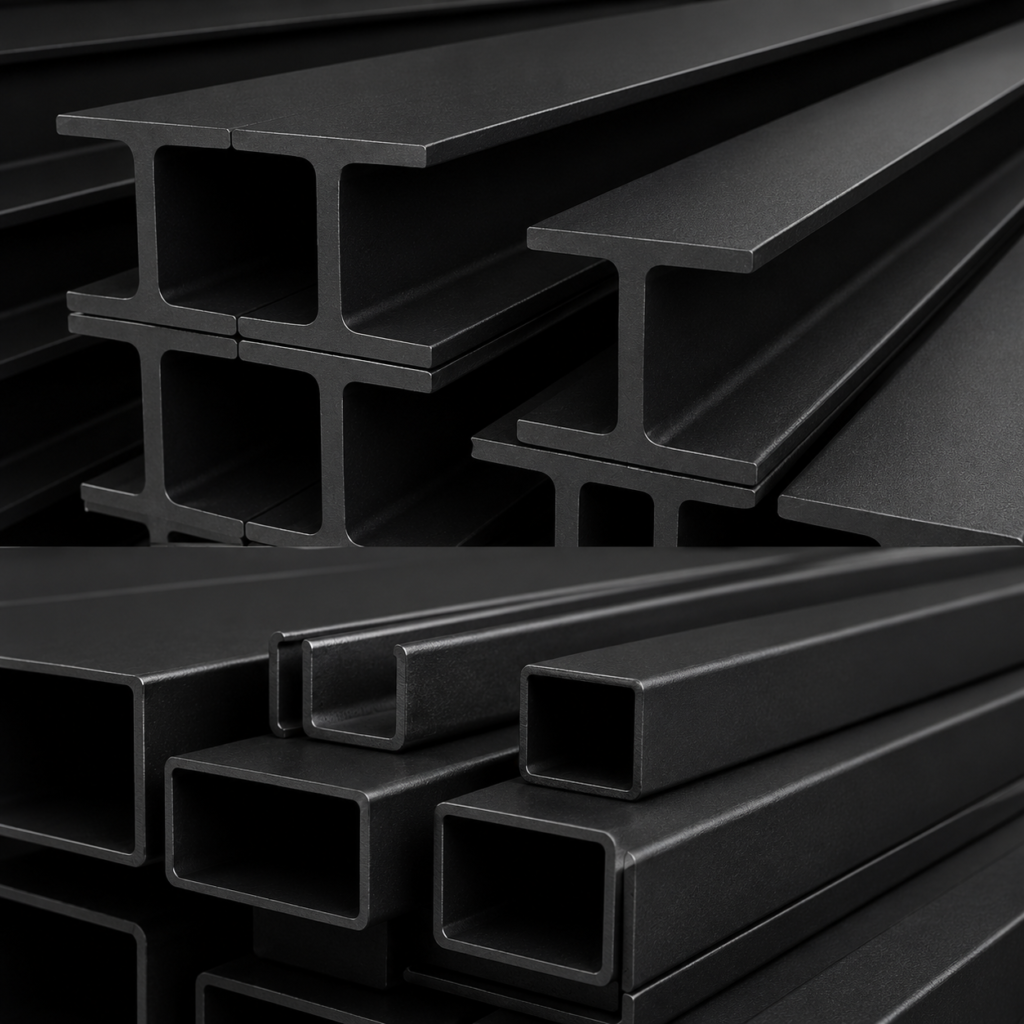
| โครงสร้าง | ท่อเหล็กสี่เหลี่ยม | 80×80×3 มม., Q235, ชุบสังกะสีแบบจุ่มร้อน. | ~1.5 ตัน | $1,200 | EN 10219 |
| โครงสร้าง | ท่อเหล็กกลม | Ø60×3 มม., Q235, ชุบสังกะสีแบบจุ่มร้อน. | ~1.0 ตัน | $800 | EN 10219 |
| โครงสร้าง | ตัวยึดและแผ่นเสริม | แผ่นเหล็กหนา 6–8 มม. | ประมาณ 80 ชิ้น | $180 | — |
| การเคลือบแก้ว | ผนังด้านหลังทำจากกระจกเทมเปอร์ | 12 มม., 2.0×1.9 ม., ผ่านการอบด้วยความร้อน | ประมาณ 30 m² | $840 | EN 12150-2 |
| การเคลือบแก้ว | ผนังด้านข้างทำจากกระจกเทมเปอร์ | 12 มม., ขนาดต่าง ๆ, ผ่านการอบด้วยความร้อน | ประมาณ 110 m² | $3,080 | EN 12150-2 |
| การเคลือบแก้ว | คลิปยึดแก้ว + ปะเก็น EPDM | สแตนเลส 304 | ประมาณ 120 ชิ้น | $240 | — |
| กีฬาฟันดาบ | แผงตาข่ายเชื่อม | 50×50 มม., สายเหล็กเคลือบ PVC หนา 4 มม. | ประมาณ 50 m² | $325 | EN 10223 |
| กีฬาฟันดาบ | ท่อกรอบตาข่าย | 40×40×2 มม. ชุบสังกะสี | — | $120 | — |
| การขึ้นผิว | หญ้าเทียมแบบโมโนฟิลาเมนต์ | ความสูงของเส้นใย 12 มม., PE, ได้รับการรับรองจาก FIP | 210 m² | $903 | FIP |
| การขึ้นผิว | วัสดุเติมเต็มจากทรายซิลิกา | 0.5–1.2 มม. รูปทรงกลม | ประมาณ 4 ตัน | $200 | — |
| เสร็จ | ผงสีสำหรับเคลือบผง | โพลีเอสเตอร์, ประเภทสำหรับใช้ภายนอก | ประมาณ 25 กก. | $75 | Qualicoat |
| เสร็จ | วัสดุสำหรับกระบวนการพ่นลูกเหล็ก | ลูกเหล็ก S330 | ประมาณ 15 กก. | $30 | — |
| ฮาร์ดแวร์ | สกรู / น็อต / แหวนรอง | M10–M12 ชุบสังกะสี | ประมาณ 500 ชิ้น | $80 | DIN 933 |
| ฮาร์ดแวร์ | ตาข่าย + ระบบปรับความตึง | อลูมิเนียม + เหล็ก | 2 ชุด | $150 | — |
| ฮาร์ดแวร์ | ตาข่ายปาดเดล (PE) | ระดับการแข่งขัน | 1 ชิ้น | $90 | FIP |
| ฮาร์ดแวร์ | บานพับประตู + ตัวล็อก | สแตนเลส 304 | 2 ชุด | $60 | — |
| ระบบแสง (ตัวเลือก) | ไฟสปอตไลท์ LED | 200W, 5000K, IP66 | 6–8 ชิ้น | $480 | CE |
| ระบบแสง (ตัวเลือก) | เสาไฟ | 6 เมตร ชุบสังกะสี | 4 ชิ้น | $320 | — |
| บรรจุภัณฑ์ | กล่องไม้สำหรับแก้ว | ไม้อัด + โฟม, ผ่านการรมยา | 3–4 ลัง | $180 | ISPM-15 |
| บรรจุภัณฑ์ | สายรัดเหล็ก + ตัวป้องกันมุม | — | — | $60 | — |
| รวม (ภาพพาโนรามา, ไม่มีแสง) | — | — | — | ~$8,611 | — |
| รวม (ภาพพาโนรามา พร้อมแสง) | — | — | — | ~$9,411 | — |
💡 ข้อคิดเห็นเชิงปฏิบัติ: ยอดรวมย่อยของวัสดุแสดงถึงต้นทุนวัตถุดิบเท่านั้น ให้เพิ่ม 25–35% สำหรับการพ่นทราย ค่าแรง การควบคุมคุณภาพ การบรรจุหีบห่อ และกำไรของโรงงาน เพื่อคำนวณราคา FOB ผู้ผลิตสนามปาดเดลที่มีชื่อเสียงจะส่งรายการ BOM แบบละเอียดตามคำขอ — หากไม่เปิดเผยข้อมูลในขั้นตอนนี้ อาจบ่งชี้ว่าเป็นบริษัทการค้า.
ผู้ผลิตสนามปาดเดลใช้วัสดุอะไรในการผลิต?
สนามปาดเดลมาตรฐานถูกสร้างขึ้นจากห้าประเภทวัตถุดิบหลัก พร้อมด้วยอุปกรณ์และวัสดุตกแต่ง วัสดุเหล่านี้คิดเป็นประมาณ 65–75% ของราคา FOB.
- ท่อเหล็กชุบสังกะสีแบบจุ่มร้อน — Q235 หรือเกรด S275/S335 ตามมาตรฐานสากล
- แผ่นกระจกเทมเปอร์ 12 มม. — ผ่านการอบด้วยความร้อน, ได้รับการรับรองตามมาตรฐาน EN 12150
- รั้วตาข่าย (แบบเชื่อมหรือแบบทอ) — โครงเหล็กเคลือบ PVC
- หญ้าเทียม — เส้นโมโนฟิลาเมนต์ที่ได้รับการรับรองจาก FIP, ความสูงของเส้นขน 12–15 มม.
- ผงสีสำหรับเคลือบผง + วัสดุสำหรับกระบวนการพ่นทราย — สำหรับการรักษาพื้นผิว
การเปรียบเทียบคุณภาพวัตถุดิบ
| วัสดุ | ระดับเริ่มต้น | มาตรฐาน (ตาม FIP) | พรีเมียม |
|---|---|---|---|
| เกรดของท่อเหล็ก | Q195 / Q215 | Q235 ชุบสังกะสีแบบจุ่มร้อน. | S355 / S275 (EN) |
| กระจกเทมเปอร์ | 10 มม., ไม่ใช่ HST | 12 มม., ผ่านการอบด้วยความร้อน | 12 มม., HST + ชั้นหลายชั้น |
| ลวดตาข่าย | เคลือบ PVC หนา 3 มม. | เคลือบ PVC 4 มม. | 4 มม. ชุบสังกะสี + PVC ชั้นคู่ |
| การรับรองสนามหญ้า | ไม่มี / ทั่วไป | ได้รับการอนุมัติจาก FIP | ระดับ FIP Pro / WPT |
| การเคลือบด้วยผง | ชั้นเดียว | Qualicoat ชั้นเดียว | Qualicoat Class 2 + ชั้นรองพื้นสังกะสี |
| ผลกระทบต่อราคา FOB | −15% ถึง −25% | ค่าพื้นฐาน | จาก +20% ถึง +35% |
💡 ข้อคิดเห็นเชิงปฏิบัติ: ผู้ซื้อ B2B ส่วนใหญ่ควรเลือก “มาตรฐาน (ตามมาตรฐาน FIP)” — เนื่องจากเป็นตัวเลือกที่สมดุลระหว่างราคาและความทนทาน ส่วนเกรดพรีเมียมเหมาะสำหรับสถานที่จัดการแข่งขัน หรือพื้นที่ชายฝั่งทะเล/สภาพอากาศสุดขั้วเท่านั้น ส่วนเกรดเริ่มต้นควรหลีกเลี่ยงในการติดตั้งกลางแจ้งหรือในสถานที่เชิงพาณิชย์.
สนามปาดเดลหนึ่งสนามต้องการท่อเหล็กจำนวนเท่าใด?
สนามปาดเดลแบบพาโนรามาขนาดมาตรฐานมีขนาด 20 เมตร × 10 เมตร ด้วยความสูงของรั้ว 3 เมตร หรือ 4 เมตร ปริมาณการใช้ท่อเหล็กอยู่ระหว่าง 2 ถึง 3 ตันต่อสนาม.
แบบคลาสสิกใช้เหล็กมากขึ้น เนื่องจากโครงตาข่ายมีความหนาแน่นสูง hơn ซึ่งทำให้ราคาสนามปาดเดลแบบคลาสสิกมีราคาสูงกว่าแบบพาโนรามา ดูเพิ่มเติมได้ที่ การเปรียบเทียบระหว่างแบบพาโนรามาและแบบคลาสสิก เพื่อดูความแตกต่างทางโครงสร้างอย่างครบถ้วน.
การบริโภคเหล็กตามประเภทศาลและความสูงของผนังกั้น
| ประเภทศาล | ความสูงของตัวเครื่อง | น้ำหนักเหล็ก | ราคาเหล็กเฉลี่ย (USD) | รวมเสาไฟด้วยหรือไม่? |
|---|---|---|---|---|
| แบบพาโนรามา (เปิดด้านหลัง) | 3 เมตร | ~1.8 ตัน | $1,440 | ไม่ |
| แบบพาโนรามา (เปิดด้านหลัง) | 4 เมตร | ~2.4 ตัน | $1,920 | ไม่ |
| พาโนรามาเต็มรูปแบบ | 3 เมตร | ~2.0 ตัน | $1,600 | ไม่ |
| พาโนรามาเต็มรูปแบบ | 4 เมตร | ~2.6 ตัน | $2,080 | ไม่ |
| แบบคลาสสิก (ตาข่าย + แก้ว) | 3 เมตร | ~2.3 ตัน | $1,840 | ไม่ |
| แบบคลาสสิก (ตาข่าย + แก้ว) | 4 เมตร | ~3.0 ตัน | $2,400 | ไม่ |
| ทุกประเภท + แสง | — | +0.2–0.3 ตัน | +$160–240 | ใช่ |
💡 ข้อมูลเชิงลึกจากโลกจริง: จังหวัดเหอเป่ยในประเทศจีน — ซึ่งเป็นที่ตั้งของโรงงาน PanoCourt — เป็นภูมิภาคผลิตเหล็กที่ใหญ่ที่สุดในโลก ราคาของท่อเหล็กชุบสังกะสี Q235 ขนาด 3 มม. ที่เหมือนกัน $700–$1,000 ดอลลาร์สหรัฐต่อตัน ที่นี่, เทียบกับ $1,200–$1,800 ดอลลาร์สหรัฐ/ตัน ในสเปนหรือยุโรปตะวันตก ช่องว่างด้านวัตถุดิบเพียงอย่างนี้อธิบายได้ส่วนใหญ่ของความแตกต่างด้านราคาระหว่างผู้ผลิตสนามปาดิลของจีนและยุโรป — ซึ่งได้อธิบายอย่างละเอียดใน การเปรียบเทียบผู้ผลิตระหว่างจีนและสเปน.
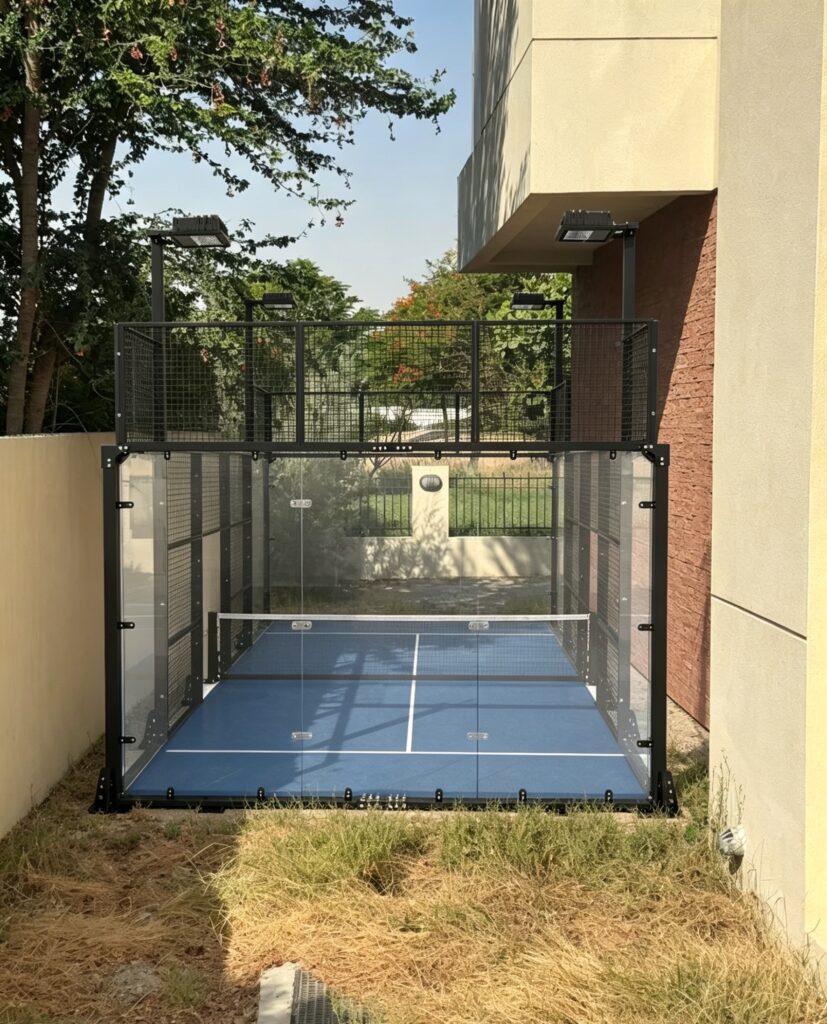
ปัจจัยใดที่มีผลต่อราคาท่อเหล็กสำหรับสนามปาดิล?
ราคาท่อเหล็กได้รับอิทธิพลจากอัตราตลาดสินค้าโภคภัณฑ์และปัจจัยการผลิต 5 ประการ ซึ่งผู้ซื้อควรตรวจสอบให้ชัดเจนก่อนลงนามในสัญญาซื้อขาย.
การเปรียบเทียบประเภทท่อเหล็ก
| ประเภทท่อ | วิธีการผลิต | ราคา (USD/ตัน) | ตัวอย่างการใช้งานในสนามปาดิล | ความแข็งแรง |
|---|---|---|---|---|
| เชื่อมแบบ ERW | การเชื่อมด้วยแรงต้านไฟฟ้า | $700–$900 | กรอบมาตรฐาน, เสา, กรอบตาข่าย | ดี |
| ไร้รอยต่อ | รีดร้อน, บีบอัด | $1,400–$2,200 | ใช้ไม่ค่อยบ่อย — มากเกินไปสำหรับกีฬาปาดิล | ยอดเยี่ยม |
| เชื่อมแบบเกลียว | รอยต่อแบบเกลียว | $650–$850 | เฉพาะเสาที่มีเส้นผ่านศูนย์กลางใหญ่เท่านั้น | ระดับปานกลาง |
| ท่อ ERW ที่ชุบสังกะสีแบบจุ่มร้อน | ERW + สารละลายสังกะสี | $800–$1,000 | มาตรฐานอุตสาหกรรมสำหรับกีฬาแพเดล | ดี + ทนต่อการกัดกร่อน |
| ท่อ ERW ที่ชุบสังกะสีล่วงหน้า | ขดลวด Galv. + การเชื่อม | $750–$900 | ใช้ในร่มเท่านั้น — รอยเชื่อมเกิดสนิม | ระดับปานกลาง |
- แบบท่อ — แบบเชื่อม แบบไม่มีรอยต่อ หรือแบบเชื่อมแบบเกลียว มีค่าใช้จ่ายที่แตกต่างกันอย่างมีนัยสำคัญ
- เส้นผ่านศูนย์กลางและความหนาของผนัง — ผนังเดียวกัน แต่เส้นผ่านศูนย์กลางภายนอก (OD) ใหญ่กว่า = ต้นทุนต่อเมตรสูงขึ้น
- วิธีการชุบสังกะสี — การชุบสังกะสีแบบจุ่มร้อนทำให้ราคาเพิ่มขึ้น USD $70–$140 ต่อตัน เมื่อเทียบกับเหล็กดำ
- ปริมาณการสั่งซื้อ — การสั่งซื้อจำนวนมากจะได้รับส่วนลด 5–15%; การซื้อตามปริมาณจริงจะคิดราคาขายปลีก
- ความหนาของชั้นเคลือบสังกะสี — วัดด้วย μm; มีผลต่อราคาและอายุการใช้งาน
💡 ข้อคิดเห็นเชิงปฏิบัติ: ควรขอใบรับรองจากโรงงาน (ใบรับรองวัสดุ) ที่แสดงองค์ประกอบทางเคมีจริงและความหนาของชั้นเคลือบสังกะสีเป็นไมครอนเสมอ โรงงานที่ไม่สามารถออกใบรับรองนี้ได้ อาจเป็นบริษัทค้ากลาง หรือกำลังใช้สินค้าที่ยังไม่ได้รับการรับรอง — ทั้งสองกรณีนี้ล้วนเป็นสัญญาณเตือน คู่มือขอเสนอราคาจากผู้จัดหา รวมถึงเอกสารที่จำเป็นสำหรับการขอใบเสนอราคา.
ผู้ซื้อสามารถตรวจสอบได้อย่างไรว่าความหนาของท่อเหล็กตรงตามข้อกำหนด?
ผู้ซื้อมืออาชีพใช้คาลิเปอร์ดิจิทัลที่ได้รับการปรับเทียบหรือเครื่องวัดความหนาแบบอัลตราโซนิก เพื่อวัดท่อที่ส่งมอบให้สอดคล้องกับข้อกำหนดในสัญญา.
จุดอ้างอิงสำคัญ: ความหนาของผนัง 3 มม. ในสัญญาสนามปาดิล หมายถึง ท่อดิบก่อนการเชื่อม การพ่นทราย และการเคลือบผง. ความหนาหลังการรักษาอาจมีความแตกต่างเล็กน้อย.
วิธีการตรวจสอบเหล็กและค่าใช้จ่าย
| วิธีการ | สิ่งที่มันวัด | ค่าใช้จ่าย | เมื่อใดควรใช้ |
|---|---|---|---|
| คาลิเปอร์ดิจิทัล | ความหนาของผนัง, เส้นผ่านศูนย์กลางภายนอก | เครื่องมือ $20–$50 | การตรวจสอบแบบสุ่ม ณ สถานที่ |
| เครื่องวัดความหนาด้วยคลื่นอัลตราโซนิก | ความหนาของผนังโดยไม่ตัด | เครื่องมือ $150–$400 | การตรวจสอบคุณภาพที่โรงงาน |
| เครื่องวัดความหนาของชั้นเคลือบด้วยแม่เหล็ก | ความหนาของชั้นสังกะสี (μm) | เครื่องมือ $80–$200 | ตรวจสอบความลึกของการชุบสังกะสีแบบจุ่มร้อน |
| การตรวจสอบโดย SGS / BV | ใบรับรองจากโรงงานครบถ้วน + ขนาด | $300–$800 ต่อการตรวจสอบ | คำสั่ง > $50K |
| การตรวจสอบใบรับรองโรงสี | เคมี + ความทนทานต่อแรงดึง | ฟรี (ตามคำขอจากผู้จัดหา) | ทุกคำสั่งซื้อ |
- ความหนาของผนังที่วัดจากหลายจุดตามความยาวของท่อแต่ละท่อ
- ความหนาของชั้นเคลือบสังกะสี (สำหรับวิธีการจุ่มร้อนควรอยู่ที่ 60–85 μm)
- ความสม่ำเสมอของรอยต่อบนท่อที่เชื่อม
- การระบุหมายเลขเครื่องและระบบติดตามย้อนกลับของล็อต
- รายงานผลการทดสอบจาก SGS หรือ BV ของฝ่ายที่สาม สำหรับคำสั่งซื้อที่มีมูลค่าสูง
💡 ข้อมูลเชิงลึกจากโลกจริง: ขอให้ส่งเอกสารรูปภาพหรือวิดีโอเกี่ยวกับการตรวจสอบวัตถุดิบที่เข้ามา ก่อนเริ่มการผลิต ผู้ผลิตสนามปาดเดลที่มีชื่อเสียงจะยินดีรับคำขอนี้ — เพราะวิธีนี้ช่วยกรองบริษัทค้ากลางที่แสร้งทำเป็นโรงงานออกไปได้.
สนามปาดเดลใช้กระจกเทมเปอร์จำนวนเท่าใด?
สนามปาดเดลแบบพาโนรามาตามมาตรฐานจำเป็นต้องมี กระจกเทมเปอร์ความหนา 12 มม. ประมาณ 140 ม², กระจายอยู่ตามผนังด้านหลังและแผงด้านข้าง.
แก้วเป็นประเภทวัสดุที่มีความเสี่ยงสูงที่สุด — ทั้งในด้านการรับผิดชอบด้านความปลอดภัยและการควบคุมงบประมาณระหว่างการติดตั้งสนามปาดิล.
ปัจจัยที่ส่งผลต่อราคาแก้วเทมเปอร์ (ต่อตารางเมตร)
| ปัจจัย | ตัวเลือกสเปค | ผลกระทบต่อราคา (USD/m²) | ผลกระทบต่อความปลอดภัย |
|---|---|---|---|
| ความหนา | 10 มม. vs 12 มม. | +$5–$8 สำหรับ 12 มม. | 12 มม. = มาตรฐาน FIP |
| การทดสอบการแช่ในอุณหภูมิสูง (HST) | ใช้ HST กับไม่ใช้ HST | +$2–$4 พร้อม HST | HST ลดการระเบิดตัวเองลง 30 เท่า |
| การตกแต่งขอบ | แบบไม่ขัดเงา vs แบบขัดเงา | +$1–$2 ขัดเงา | ขัดเงา = ปลอดภัยกว่า, อายุการใช้งานยาวนานขึ้น |
| การรักษาบริเวณมุม | มุมเหลี่ยมกับมุมเอียง 6 มม. | +$0.50 มุมตัด | การตัดมุมช่วยป้องกันการแตก |
| การเจาะรู | ต่อหลุม (แบบติดตั้งด้วยแคลมป์) | +$1–$2 ต่อหลุม | จำเป็นสำหรับระบบยึด |
| การเคลือบสี / การพิมพ์ | โลโก้ตามสั่งบนแก้ว | +$8–$15 ต่อ m² | เฉพาะการสร้างแบรนด์เท่านั้น |
| การรับรองจากฝ่ายที่สาม | รายงาน SGS / BV | +$1–$2 ต่อตารางเมตร (ค่าเฉลี่ย) | เป็นข้อกำหนดสำหรับการแข่งขัน |
| ที่มา | ผู้ผลิตจากจีน vs ผู้ผลิตจากสหภาพยุโรป | สหภาพยุโรปเพิ่ม $15–$25 ต่อตารางเมตร | คุณภาพขึ้นอยู่กับโรงงาน ไม่ใช่ประเทศ |
- ความหนา: 10 มม. หรือ 12 มม. (12 มม. เป็นมาตรฐานที่ FIP แนะนำ)
- การรักษา: ผ่านการทดสอบ EN 12150-1 (การอบชุบ) + EN 12150-2 (การอบร้อน)
- การตกแต่งขอบ: ถูกขัดและขัดเงาแล้ว ไม่มีรอยบิ่น
- รัศมีมุม: มุมตัดอย่างน้อย 6 มม.
- ใบรับรอง: รายงาน SGS หรือ 3C จากห้องปฏิบัติการที่ได้รับการรับรอง
💡 ข้อคิดเห็นเชิงปฏิบัติ: การทดสอบ Heat-soak (HST) ช่วยลดอัตราการระเบิดเองโดยธรรมชาติจากประมาณ 3 ครั้งต่อ 1,000 แผงลงเหลือต่ำกว่า 0.1 ครั้งต่อ 1,000 แผง โรงงานที่ข้ามขั้นตอน HST จะประหยัดได้ USD $2–$4 ต่อ m² — แต่จะโอนความเสี่ยงด้านความรับผิดชอบมาให้คุณ ดังนั้น ควรขอเอกสารยืนยันการผ่านการทดสอบ HST เป็นลายลักษณ์อักษรเสมอ.
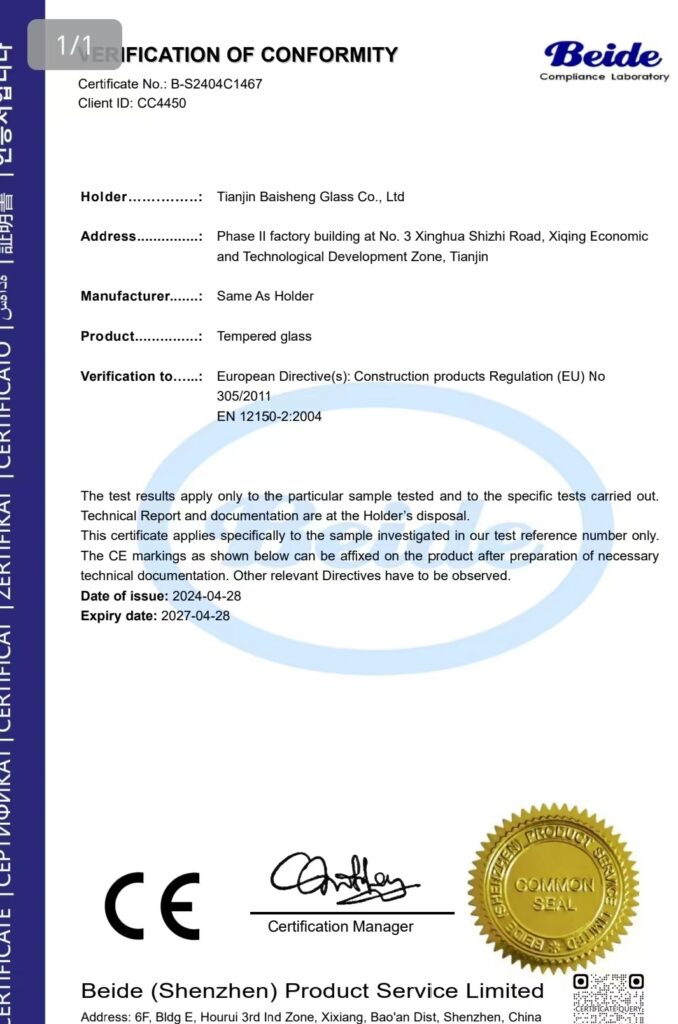
ข้อมูลเชิงลึกจากผู้เชี่ยวชาญด้านภาพพาโนรามา :
Aควรเลือกใช้กระจกเทมเปอร์ที่ได้รับการรับรองเสมอ กระจกสำหรับสนามปาดเดลมีความเสี่ยงที่จะแตกเองโดยธรรมชาติ และความผิดพลาดเพียงครั้งเดียวไม่ได้เป็นเพียงค่าใช้จ่ายด้านวัสดุเท่านั้น — แต่ยังส่งผลให้เกิดความล่าช้าของโครงการ การไม่ส่งมอบตามกำหนดเวลา ความเสี่ยงด้านความรับผิดชอบ และความเสียหายที่ยั่งยืนต่อชื่อเสียงทางธุรกิจของคุณ การประหยัดค่าใช้จ่ายจากกระจกที่ไม่ได้รับการรับรองวัดเป็นดอลลาร์ต่อตารางเมตร ส่วนความสูญเสียจากกระจกแตกเพียงแผ่นเดียววัดเป็นสัปดาห์ของความล่าช้าและการสูญเสียความเชื่อมั่นจากลูกค้า.
สนามปาดิลต้องการรั้วตาข่ายจำนวนเท่าใด?
สนามปาดเดลมาตรฐานใช้ รั้วตาข่ายแบบเชื่อมหรือแบบทอ ประมาณ 50 m², ติดตั้งบนกรอบเหล็กที่เคลือบด้วย PVC.
รั้วตาข่ายล้อมรอบส่วนบนของผนังสนามที่ยังไม่ได้ติดตั้งกระจก — โดยทั่วไปคือมุมและส่วนหลังด้านบน.
การเปรียบเทียบประเภทรั้วตาข่าย
| ประเภทตาข่าย | เส้นผ่านศูนย์กลางของสาย | การเคลือบ | ราคา (USD/ม²) | เหมาะที่สุดสำหรับ | อายุการใช้งาน |
|---|---|---|---|---|---|
| สายเหล็กเชื่อม (เคลือบ PVC) | 4 มม. | เฉพาะ PVC เท่านั้น | $5.50–$7 | สภาพอากาศในอาคาร / สภาพอากาศที่อบอุ่น | 8–10 ปี |
| ลวดเชื่อม (สองชั้น) | 4 มม. | Galv. + PVC | $8–$11 | สภาพอากาศชายฝั่ง / ชื้น | มากกว่า 15 ปี |
| ตาข่ายถัก (PVC) | 3 มิลลิเมตร | เฉพาะ PVC เท่านั้น | $3.50–$5 | เฉพาะการประกอบเครื่องตามงบประมาณเท่านั้น | 5–7 ปี |
| แผงเหล็กเชื่อม (เคลือบผง) | 4 มม. | ผงโพลีเอสเตอร์ | $7–$9 | ความงามระดับพรีเมียม | 10–12 ปี |
| การเชื่อมที่สอดคล้องกับมาตรฐาน FIP | 4 มม. | เคลือบสองชั้นด้วย Galv. + PVC | $9–$12 | สนามเทนนิสระดับการแข่งขัน | มากกว่า 15 ปี |
- เส้นผ่านศูนย์กลางของสาย: 4 มม. เคลือบล่วงหน้า
- รูรับแสง: 50 มม. × 50 มม. (ตามมาตรฐาน FIP)
- ชั้นเคลือบ: ผง PVC หรือผงโพลีเอสเตอร์, ทนต่อรังสี UV
- กรอบ: เหล็กชุบสังกะสี, มุมเชื่อม
- ข้อกำหนดเกี่ยวกับแรงตึง: ต้องทนต่อแรงกระแทกของลูกบอลโดยไม่เกิดการเปลี่ยนรูปถาวร
💡 ข้อคิดเห็นเชิงปฏิบัติ: ตาข่ายราคาถูกจะเกิดการออกซิเดชันภายใน 18–24 เดือน ในสภาพอากาศชายฝั่งหรือที่มีความชื้นสูง สำหรับโครงการในตะวันออกกลาง เอเชียตะวันออกเฉียงใต้ หรือชายฝั่งยุโรป ให้ระบุใช้ลวดเคลือบสองชั้น (ชุบสังกะสี + PVC) — ผลิตภัณฑ์ระดับพรีเมียม $2/m² จะช่วยป้องกันการต้องเปลี่ยนตาข่ายทั้งชุดหลังจากปีที่สาม.
เท่าไร หญ้าเทียม สนามปาดเดลต้องมีอะไรบ้าง?
สนามปาดเดลหนึ่งสนามต้องการ หญ้าเทียมพื้นที่ 210 m² เพื่อปกคลุมพื้นสนาม รวมถึงพื้นที่ระบายน้ำ.
คุณภาพของสนามหญ้ามีผลกระทบโดยตรงต่อพฤติกรรมของลูกบอล ประสบการณ์ของผู้เล่น และสถานะการรับรองการแข่งขันของสนามตามกฎของ FIP.
การเปรียบเทียบคุณภาพของหญ้าเทียม
| เกรด | ความสูงของกอง | ความหนาแน่น (จำนวนจุดต่อตารางเมตร) | ราคา (USD/ม²) | การรับรอง | กรณีการใช้งาน |
|---|---|---|---|---|---|
| เพื่อความบันเทิง | 10 มม. | 30,000–36,000 | $3.00–$3.80 | ไม่มี | เกมงบประมาณต่ำ / เกมเล่นแบบสบายๆ |
| มาตรฐานคลับ | 12 มม. | 40,000–44,000 | $4.00–$5.00 | ISO แบบทั่วไป | สโมสรเชิงพาณิชย์ |
| ได้รับการรับรองจาก FIP | 12 มม. | 44,000–48,000 | $5.50–$7.00 | FIP | การแข่งขันแบบมาตรฐาน |
| FIP Pro / ระดับ WPT | 12–15 มม. | 48,000+ | $7.50–$10.00 | FIP Pro | สถานที่จัดการแข่งขัน Pro Tour |
| ยุโรปพรีเมียม (Mondo, Dom Sport) | 12 มม. | 48,000+ | $ 12.00–$ 18.00 | FIP Pro | การแข่งขันระดับเอลิท |
- ความสูงของกอง: 12 มม. หรือ 15 มม. (ตามมาตรฐาน FIP)
- วัสดุ: 100% โพลีเอทิลีนแบบเส้นเดี่ยว
- ความหนาแน่น: 40,000–48,000 จุดต่อตารางเมตร
- ตัวเลือกสี: สีทราย, สีฟ้า, สีเขียว, สีแดง, สีเทราคอตตา
- การเติมทราย: 18–22 กก./ม² ของทรายซิลิกาแบบกลม
💡 ข้อคิดเห็นเชิงปฏิบัติ: สนามระดับการแข่งขันจำเป็นต้องใช้หญ้าเทียมที่ได้รับการรับรองจาก FIP ส่วนหญ้าเทียมที่ไม่ได้รับการรับรองสามารถใช้ได้สำหรับโครงการเชิงพาณิชย์หรือเพื่อความบันเทิง และช่วยประหยัดค่าใช้จ่ายได้ $1.50–$2.50 USD/m² ก่อนเสนอราคา ให้ตรวจสอบกับลูกค้าปลายทางว่าพวกเขาต้องการระดับการรับรองใด.
ค่าใช้จ่ายในการผลิตอื่น ๆ ที่ประกอบเป็นราคา FOB ของสนามปาดิลมีอะไรบ้าง?
นอกจากวัตถุดิบแล้ว โรงงานยังเพิ่มค่าใช้จ่ายในส่วนการรักษาพื้นผิว อุปกรณ์ฮาร์ดแวร์ การบรรจุภัณฑ์ ค่าแรง และค่าใช้จ่ายทั่วไป — ซึ่งโดยทั่วไปคิดเป็น 25–35% ของค่าใช้จ่ายรวม FOB สำหรับสนามปาดเดล.
การแบ่งส่วนประกอบของต้นทุนการผลิต
| ส่วนประกอบของค่าใช้จ่าย | ช่วงราคา USD / ศาล | % ของราคา FOB รวม | เนื้อหาที่ครอบคลุม |
|---|---|---|---|
| วัตถุดิบ (เหล็ก, แก้ว, ตะแกรง, หญ้าเทียม) | $5,500–$8,500 | 65–75% | รายการในใบรายการวัสดุ (BOM) |
| การพ่นทราย + การเคลือบผง | $200–$350 | 3–4% | การเตรียมพื้นผิว + การตกแต่งผิว |
| ชุดอุปกรณ์ฮาร์ดแวร์ | $120–$200 | 1.5–2% | สกรู, คลิป, ขายึด, ปะเก็น |
| บรรจุภัณฑ์ (ลังไม้ + สายรัด) | $180–$280 | 2–3% | กล่องแก้ว, ไม้ตามมาตรฐาน ISPM-15, ตัวป้องกันมุม |
| แรงงาน + การตรวจสอบคุณภาพก่อนการประกอบ | $100–$200 | 1.5–2.5% | การประกอบแบบทดสอบ การทำเครื่องหมาย เอกสารรูปภาพ |
| ค่าใช้จ่ายทั่วไปของโรงงาน | $300–$500 | 4–6% | ค่าใช้จ่ายสาธารณูปโภค, ค่าเสื่อมราคา, ค่าใช้จ่ายบริหาร |
| มาร์จิน | $600–$1,200 | 8–15% | กำไรจากโรงงาน |
| FOB รวม (แบบพาโนรามา) | $6,000–$10,000 | 100% | — |
💡 ข้อคิดเห็นเชิงปฏิบัติ: ขอใบเสนอราคาที่ระบุรายละเอียดแต่ละรายการ ไม่ใช่เพียงยอดรวมเท่านั้น โรงงานที่ไม่ยอมแจกแจงต้นทุน อาจกำลังซ่อนอัตรากำไร หรือไม่ทราบรายการวัสดุ (BOM) ของตัวเอง — ทั้งสองกรณีนี้ล้วนเป็นสัญญาณเตือนสำหรับผู้ซื้อ B2B ที่จริงจัง.
จีน vs สเปน: การเปรียบเทียบวัตถุดิบสำหรับสนามปาดเดล
สเปนเป็นประเทศต้นกำเนิดของกีฬาแพเดล และผลิตสนามแพเดลที่มีคุณภาพการออกแบบและวิศวกรรมดีที่สุดในโลก ส่วนจีนมีความได้เปรียบในด้านต้นทุนวัตถุดิบ ขนาดการผลิต และระบบโลจิสติกส์การส่งออก แต่ละประเทศมีจุดแข็งและจุดอ่อนที่ชัดเจนในด้านโครงสร้าง.
ด้านล่างนี้คือการเปรียบเทียบวัสดุและกระบวนการแบบตัวต่อตัว ซึ่งผู้ซื้อ B2B ทุกคนควรพิจารณาให้ละเอียดก่อนตัดสินใจเลือกภูมิภาคสำหรับการจัดหาสินค้า.
การเปรียบเทียบแหล่งจัดหาวัสดุระหว่างจีนและสเปน
| หมวดหมู่ | 🇨🇳 ข้อได้เปรียบของจีน | 🇪🇸 ข้อได้เปรียบของสเปน | ความแตกต่างของค่าใช้จ่าย (ต่อสนาม) | ผู้ชนะ |
|---|---|---|---|---|
| ท่อเหล็ก (Q235) | เหอเป่ย = ศูนย์กลางการผลิตเหล็ก #1 ของโลก; $700–$1,000/ตัน | โรงงานผลิตเหล็กในประเทศมีจำนวนจำกัด; นำเข้าเหล็กจากสหภาพยุโรป; $1,400–$1,800/ตัน | จีนประหยัดได้ $1,500–$2,000 | 🇨🇳 จีน |
| กระจกเทมเปอร์ (12 มม.) | ~65% ของกระจกเทมเปอร์ระดับโลกที่ผลิตในจีน | ค่า QC เฉลี่ยสูงขึ้น; ระยะเวลาการขนส่งในสหภาพยุโรปสั้นลง | จีนประหยัดได้ $1,000–$1,500 | 🇨🇳 จีน (ค่าใช้จ่าย) |
| มาตรฐาน Heat-soak (HST) | มีอยู่ แต่ไม่ใช่แบบทั่วไป — ต้องระบุให้ชัดเจน | วิธีปฏิบัติทั่วไปในโรงงานส่วนใหญ่ | สเปนมีความสม่ำเสมอมากขึ้น | 🇪🇸 สเปน (คุณภาพ) |
| หญ้าเทียม | ต้นทุนต่ำ; มีโรงงานหลายแห่งที่ได้รับการรับรองจาก FIP | แบรนด์ชั้นนำจากสหภาพยุโรป (Mondo, Dom Sport) | จีนประหยัดได้ $200–$400 | 🇨🇳 จีน (ราคาประหยัด) / 🇪🇸 สเปน (ราคาพรีเมียม) |
| รั้วตาข่าย | ต้นทุนสายไฟที่ต่ำลง; กระบวนการผลิตที่พัฒนาแล้ว | ข้อกำหนดด้านความต้านทานการกัดกร่อนของสหภาพยุโรปที่เข้มงวดยิ่งขึ้น | จีนประหยัด $100–$200 | 🇨🇳 จีน |
| การเคลือบผง (Qualicoat) | กำลังพัฒนา; มีโรงงานที่ได้รับใบอนุญาตจาก Qualicoat | การปฏิบัติตามมาตรฐาน Qualicoat ที่มีมาอย่างยาวนาน | ไม่สำคัญหากมีการกำหนดไว้ | 🤝 เสมอ |
| ค่าใช้จ่ายแรงงาน | ถูกกว่า 4–6 เท่า | ค่าใช้จ่ายสูงขึ้น แต่ระยะเวลาดำเนินการสั้นลง | จีนประหยัดได้ $500–$800 | 🇨🇳 จีน |
| การขนส่งทางทะเลไปยังสหภาพยุโรป | $1,200–$1,800 / 40HQ (~$300–$400 ต่อสนาม) | ไม่มี (ส่งในท้องถิ่น) | สเปนช่วยประหยัดค่าใช้จ่ายในการขนส่ง | 🇪🇸 สเปน (โลจิสติกส์) |
| ระยะเวลาดำเนินการ | 30 วันการผลิต + 30 วันการขนส่งทางทะเล | 15–20 วัน + การส่งสินค้าในท้องถิ่น | สเปนเร็วกว่ากว่า 30 วัน | 🇪🇸 สเปน (ความเร็ว) |
| ความสม่ำเสมอในการควบคุมคุณภาพ | ขึ้นอยู่กับโรงงานเป็นอย่างมาก | มีความสม่ำเสมอมากขึ้นระหว่างผู้จัดหา | — | 🇪🇸 สเปน (ความสม่ำเสมอ) |
| FOB ต่อสนาม (แบบพาโนรามา) | $6,000–$10,000 | $ 10,000–$ 16,000 | จีนประหยัดได้ $4,000–$6,000 | 🇨🇳 จีน |
💡 ข้อสรุปเชิงกลยุทธ์: สำหรับโครงการที่ให้ความสำคัญกับประสิทธิภาพด้านต้นทุนในขนาดใหญ่ (10+ สนาม) ผู้ผลิตสนามปาดิลจากจีนคือตัวเลือกที่ชัดเจนที่สุด สำหรับโครงการติดตั้งสนามแข่งขันระดับพรีเมียมที่ต้องการระยะเวลาเตรียมงานในท้องถิ่นและระบบควบคุมคุณภาพที่สม่ำเสมอโดยไม่ต้องผ่านกระบวนการตรวจสอบอย่างละเอียด ผู้ผลิตจากสเปนหรือประเทศอื่นในสหภาพยุโรปอาจทำให้ค่าพรีเมียม 40–60% นั้นคุ้มค่า คำตอบที่ถูกต้องขึ้นอยู่กับประเภทโครงการ — ไม่ใช่เรื่องชาตินิยม สำหรับการวิเคราะห์ที่ลึกซึ้งยิ่งขึ้น โปรดดู การเปรียบเทียบผู้ผลิตระหว่างจีน สเปน และยุโรป ปี 2026.
ทำไมจึงควรเลือกโรงงานผลิตสนามปาดิลในจีนแทนผู้จัดจำหน่ายจากยุโรป?
โรงงานผลิตสนามปาดเดลในจีน — โดยเฉพาะในจังหวัดเหอเป่ย — ผสานฐานการจัดหาเหล็กที่ใหญ่ที่สุดในโลกกับโครงสร้างพื้นฐานการส่งออกที่พัฒนาแล้ว ทำให้ประหยัดค่าใช้จ่ายได้ 30–50% เมื่อเทียบกับผู้ผลิตสนามปาดเดลในยุโรป.
- ต้นทุนวัตถุดิบเหล็ก — ราคาถูกกว่าโรงงานในสหภาพยุโรป $300–$800 ดอลลาร์สหรัฐต่อตัน
- ขนาดการผลิตแก้ว — จีนผลิตแก้วเทมเปอร์ประมาณ ~65% ของโลก
- ความแตกต่างของค่าแรง — ต่ำกว่า 4–6 เท่า เมื่อเทียบกับสเปนหรืออิตาลี
- ประสิทธิภาพการบรรทุกตู้คอนเทนเนอร์ — โดยทั่วไปมีสนามแบบพาโนรามา 4–5 สนามต่อ 40HQ
- เอกสารส่งออก — ระบบที่พัฒนาแล้วสำหรับสหภาพยุโรป ตะวันออกกลาง และอเมริกาเหนือ
💡 ข้อคิดเห็นเชิงปฏิบัติ: ความแตกต่างด้านราคานั้นมีอยู่จริง แต่การเลือกผู้จัดหาสำคัญกว่าประเทศต้นทาง ศาลจีนที่ผลิตอย่างไม่มาตรฐานมีค่าใช้จ่ายในการขนส่งเท่ากับศาลที่ผลิตอย่างดี — และกระจกเปลี่ยนใหม่ต้องใช้เวลาส่งทางทะเลมากกว่า 60 วัน ให้เลือกโรงงานที่มีประสบการณ์การส่งออกที่ได้รับการยืนยันไปยังตลาดของคุณโดยเฉพาะ ดูรายชื่อผู้จัดหาที่ผ่านการตรวจสอบของเรา ผู้ผลิตสนามปาดิลที่ดีที่สุดในจีน.
การติดตั้งสนามปาดเดลมีผลกระทบต่อค่าใช้จ่ายรวมของโครงการอย่างไร?
ค่าใช้จ่ายในการติดตั้งสนามปาดเดลโดยทั่วไปจะเพิ่มขึ้น $3,000–$6,000 USD ต่อสนาม นอกจากราคาโรงงาน FOB แล้ว ยังขึ้นอยู่กับสภาพสถานที่และอัตราค่าแรงท้องถิ่น.
สำหรับผู้จัดจำหน่ายและผู้รับจ้างในภาค B2B การติดตั้งถือเป็นปัจจัยที่มีผลต่อราคาโครงการรวมค่าใช้จ่ายนำเข้ามากที่สุด ดูข้อมูลครบถ้วนของเรา คู่มือการก่อสร้างสนามปาดเดล เพื่อวางแผนการก่อสร้างตามแต่ละขั้นตอน.
ค่าใช้จ่ายในการติดตั้งตามภูมิภาค (ต่อสนาม)
| ภูมิภาค | มูลนิธิ | แรงงาน | ระบบแสงสว่าง + ระบบไฟฟ้า | PM + การเดินทาง | ยอดรวมการติดตั้ง (USD) |
|---|---|---|---|---|---|
| สหรัฐอเมริกา | $ 2,500–$ 4,000 | $1,500–$3,000 | $600–$1,200 | $800–$2,000 | $5,400–$10,200 |
| ยุโรปตะวันตก | $2,200–$3,800 | $1,200–$2,500 | $500–$1,000 | $700–$1,800 | $4,600–$9,100 |
| ตะวันออกกลาง (GCC) | $1,500–$2,800 | $700–$1,500 | $400–$800 | $600–$1,500 | $3,200–$6,600 |
| เอเชียตะวันออกเฉียงใต้ | $ 1,000–$ 2,000 | $400–$900 | $300–$600 | $500–$1,200 | $ 2,200–$ 4,700 |
| อเมริกาละติน | $1,200–$2,500 | $500–$1,100 | $350–$700 | $600–$1,400 | $ 2,650–$ 5,700 |
💡 ข้อคิดเห็นเชิงปฏิบัติ: โรงงานบางแห่งในจีนให้บริการกำกับดูแลการติดตั้งในต่างประเทศ (ส่งวิศวกรไปทำงานที่สถานที่ติดตั้ง) ด้วยค่าบริการ $150–$250 USD ต่อวัน บวกค่าตั๋วเครื่องบิน สำหรับผู้นำเข้าครั้งแรก ค่าใช้จ่ายนี้ถือว่าคุ้มค่า — เพราะข้อผิดพลาดในการติดตั้งอาจทำให้แผ่นกระจกแตกและทำให้การรับประกันเป็นโมฆะ.
ความเห็นของผู้เชี่ยวชาญ: วิธีประเมินผู้ผลิตสนามปาดิลในปี 2026
หลังจากผลิตสนามปาดเดลมาได้ 5 ปี เพื่อส่งออกไปยังตลาดในยุโรป ตะวันออกกลาง และทวีปอเมริกา มี 3 ลักษณะที่ช่วยแยกผู้ผลิตที่น่าเชื่อถือออกจากผู้จัดหาที่มีปัญหาได้อย่างชัดเจน.
“ราคาเสนอ FOB ที่ถูกที่สุดนั้น มักจะเป็นค่าใช้จ่ายรวมเมื่อสินค้าถึงปลายทางที่แพงที่สุดเสมอ เราเห็นผู้ซื้อ B2B ขาดทุน USD $15,000–$30,000 จากค่าใช้จ่ายในการเปลี่ยนกระจก การปรับปรุงการติดตั้ง และความล่าช้าของโครงการ — ทั้งหมดนี้เพื่อประหยัด USD $2,000 ต่อสนามในขั้นตอนการเสนอราคา โรงงานที่ประสบความสำเร็จในระยะยาวไม่ใช่โรงงานที่มีราคาถูกที่สุด แต่เป็นโรงงานที่ส่งกระจกสำรอง 4% โดยไม่ต้องถูกขอ, ตอบคำถามเกี่ยวกับแบบวาดทางเทคนิคในภาษาอังกฤษภายใน 24 ชั่วโมง และระบุค่าปรับการส่งสินค้าในสัญญา”
— ทีมวิศวกรรม PanoCourt, โรงงานเหอเป่ย
สามตัวกรองที่เราแนะนำให้ผู้ซื้อทุกคนนำไปใช้
| ตัวกรอง | ควรเรียกร้องอะไร | สัญญาณเตือนหากขาดหายไป |
|---|---|---|
| 1. ความโปร่งใสของวัสดุ | รายการ BOM แบบละเอียด, ใบรับรองจากโรงงาน, รายงาน HST | แสดงเฉพาะราคา + ราคาทั้งหมด |
| 2. ประวัติการส่งออก | มีโครงการที่เสร็จสิ้นแล้วอย่างน้อย 3 โครงการในภูมิภาคของคุณ พร้อมด้วยข้อมูลผู้อ้างอิงที่สามารถติดต่อได้ | “เรามีลูกค้าจำนวนมาก” โดยไม่ระบุรายละเอียด |
| 3. ระเบียบวินัยในการสื่อสาร | บริการสนับสนุนทางเทคนิค 24 ชั่วโมงด้วยภาษาอังกฤษ; แบบวาด CAD; วิดีโอการติดตั้ง | กรอบเวลาที่ไม่ชัดเจนและคำถามที่ยังไม่ได้รับคำตอบ |
💡 ความคิดเห็นจากผู้ก่อตั้ง PanoCourt: หากผู้จัดหาของคุณไม่สามารถบอกคุณได้อย่างแน่ชัดว่ามีสนามเทนนิสแบบพาโนรามาจำนวนเท่าใดที่สามารถบรรจุลงในตู้คอนเทนเนอร์ 40HQ ได้ — หรือไม่ยอมแสดงภาพจริงของตู้คอนเทนเนอร์ที่บรรทุกสินค้าแล้ว — นั่นหมายความว่าพวกเขายังไม่เคยส่งออกในปริมาณมาก คำถามเพียงข้อนี้สามารถแยกแยะโรงงานจริงออกจากบริษัทการค้าได้อย่างน่าเชื่อถือมากกว่าใบรับรองใดๆ.
สรุป: การเลือกผู้ผลิตสนามปาดเดลที่เหมาะสมในปี 2026
ราคาของผู้ผลิตสนามปาดเดลในปี 2026 จะมีความโปร่งใส หากคุณเข้าใจรายการวัสดุ (BOM) วัตถุดิบคิดเป็น 65–75% ของต้นทุน ส่วนที่เหลือคือค่าใช้จ่ายในการผลิต การบรรจุหีบห่อ และกำไร.
ราคาเสนอที่ถูกที่สุดมักไม่ใช่ข้อเสนอที่ดีที่สุด — กระจกที่ผ่านการอบความร้อน เหล็กชุบสังกะสีแบบจุ่มร้อน และประสบการณ์การส่งออกที่ได้รับการยืนยัน มีความสำคัญมากกว่าราคา FOB ที่ระบุไว้.
สำหรับผู้ซื้อในภาค B2B ที่กำลังประเมินโรงงานในจีน การเลือก ผู้ผลิตสนามแพดเดิล รวมคุณภาพวัสดุ ใบรับรองที่ได้รับการยืนยัน ความประสิทธิภาพในการจัดส่งแบบคอนเทนเนอร์ และบริการหลังการขาย.
PanoCourt สร้าง พาโนรามา, ภาพพาโนรามาแบบเต็ม, และ สนามปาดเดิลแบบคลาสสิก แบบที่สอดคล้องกับมาตรฐาน FIP และ EN จากโรงงานของเราในเหอเป่ย. ขอรับชุดใบเสนอราคาปี 2026 ของเรา เพื่อดูราคาตามรายการวัสดุ (BOM) ของทั้งเจ็ดรุ่นสนาม.
เกี่ยวกับ PanoCourt: ผู้ผลิตสนามปาดิลมาตลอด 10 ปี
PanoCourt ถูกพัฒนาขึ้นบนพื้นฐานของมากกว่า ประสบการณ์ 10 ปีในการผลิตสนามปาดิลอย่างเชี่ยวชาญ, โดยได้รับการสนับสนุนจากฐานการผลิตเหล็กชั้นนำระดับโลกของจังหวัดเหอเป่ย และห่วงโซ่การผลิตภายในบริษัทที่ครบวงจร.
ต่างจากบริษัทค้าส่งหรือผู้จัดหาที่ผลิตเฉพาะการประกอบเท่านั้น, เราควบคุมทุกขั้นตอนของกระบวนการผลิต: การจัดหาวัตถุดิบ, การตัดและเชื่อมเหล็ก, การชุบสังกะสีแบบจุ่มร้อน, การพ่นทราย, การเคลือบผง, การตรวจสอบกระจกเทมเปอร์, การผลิตตาข่าย, และการตรวจสอบคุณภาพขั้นสุดท้ายก่อนส่งสินค้า การบูรณาการในแนวตั้งนี้คือปัจจัยที่ทำให้เราสามารถรับประกันคุณสมบัติของวัสดุได้ถึงระดับไมครอนของความหนาชั้นเคลือบสังกะสี — และนำการประหยัดต้นทุนที่เกิดขึ้นมาส่งต่อให้ลูกค้า B2B ของเรา.
มาตรฐานวัตถุดิบของเราไม่สามารถเจรจาต่อรองได้. ทุกล็อตของท่อเหล็ก Q235 ล้วนได้รับการรับรองจากโรงงานผลิต ทุกแผ่นกระจกผ่านการทดสอบการอบความร้อนตามมาตรฐาน EN 12150-2 และทุกสนามที่ผลิตเสร็จแล้วต้องผ่านการตรวจสอบตามรายการตรวจสอบคุณภาพหลายขั้นตอนก่อนบรรจุลงกล่อง ข้อได้เปรียบในกระบวนการผลิตอยู่ที่โครงสร้าง: ด้วยที่ตั้งอยู่ในศูนย์การผลิตเหล็กที่ใหญ่ที่สุดในโลก เราจึงสามารถจัดหาท่อ Q235 ที่ชุบสังกะสีแบบจุ่มร้อนความหนา 3 มม. ในราคาที่คู่แข่งจากยุโรปไม่สามารถเทียบเคียงได้ — โดยไม่ลดทอนมาตรฐานการรับรองหรือความหนาของผนังท่อ.
PanoCourt ในตัวเลข:
- ✅ มากกว่า 10 ปี ด้วยประสบการณ์การผลิตสนามปาดิลที่เชี่ยวชาญ
- ✅ กว่า 500 โครงการ ส่งมอบสำเร็จทั่ว กว่า 30 ประเทศ
- ✅ เข้าถึงโรงงานโดยตรง ที่เหอเป่ย เพื่อรับราคาเหล็ก Q235 ที่ดีที่สุดในโลก
- ✅ มีผลิตภัณฑ์ใหม่เปิดตัวทุกเดือน — รุ่นสนามแบบพาโนรามา พาโนรามาเต็มรูปแบบ คลาสสิก และแบบพกพา ที่พัฒนาอย่างต่อเนื่อง
- ✅ ปรับแต่งได้อย่างเต็มที่ มีให้บริการ: การจับคู่สี RAL, การพิมพ์โลโก้บนกระจก, สีหญ้าเทียมตามสั่ง, สเปคระดับ FIP และการจัดวางแบบโมดูลาร์ สำหรับสโมสร โรงเรียน โรงแรม และสถานที่จัดการแข่งขัน
- ✅ การควบคุมการผลิตแบบครบวงจร — จากม้วนเหล็กดิบจนถึงตู้คอนเทนเนอร์ที่โหลดสินค้าตามเงื่อนไข FOB
ไม่ว่าคุณจะเป็นผู้รับจ้าง EPC ที่กำลังหาผู้จัดหาสำหรับการติดตั้งสนามหลายสนาม ผู้จัดจำหน่ายที่กำลังสร้างสต็อกสินค้าในภูมิภาค หรือนักลงทุนที่กำลังเปิดคลับปาดิลใหม่ ความเชี่ยวชาญด้านการผลิต ประวัติการส่งออกที่มั่นคง และความยืดหยุ่นในการปรับแต่งตามความต้องการของ PanoCourt จะช่วยคุณได้โดยตรง ระยะเวลาดำเนินการที่สั้นลง, ต้นทุนรวมที่ต่ำลง, และการส่งมอบโครงการที่คาดการณ์ได้.
คำถามที่มักถูกถาม
1. ฉันจะตรวจสอบคุณภาพและใบรับรองของกระจกจากผู้ผลิตสนามปาดเดลได้อย่างไร?
ขอให้ขอใบรับรอง EN 12150-1 (การอบอ่อน) และ EN 12150-2 (การอบร้อน) จากองค์กรตรวจสอบอิสระที่ได้รับการรับรอง — SGS, BV หรือ TÜV — ไม่ใช่ไฟล์ PDF ที่พิมพ์จากโรงงานเอง นอกจากนี้ ให้ตรวจสอบความหนาจริงด้วยคาลิเปอร์เมื่อสินค้าถึงที่; บางโรงงานระบุความหนา 12 มม. แต่ส่งสินค้ามาจริงเพียง 10 มม. หากผู้จัดหาให้เพียงภาพเรนเดอร์และปฏิเสธที่จะให้ใบรับรอง ให้เลิกทำธุรกิจกับผู้จัดหานั้น.
2. ความแตกต่างระหว่างเหล็กชุบสังกะสีแบบจุ่มร้อนและเหล็กที่เคลือบด้วยผงสีเพียงอย่างเดียวคืออะไร?
การชุบสังกะสีแบบจุ่มร้อนคือการนำเหล็กไปจุ่มในสังกะสีที่หลอมเหลว เพื่อสร้างชั้นป้องกันการกัดกร่อนหนา 60–85 ไมโครเมตร ซึ่งมีอายุการใช้งาน 15–25 ปี ส่วนเหล็กที่เคลือบด้วยผงสีเพียงอย่างเดียวจะเกิดสนิมภายใน 24 เดือน ในสภาพอากาศที่ชื้นหรือบริเวณชายฝั่ง สำหรับสนามปาดเดลกลางแจ้ง การชุบสังกะสีแบบจุ่มร้อนเป็นสิ่งที่ขาดไม่ได้ — ควรขอข้อมูลความหนาของสังกะสีเป็นไมครอนเสมอ.
3. ในตู้คอนเทนเนอร์ 40HQ สามารถบรรจุสนามปาดเดลได้กี่สนาม?
ตู้คอนเทนเนอร์ 40HQ ที่จัดเรียงสินค้าอย่างแน่นหนาโดยทั่วไปสามารถบรรจุได้ 4–5 สนามปาดเดลแบบพาโนรามา รวมถึงกระจก เหล็กตาข่าย หญ้าเทียม และอุปกรณ์ต่างๆ โรงงานที่ไม่สามารถให้ตัวเลขที่ชัดเจนได้นั้น น่าจะยังไม่เคยส่งออกสินค้ามาก่อน ตัวเลขนี้กำหนดโดยตรงถึงค่าขนส่งต่อสนาม — ควรสอบถามก่อนลงนามสัญญา.
4. อัตราการแตกของแก้วระหว่างการขนส่งโดยทั่วไปเป็นเท่าใด และใครเป็นผู้รับผิดชอบค่าใช้จ่าย?
อัตราความเสียหายเฉลี่ยในอุตสาหกรรมอยู่ที่ 2–5% ของแผงเมื่อบรรจุในกล่องอย่างถูกต้อง ผู้ผลิตสนามปาดเดลที่มีชื่อเสียงจะส่งแผงสำรอง 3–5% ให้ฟรี และเปลี่ยนแผงที่เสียหายเพิ่มเติมตามราคาต้นทุน ขอรับนโยบายเกี่ยวกับแผงสำรองเป็นลายลักษณ์อักษรก่อนยืนยันการสั่งซื้อ — การส่งกระจกทดแทนทางทะเลใช้เวลา 45–60 วัน.
5. เวลาส่งสินค้าของผู้ผลิตสนามปาดเดลมีความน่าเชื่อถือเพียงใด?
เวลาดำเนินการผลิตโดยทั่วไปคือ 25–40 วัน หลังจากชำระเงินแล้ว บวกกับเวลาขนส่งทางทะเล 25–35 วัน โรงงานที่น่าเชื่อถือจะยืนยันวันที่ส่งสินค้าเป็นลายลักษณ์อักษร พร้อมข้อกำหนดเกี่ยวกับค่าปรับในกรณีที่ล่าช้า คำตอบที่ไม่ชัดเจน เช่น “เร็วๆ นี้” หรือ “ประมาณ 30 วัน” อาจบ่งชี้ถึงการขาดประสบการณ์หรือกำลังการผลิตที่เกินความจำเป็น — ทั้งสองกรณีนี้จะส่งผลเสียต่อวันที่เปิดร้านอย่างเป็นทางการของคุณ.
6. ทำอย่างไรเพื่อแยกแยะระหว่างโรงงานผลิตสนามปาดเดลที่แท้จริงกับบริษัทค้าส่ง?
ขอให้จัดทัวร์โรงงานผ่านวิดีโอสด (ไม่ใช่คลิปที่ตัดต่อ) ตรวจสอบบันทึกการส่งออกผ่านบริษัทตัวแทนขนส่งของคุณ และขอรูปภาพโครงการที่เสร็จสมบูรณ์พร้อมข้อมูลติดต่อของลูกค้าที่สามารถตรวจสอบได้ — ไม่ใช่ภาพเรนเดอร์ โรงงานจริงจะตอบคำถามทางเทคนิคได้ทันทีเป็นภาษาอังกฤษ ส่วนบริษัทการค้าจะถ่วงเวลาและบอกว่า “ต้องตรวจสอบกับฝ่ายวิศวกรรมก่อน”
7. ฉันควรคาดหวังเงื่อนไขการรับประกันจากผู้ผลิตสนามปาดเดลอย่างไร?
คาดว่าจะ 10 ปีสำหรับโครงสร้างเหล็ก, รับประกัน 5 ปี สำหรับข้อบกพร่องในการผลิตของกระจก, และ 2–3 ปี สำหรับอุปกรณ์ฮาร์ดแวร์. การรับประกันต้องแบ่งตามชิ้นส่วน — “การรับประกัน” แบบรวมที่ไม่มีการแบ่งย่อยตามชิ้นส่วนจะไม่สามารถบังคับใช้ได้ นอกจากนี้ ให้ตรวจสอบความพร้อมของชิ้นส่วนสำรองเป็นระยะเวลา 10 ปีขึ้นไป; โรงงานขนาดเล็กมักปิดตัวลงภายใน 3–5 ปี.
8. ความแตกต่างระหว่างราคาสนามปาดเดลแบบพาโนรามาและสนามปาดเดลแบบคลาสสิกคืออะไร?
สนามแบบพาโนรามา (FOB USD $6,000–$10,000) ใช้โครงสร้างเหล็กน้อยที่สุดและกระจกมากที่สุดเพื่อเพิ่มทัศนวิสัย — ซึ่งเป็นที่นิยมของสโมสรและผู้ถ่ายทอดสด. สนามเทนนิสแบบคลาสสิก (FOB USD $8,000–$12,000) ใช้เหล็กและตาข่ายมากขึ้น ทำให้ต้นทุนวัตถุดิบสูงขึ้น แต่ช่วยให้การเปลี่ยนกระจกทำได้ง่ายขึ้น. ภาพพาโนรามาแบบเต็ม รุ่นเหล่านี้มีราคาอยู่ระหว่างสองรุ่นดังกล่าว.
9. ผมสามารถปรับแต่งสีและโลโก้ของสนามปาดเดลจากโรงงานผลิตสนามปาดเดลในจีนได้หรือไม่?
ใช่ — ผู้ผลิตส่วนใหญ่ให้บริการสีการเคลือบผงตามสั่ง (ตามตาราง RAL), สีหญ้าเทียมตามสั่ง และภาพพิมพ์บนกระจกหรือหญ้าเทียมเพื่อสร้างแบรนด์ สีตามสั่งจะเพิ่มค่าใช้จ่าย $200–$500 USD ต่อสนาม และเพิ่มเวลาผลิต 5–10 วัน โปรดส่งรหัส RAL และไฟล์ภาพแบรนด์ของคุณในขั้นตอนขอใบเสนอราคา เพื่อหลีกเลี่ยงการแก้ไขในภายหลัง.
10. ฉันควรประเมินคุณภาพการสื่อสารทางเทคนิคจากผู้จัดหาอย่างไร?
ผู้ผลิตสนามปาดเดิลมืออาชีพจะตอบกลับภายใน 24 ชั่วโมง ส่งแบบวาดทางเทคนิคที่ละเอียด (ไม่ใช่เพียงภาพเรนเดอร์) ให้วิดีโอการติดตั้งในภาษาอังกฤษ และสามารถพูดคุยเกี่ยวกับข้อกำหนดของ FIP ได้อย่างคล่องแคล่ว การสื่อสารทางเทคนิคที่ช้าหรือคลุมเครือนั้นเองก็เป็นสัญญาณบ่งชี้ถึงคุณภาพ — ปัญหาในการผลิตจะเกิดขึ้นตามรูปแบบเดียวกัน.